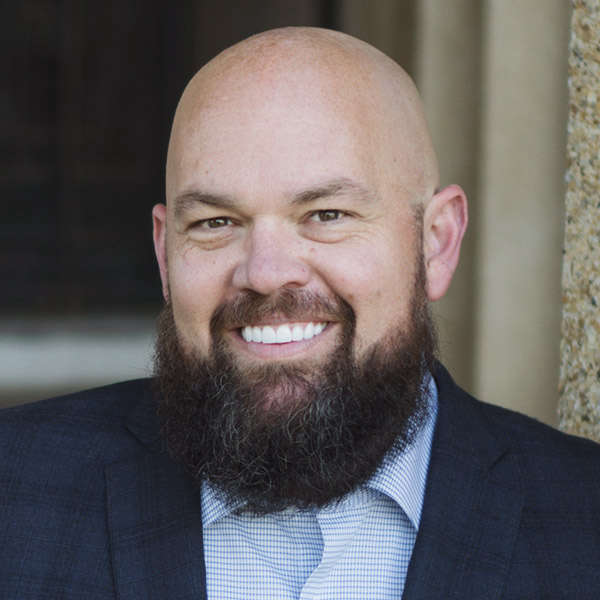

Consumer health giant Haleon is investing $87 million in a new Shanghai facility and expanding its oral care products to Chinese markets. This comes as many Western companies like Nike and Starbucks have pulled back from China due to weak sales.
While numerous Western companies retreat from the Chinese market due to disappointing sales, British consumer health company Haleon is taking the opposite approach by significantly expanding its presence in the world’s second-largest economy.
The maker of popular dental care products is investing 65 million pounds ($87 million) in a new oral health manufacturing facility in Shanghai, bucking the trend that has affected major brands from BMW to Nike, all of which reported declining Chinese sales in recent years.
Haleon’s confidence stems from strong performance of its Sensodyne toothpaste line, which has experienced mid-teens growth rates in China. The company’s CEO Brian McNamara plans to bring the Parodontax gum health brand to more than 30 Chinese cities by 2027’s end.
“For us, China’s an incredible market,” McNamara explained to Reuters, pointing to the substantial 860 million-pound gum health sector in the country.
The executive emphasized the market opportunity, stating: “Over 70% of consumers in China suffer from gum health issues. We have a product to address it. There’s a clear consumer need.”
China represents approximately 10% of Haleon’s 11-billion-pound global business and nearly 13% of the worldwide oral health market valued at $59 billion, which analysts project will reach $80 billion by 2031.
The company recently relaunched its Parodontax brand in China during late 2024, marking a second attempt after an unsuccessful launch five years earlier, according to Jayant Singh, Haleon’s global oral health division leader.
This time, the company has customized the product specifically for Chinese preferences, creating a sweeter and more aromatic flavor profile, enhanced foaming action during brushing, and more attractive packaging design. The reformulated product is now available in 10,000 retail locations across 19 cities.
“It’s these minor nuances that you need to put into your mix to really drive acceptance,” Singh explained.
Despite this progress, Haleon’s flagship Sensodyne brand reaches only about 11% of Chinese households, significantly trailing the domestic market leader Yunnan Baiyao, which Haleon estimates captures 29.8% market share.
The expansion contrasts sharply with other Western companies’ recent China strategies. Starbucks sold majority control of its Chinese operations to Boyu Capital in November following weak performance, while Nike is restructuring its China approach after multiple quarters of declining sales.
Demonstrating its commitment to the market, Haleon purchased the Chinese government’s stake in their local joint venture for approximately 700 million pounds last year.
McNamara accompanied British Prime Minister Keir Starmer on his January diplomatic visit to China, where he held productive discussions with senior regulatory officials.
“We’ve found the Chinese government very supportive of what we’re trying to do,” the CEO noted.
 Financial Firms Use Military Experts to Predict Iran Strike Risks
 Google Unveils ‘Platform 37’ London HQ, Honoring Historic AI Victory
 Moscow Court Sentences 19 in Deadly Concert Hall Terror Attack
 Historic Slave Ship Artifact Leaving Smithsonian Museum After Loan Expires