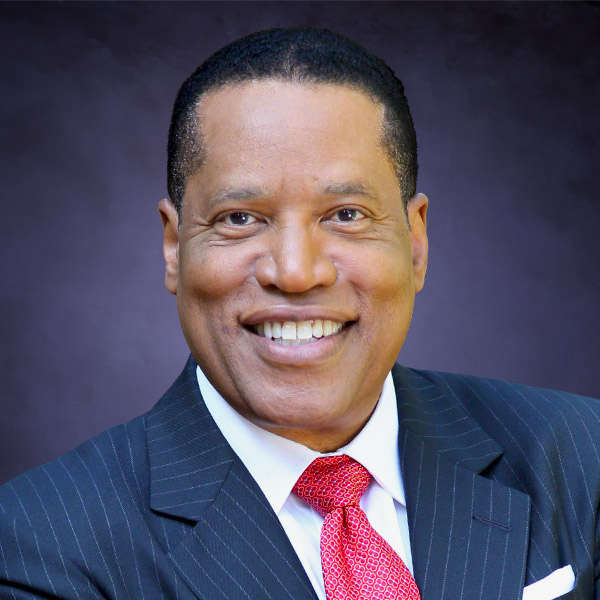

Colombian authorities have issued arrest warrants for seven members of the Segunda Marquetalia rebel group in connection with the assassination of conservative presidential candidate Miguel Uribe. The politician was fatally shot during a campaign rally in Bogota last June, marking the first assassination of a presidential candidate in Colombia in 30 years.
BOGOTA, Colombia — Seven members of the Segunda Marquetalia rebel organization now face arrest warrants in connection with the assassination of Miguel Uribe, a conservative politician seeking Colombia’s presidency who was fatally wounded during a campaign event in the capital last June.
Colombian Attorney General Luz Adriana Camargo announced Tuesday that investigators determined Uribe’s death was “the result of a structured criminal operation that involved an urban criminal gang that was hired” by Segunda Marquetalia to carry out the killing.
According to Camargo, the assassination plot was orchestrated by Kendry Téllez, a Segunda Marquetalia operative who previously served with the Revolutionary Armed Forces of Colombia, commonly called FARC, before that guerrilla organization signed a 2016 peace agreement with the government.
Authorities also charged Luciano Marín, better known as Iván Márquez, with conspiracy in the murder. Marín, a former FARC commander who rejected the peace process and established Segunda Marquetalia in 2018, was last seen publicly in 2024 during peace negotiations with President Gustavo Petro’s administration.
Those peace discussions ended in late 2024 after Segunda Marquetalia experienced internal divisions.
Colombian investigators had previously suggested the rebel organization’s involvement in Uribe’s death.
Officials announced a $1.3 million bounty for information leading to Marín’s arrest on Tuesday, along with smaller rewards for tips about the six other Segunda Marquetalia members facing murder charges.
The attack occurred on June 7, 2025, while Uribe addressed supporters at a Bogota park. A teenage gunman shot the candidate multiple times before attempting to escape, but Uribe’s security team apprehended the shooter immediately.
Uribe succumbed to his wounds two months following the shooting.
The assassination represented a significant setback for Petro’s crime reduction initiatives in Colombia, where narcotics traffickers and armed groups compete for territories left vacant after FARC’s departure under the 2016 peace accord.
Uribe’s murder, targeting a conservative politician who advocated for aggressive action against rebel factions, became Colombia’s first presidential candidate assassination in three decades.
Colombia’s presidential election is scheduled for May, with a potential runoff between the leading candidates set for June if no nominee secures a majority.
 Salisbury University Baseball Wins Thrilling 7-6 Walk-Off Against Gwynedd Mercy
 Delaware Women’s Golf Team Captures Second Tournament Victory of Season
 Blue Hens Baseball Falls to Rutgers in Midweek Contest
 Trump Claims Iran Negotiations Underway as Opposition Fears Regime Survival