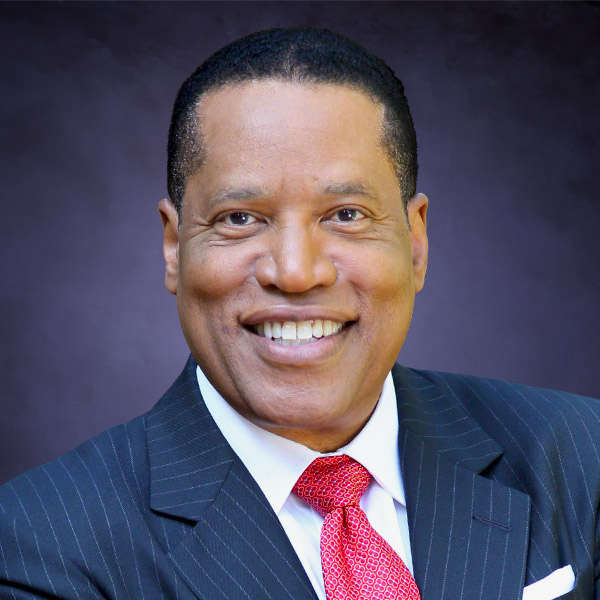

Dallas Federal Reserve President Lorie Logan expressed cautious optimism about declining inflation pressures but remains uncertain about future monetary policy moves. Speaking at Columbia University, she cited concerns about tariff impacts and strong economic demand potentially keeping inflation above target levels.
The head of the Dallas Federal Reserve Bank shared measured confidence Friday about the direction of inflation while acknowledging significant economic uncertainties that could affect future interest rate decisions.
Lorie Logan, speaking to an audience at Columbia University in New York City, expressed that she holds a “cautiously optimistic” view that current monetary policy positions mean “we’re on a path for inflation to come back down toward our target.”
However, Logan tempered her optimism, stating “I’m not fully convinced that we’re on a pathway to our 2% target” given substantial questions surrounding how existing tariffs have affected the economy and what changes may come following the Supreme Court’s decision to strike down numerous import taxes implemented by President Donald Trump.
The Fed official highlighted several economic forces that could prevent inflation from declining as expected. “There are a lot of tailwinds with fiscal policy here being supportive, financial conditions also being supportive, and we continue to see pretty strong business investment from AI (artificial intelligence) and consumer spending,” Logan explained. “There is the potential for demand to outstrip supply and keep inflation from falling” to appropriate levels.
When discussing the Federal Reserve’s current approach, Logan stated “I do think that policy is well positioned,” adding “I see risks on both sides of our mandate that we need to be attentive to, but I wouldn’t want to speculate about different scenarios that may play out going forward.”
The central bank reduced its key interest rate by 0.75 percentage points during the previous year, bringing it to the current range of 3.50%-3.75%. This move aimed to support a weakening employment market while maintaining sufficient economic restraint to bring inflation back to target levels.
Several Federal Reserve officials expressed discomfort with these rate reductions, particularly as inflation continues running significantly above the 2% goal and actually increased last year when Trump’s tariff policies took effect. Financial markets expect additional rate cuts this year, though Fed policymakers have provided minimal direction.
Logan, who possesses voting rights on the Federal Open Market Committee this year, confirmed her support for the central bank’s choice to maintain current rates during its January 27-28 meeting.
Regarding tariff uncertainty, Logan noted questions about how the system will operate following the Supreme Court ruling, including unclear effects of potential rebates for invalidated taxes on price pressures. “It’s something we’ll be paying attention to, but I don’t have any specific perspective” on potential outcomes, she said.
Logan also discussed technical aspects of the Fed’s money market liquidity management, which has required maintaining an exceptionally large balance sheet. She suggested that payment system innovations and regulatory changes might reduce financial institutions’ need to hold substantial reserve levels.
“I don’t have strong views about the direction of liquidity regulations at the moment,” Logan stated. “I’ve worried over time that we’ve trapped a lot of highly liquid assets” under extensive regulations and “I do think we need to be looking” at these rules “thoroughly.”
Logan reiterated her position that the Federal Reserve should shift from targeting the federal funds rate to focusing on repo market rates for monetary policy, arguing the latter provides clearer signals about money market conditions.
 Federal Appeals Court Allows Louisiana Ten Commandments School Law to Proceed
 U.S. Fighter Jets Escort Russian Aircraft Away from Alaska in Routine Intercept
 Utility Company Agrees to $575M Settlement Over Western Wildfires
 Vegas Police Probe Terrorism After NY Law Student Crashes Into Power Station