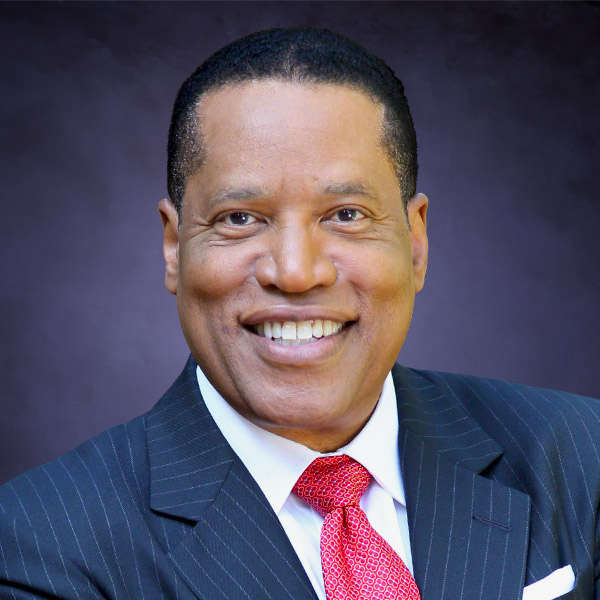

El Salvador's President Nayib Bukele is pushing for constitutional changes to allow life imprisonment in a country that has already detained over 1% of its population during an anti-gang crackdown. The proposed reform comes amid criticism that Bukele is dismantling democratic institutions and consolidating power.
El Salvador’s President Nayib Bukele is advancing constitutional changes that would authorize lifetime imprisonment sentences in a nation where more than one percent of citizens are currently behind bars due to anti-gang operations.
Bukele’s political party introduced the constitutional amendment to lawmakers on Tuesday, and the measure appears headed for approval given his party’s dominant control of the legislature.
The proposal represents the latest in a series of constitutional modifications that critics argue are eroding democratic safeguards and weakening institutional oversight in the Central American country.
“We will see who supports this reform and who dares to defend the idea that the Constitution should continue prohibiting murderers and rapists from remaining in prison,” Bukele wrote in a post on X on Tuesday.
This past August, lawmakers approved another constitutional change eliminating presidential term restrictions, creating a pathway for Bukele to remain in office without time limits. Constitutional scholars widely view Bukele’s current second term, which started in 2024, as violating the nation’s charter that bars consecutive presidential reelections.
The latest reform proposal expands upon Bukele’s existing anti-gang initiatives, including an emergency decree implemented in March 2022 after a surge in gang-related violence swept the country.
This emergency declaration, designed as a short-term response but renewed for almost four years, has suspended fundamental constitutional protections and resulted in approximately 91,300 arrests.
Human rights organizations have documented numerous cases of wrongful imprisonment over several years, with one advocacy group presenting evidence to the Inter-American Commission on Human Rights claiming most emergency detainees were unlawfully arrested. While Bukele strongly disputed these accusations, he has acknowledged releasing 8,000 individuals found to be innocent.
Bukele’s administration has also targeted political opponents, arresting critics and activists while increasingly pressuring journalists and opposition figures to choose between leaving the country or facing imprisonment.
Individuals arrested during the emergency period remain in custody with minimal evidence, facing unclear charges from government officials and receiving extremely limited access to legal protections. Many defendants face group trials while their attorneys frequently cannot locate their clients within the prison system.
Government representatives under Bukele have previously declared that detained gang members “will never return” to freedom.
 Dodgers Star Ohtani Set to Pitch Wednesday Against Giants in Spring Training
 Live Nation Employee Apologizes for Calling Concert Fans ‘Stupid’ in Court
 NYC Mayor Seeks to End Legal Defense for Predecessor Adams in Sex Assault Case
 Kurdish Family Celebrates Ramadan While Worrying About Relatives Across Border