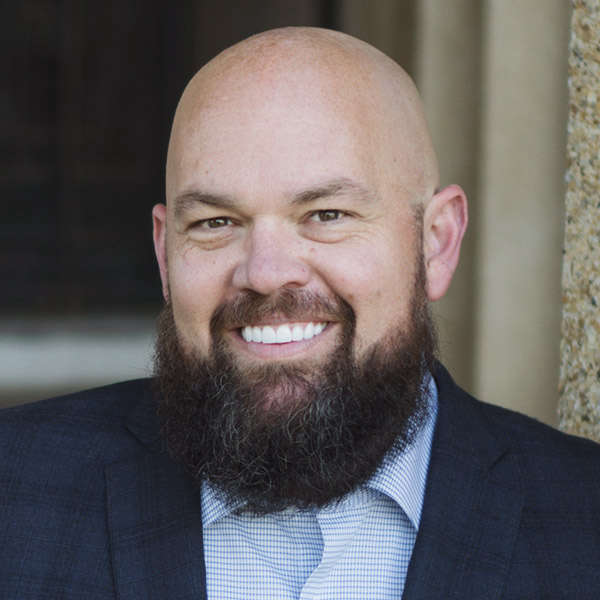

Federal Reserve Chairman Jerome Powell hasn't decided whether to stay on the Fed's board after his leadership term ends in May, a choice that could significantly affect incoming chair Kevin Warsh's tenure. Powell says he won't leave until a criminal investigation led by U.S. Attorney Jeanine Pirro concludes with full transparency.
WASHINGTON – The Federal Reserve faces an unprecedented situation as Chairman Jerome Powell weighs whether to remain on the central bank’s governing board beyond his leadership term, a decision that could dramatically influence how his potential successor Kevin Warsh operates and whether the Trump administration can restructure Fed operations.
Speaking publicly about the matter for the first time Wednesday, Powell indicated he won’t depart the Fed until a criminal investigation led by U.S. Attorney Jeanine Pirro reaches completion “well and truly over with transparency and finality.” He hasn’t made a final choice about staying in his governor position, which extends through 2028 and would overlap significantly with Warsh’s potential leadership period.
Financial experts believe it’s doubtful the Fed would function with “two popes” – referencing a historical Catholic Church division – and expect the current standoff between Powell’s Republican supporters and the Trump administration will resolve with the investigation ending, Warsh gaining Senate confirmation, and Powell stepping down.
Key GOP lawmakers including North Carolina Senator Thom Tillis have stated they won’t approve Warsh’s nomination until Pirro ends her investigation. This stance likely ensures Powell’s departure condition will be satisfied before a new Fed leader takes charge, according to Mark Spindel, chief investment officer at Potomac River Capital and Fed historian.
“If the legal issues are resolved and Tillis stands down, (and) Kevin is confirmed, I believe Jay will retire,” Spindel explained. “I think he would be respectful of the incoming chair” after the Pirro investigation concludes, with the confirmation delay protecting both Powell and sparing Warsh from managing an organization with his well-respected predecessor still present.
However, Powell’s potential extended stay as a board member presents a different scenario. Additional challenges facing the central bank remain active, including Trump’s Supreme Court case seeking Fed Governor Lisa Cook’s removal and Treasury Secretary Scott Bessent’s proposals for regional bank president residency requirements. Powell might choose to address these issues before vacating his position and allowing Trump another board appointment.
During Wednesday’s press conference following the Fed’s decision to maintain current interest rates, Powell stated he would determine his board future “based on what I think is best for the institution and for the people we serve.” This approach could place both Warsh and the Fed in unprecedented circumstances.
LH Meyer analyst Derek Tang noted in detailed research that Powell’s current “source of leverage … lies more in not having decided yet, to induce better behavior from Trump.”
Should genuine threats to Fed independence persist as Warsh assumes leadership, Tang suggested Powell might reasonably remain through November’s midterm elections, which could alter Congressional power dynamics, or even until his governor term expires in 2028 during Trump’s final presidential year.
Such a strategy carries risks, including potential departures of other Fed governors that would provide the administration additional appointment opportunities and greater influence despite Powell’s continued presence.
Without contemporary precedent for an ex-Fed chair’s role, Powell would risk appearing politically motivated while defending the Fed’s independence from political interference.
Vincent Reinhart, chief economist at BNY Investments and former Fed monetary affairs division head, characterized Powell remaining as “confrontational … to the new chair and to the White House and to the Senate who confirmed the new chair. Powell staying is basically the old guard announcing they’re going to the mattresses.”
The closest historical parallel occurred during the 1950s when departing Fed Chair Marriner Eccles stayed on the board at President Harry Truman’s request for post-war economic management, though Reinhart noted that situation differed significantly.
The informal tradition of Fed chairs leaving their governor seats reflects institutional design principles. While the Fed maintains independence in interest rate decisions, it’s not meant to be immune from electoral outcomes, with four-year leadership terms aligned with presidential cycles allowing each president to select a Fed chief. Governor terms follow separate 14-year schedules to shield them from political pressures.
Christopher Hodge, chief U.S. economist at Natixis CIB, suggested Powell’s continued board presence could “be a beneficial counterpoint if the Fed was being unduly influenced by political factors. … The administration has shown they’re going to try whatever tools are at hand” to influence the central bank, an approach unlikely to change under Warsh.
Nevertheless, Hodge expressed confidence in institutional protections and believes Warsh, once confirmed as Fed chief, “is going to be looking at how history views him.”
After Senate confirmation, “he’s outside the political touch of the president. He is going to use that independence to implement policy how he sees fit,” Hodge concluded.
 Construction Closes Southbound Lane on Peach Tree Run Until 5 PM Today
 Iranian Kurds in Iraq Await Regime Change Before Returning Home
 Construction Shuts Down Southbound Lane on Janice Road Until 5 PM
 Construction Closes Lane on Kenton Road Through 5 PM Today