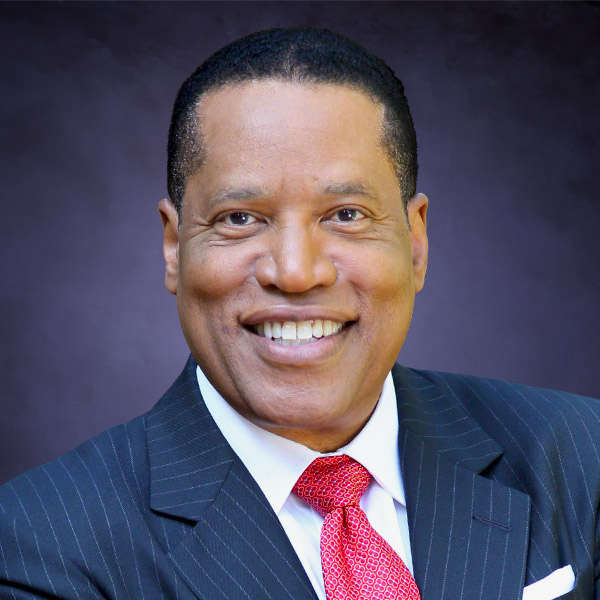

Ilia II, who guided the Georgian Orthodox Church for almost five decades, passed away Tuesday at age 93 after being hospitalized for internal bleeding. The patriarch transformed the church from a Soviet-repressed institution into Georgia's most influential non-governmental organization.
The Georgian Orthodox Church is mourning the loss of its longtime spiritual leader, Ilia II, who died Tuesday at age 93 after nearly five decades of leadership that transformed the religious institution from Soviet oppression to national prominence.
Metropolitan Shio, a senior church official, confirmed that the Catholicos-Patriarch passed away after being hospitalized Monday evening for severe internal bleeding. Church leaders now have 40 days to select his successor through the Holy Synod of senior bishops.
Born Irakli Ghudushauri-Shiolashvili on January 4, 1933, in Russia’s North Caucasus region, he came from a Georgian family originally from the mountainous Kazbegi area. His religious education took place at Moscow’s Theological Academy, where he received ordination under the name Ilia despite Soviet restrictions on religious teaching.
After completing his theological training, he returned to Georgia and advanced through church leadership, ultimately becoming Catholicos-Patriarch in 1977. At that time, he took control of an organization devastated by Soviet anti-religious policies, including violent persecution of clergy and destruction of sacred sites.
Georgia embraced Christianity as its official religion in the early 300s, and faith remains central to the nation’s identity today. Research from the Pew Center in 2017 showed that 89% of Georgians consider themselves Orthodox Christians.
The church’s modern influence was solidified through a 2002 agreement with Eduard Shevardnadze, Georgia’s first leader after Soviet rule ended. This pact granted the church special authority over education and cultural preservation, plus significant tax benefits.
When the Soviet system collapsed in 1991, the Georgian Orthodox Church stepped into the resulting ideological void, becoming a cornerstone of national identity as citizens searched for new meaning beyond communist doctrine. Public opinion surveys consistently ranked the church as Georgia’s most trusted institution, with Ilia II personally earning recognition as the country’s most respected figure in a 2008 poll.
Under Ilia II’s leadership, the church became central to Georgia’s ongoing tension between traditional conservative values and aspirations for closer European ties. Some clergy viewed Western liberal ideologies as incompatible with Georgia’s spiritual mission and cultural heritage.
The patriarch maintained deeply conservative positions on social matters. He opposed abortion rights and characterized homosexuality as a “disease,” comparing LGBT individuals to those struggling with addiction. In 2013, he urged government officials to prohibit a gay rights demonstration. When the event proceeded, thousands of counter-protesters led by Orthodox priests violently confronted participants, injuring 17 people according to Amnesty International.
Critics argued that Ilia II allowed the Georgian church to fall under Russian Orthodox influence, particularly concerning given President Vladimir Putin’s use of religious institutions to support the Ukraine conflict. This Russian connection remains politically sensitive in Georgia, which lost a brief war with Russia in 2008.
When Russia launched its full invasion of Ukraine in 2022, Ilia II expressed “deep heartache” about the violence and later joined other global religious leaders, including Pope Francis, in calling for a ceasefire.
However, in his final years, Ilia II controversially involved himself in church politics surrounding Russia and Ukraine. In 2023, as Ukraine moved to ban a Russian-affiliated Orthodox faction for alleged Moscow collaboration, Ilia II urged the leader of Eastern Orthodox Christianity to “reduce tensions” and promote “mutual rapprochement.”
This stance coincided with Georgia’s ruling Georgian Dream party strengthening economic relationships with Moscow while abandoning its Western-oriented policies.
In his 2023 Easter message, delivered one year after the Ukraine war began, Ilia II reflected on conflict and peace.
“We live in difficult times, explosive times, when the threat of a nuclear catastrophe is real,” he stated. “Therefore, we reflect especially on peace, which is a priceless gift of God.”
 Construction Closes Right Lane on Naamans Road Until 8 PM Tonight
 El Salvador Leader Seeks Life Sentences After Jailing 1% of Citizens
 White House Refutes Tucker Carlson’s Claims of CIA Investigation
 Federal Officials Target Florida as Latest State in Medicaid Fraud Investigation