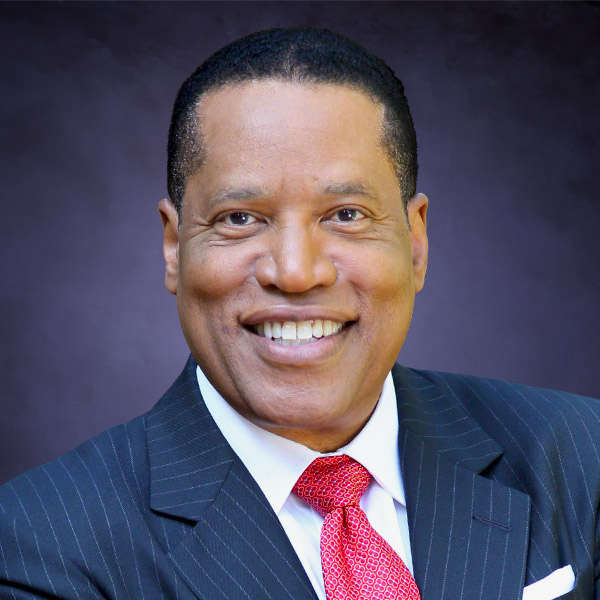

Doug Moe, the colorful former Denver Nuggets coach known for his high-scoring teams and fiery sideline antics, passed away Tuesday at age 87 following a lengthy battle with cancer. The Brooklyn-born coach led Denver through their most successful era in the 1980s, winning 432 games and earning NBA Coach of the Year honors in 1988.
DENVER — Former NBA coach Doug Moe, whose unconventional style and explosive offensive teams made him a basketball legend during the 1980s, passed away Tuesday at age 87 after battling cancer for an extended period.
David Moe informed close friends of his father’s death, according to longtime Denver television personality Ron Zappolo, who shared the news with reporters. The coach had been fighting the disease for some time before his passing.
The Denver Nuggets organization honored Moe through social media, describing him as “a one-of-a-kind leader and person who spearheaded one of the most successful and exciting decades in Nuggets history.”
Throughout his 15-year head coaching career, Moe compiled a 628-529 record while leading the San Antonio Spurs, Denver Nuggets, and Philadelphia 76ers. Although he never captured a championship, his most notable playoff run occurred in 1985 when Denver reached the Western Conference finals before falling to the Los Angeles Lakers. The NBA recognized his excellence by naming him Coach of the Year in 1988.
Rather than championship rings, Moe’s legacy centers on his revolutionary motion offense and the captivating spectacle he created while coaching from the sidelines during games.
His Denver squads topped the NBA in scoring for five consecutive seasons during the early 1980s, achieving this success while rarely implementing structured plays.
Moe affectionately referred to his most beloved players as “stiffs” or used even stronger language, particularly when addressing favorites like Kiki VanDeWeghe, Danny Schayes, and Bill Hanzlik to emphasize his coaching points.
During games, the coach paced the sidelines wearing one of his trademark worn sports jackets, typically without a necktie (though he kept several “emergency suits” reserved for special occasions), his disheveled hair and strained voice often reduced to a whisper by the final buzzer.
The area near Denver’s bench and the ten rows of seats behind it became notorious for adult language, yet within hours of games ending, Moe could be found socializing with the same players he had criticized, often questioning where his intense sideline persona had originated.
“Sometimes I think I have a Jekyll-and-Hyde personality. I clown around a lot before and after a game, but once a game starts, my emotions just take over,” Moe explained during a 1983 New York Times interview.
Before John Elway’s arrival in Denver, Moe stood as the city’s most prominent sports figure. Zappolo, the veteran broadcaster, described discovering a gentle soul beneath Moe’s game-day intensity.
“I don’t know if there’s ever been a more important sports figure in Denver, not only because of how successful he was, but how colorful he was and how kind he was,” Zappolo explained. “There are a lot of people walking around today who feel like they were Doug’s best friend.”
Born Douglas Edwin Moe on September 21, 1938, in Brooklyn, New York, he gained recognition in New York basketball communities as a teenager, sometimes using false identities to join teams for which he wouldn’t normally qualify.
He formed a partnership with close friend Larry Brown at North Carolina, where the 6-foot-5 small forward earned All-America recognition twice. However, his college career ended prematurely due to a point-shaving scandal, though Moe only accepted $75 for travel expenses to attend a meeting and refused to manipulate game outcomes.
Following several years playing professionally in Europe, Moe reunited with Brown as they navigated careers in the emerging ABA. Moe achieved three All-Star selections during his five-year playing career, which concluded early due to chronic knee problems.
After retiring as a player, he joined Brown’s coaching staff with the Carolina Cougars, then moved to the Nuggets during the franchise’s final ABA seasons.
Despite claiming he never desired a head coaching position and preferred avoiding such demanding work, Brown convinced him to accept the San Antonio job. With George Gervin’s assistance, Moe captured two division titles and reached one conference final during his four seasons with the Spurs.
Denver became Moe’s next destination when he replaced another Carolina associate, Donnie Walsh, who was dismissed in 1980. The following decade represented a golden period for the Nuggets, who wore rainbow uniforms and established scoring records while remaining overshadowed by the Lakers and Celtics dynasties.
Alex English and VanDeWeghe claimed the top two scoring positions during the 1982-83 season, an achievement no teammates have duplicated since. The Nuggets participated in a 186-184 loss to Detroit in 1983 that remains the NBA’s highest-scoring contest. Moe accumulated 432 victories with Denver, and the organization retired that number in his honor.
More than three decades passed after Moe’s retirement and relocation to San Antonio before the Nuggets finally achieved NBA championship success.
Ironically, one of Moe’s most memorable coaching moments came while opposing Denver on the 1977-78 season’s final day when he coached San Antonio. Earlier that day, Denver, then coached by Brown, assisted David Thompson in scoring 73 points against Detroit, temporarily placing him ahead of Gervin in their tight scoring title race.
That evening, Moe instructed the Spurs to clear the way for “Ice.” Gervin responded with 63 points against Utah, winning the scoring championship by .07 points.
Moe’s coaching pinnacle occurred in Denver, where his teams improved significantly after acquiring Fat Lever and Calvin Natt through a 1984 trade. However, both players suffered injuries during the 1985 conference finals against Los Angeles. Denver lost the final three games in a 4-1 series defeat, marking Moe’s closest approach to a championship.
While Denver emphasized offense, Moe dedicated considerable time promoting defensive play, arguing that defense, rather than scoring prowess, would determine victory or defeat.
During one particularly frustrating blowout loss in Portland, he angrily ordered his team to abandon defensive efforts and allow easy baskets during the final minutes, enabling the Trail Blazers to establish a franchise single-game scoring record. This decision resulted in a fine and suspension, occurring just weeks after he was penalized for throwing water at an official.
Generally, however, Moe built his reputation on maintaining perspective and humor, serving as a disheveled contrast to the polished Pat Riley and the Lakers’ Showtime teams that controlled the Western Conference throughout the decade.
Moe even turned his lowest moment—his 1990 dismissal by Denver—into theater by wearing a Hawaiian shirt and opening champagne at the press conference while his wife, whom he called “Big Jane,” watched. He declared it a celebration since he would now receive payment for doing nothing.
His head coaching career concluded with an unsuccessful Philadelphia stint lasting less than one season before returning to Denver in various support roles, including serving as George Karl’s assistant coach.
“Because I’m stupid, or something like that,” Moe responded when asked why he returned to coaching.
That assessment proved far from accurate.
Despite his claims of simply providing a basketball and letting players perform, a sophisticated and well-rehearsed system underlied what appeared to be the chaos of his fast-paced passing offense.
“There will never be another sports figure like Doug Moe,” Zappolo concluded. “He really was one of a kind.”