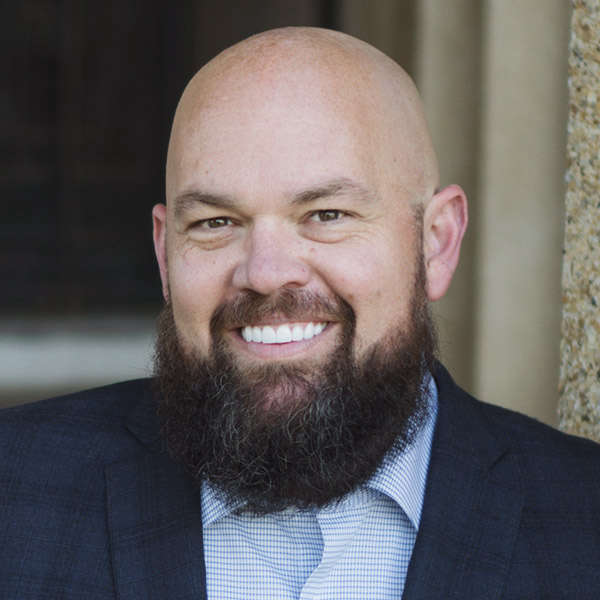

Rob Jetten, 38, has been sworn in as the Netherlands' youngest prime minister ever, leading a minority government. His coalition controls only 66 of 150 parliamentary seats and faces opposition criticism over plans to fund defense spending increases through welfare and healthcare cuts.
At age 38, Rob Jetten has made history as the Netherlands’ youngest prime minister after King Willem-Alexander officially installed his minority government on Monday.
Jetten led his progressive, pro-European Union D66 party to an unexpected electoral win last October through a polished campaign that promised to move away from the divisive policies of the previous administration led by nationalist Geert Wilders.
However, his optimistic outlook will face immediate challenges, as his center-right coalition government lacks majority control in both chambers of the Dutch parliament, requiring opposition backing for every legislative proposal.
The partnership between D66, the conservative Christian Democrats, and the right-wing VVD represents an unusual political experiment in Europe’s fifth-largest economy, where majority coalitions with comprehensive governing agreements have been the norm.
Finding majority support has grown increasingly challenging in the Netherlands’ fragmented political environment, where voter loyalties shift with each election cycle and moderate parties continue losing ground.
Opposition groups across the political spectrum have already criticized the coalition’s strategy to finance a significant defense spending boost through reductions in social programs and healthcare funding.
Left-wing opposition leader Jesse Klaver condemned the proposals as “unfair” last Friday, citing independent analysis showing the plans would disproportionately impact lower-income citizens.
“Working families will face hundreds of euros in additional costs, while the wealthy face no extra burden,” Klaver wrote on social media platform X. “This must be changed.”
Wilders has vowed to block every initiative from Jetten’s administration, while numerous smaller parties have expressed reservations about the coalition’s announced policies.
The government has committed to raising defense expenditures to NATO’s new 3.5% of GDP benchmark by 2035, up from the current 2%, through what they call a “freedom tax” – an additional income tax surcharge.
Additional coalition goals include restricting unemployment benefit duration, increasing individual healthcare contributions, and speeding up retirement age increases to match longer life expectancy.
The government has also pledged stricter asylum and migration policies, an issue that has divided Dutch politics for years and contributed to the collapse of the two previous administrations.
Jetten has attempted to minimize concerns about controlling just 66 of 150 lower house seats, framing it as a chance for enhanced parliamentary cooperation following years of political gridlock under Wilders that prevented progress on major policy initiatives.
Leading up to his government’s installation, he indicated flexibility in adjusting their proposals.
“We recognize that everyone bears costs, but the distribution isn’t completely balanced,” Jetten acknowledged.
“We have time over the coming months to refine these plans before finalizing our budget.”
Defense Minister Dilan Yesilgoz will oversee the military spending increase. She assumed leadership of the VVD party in 2023, succeeding Mark Rutte, who served as the Netherlands’ longest-tenured prime minister and now heads NATO.
Former European Parliament member Tom Berendsen has been appointed Foreign Minister, while Eelco Heinen continues in his role as Finance Minister.