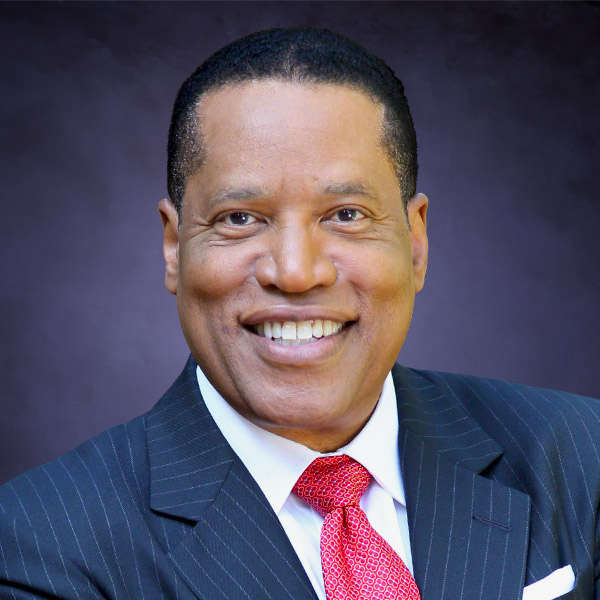

Peru's Congress has removed interim President José Jerí from office amid corruption allegations, marking the seventh presidential change in less than a decade. The South American nation faces continued political instability just weeks before its April presidential election.
LIMA, Peru — Political turmoil struck Peru once again Tuesday as lawmakers voted to oust interim President José Jerí, creating fresh uncertainty just weeks ahead of the country’s scheduled April presidential race.
The 39-year-old attorney becomes Peru’s seventh leader to exit office in under ten years, with congressional members set to choose his replacement to guide the nation through upcoming elections until the newly chosen president takes the oath on July 28.
Jerí, who won a congressional seat in 2021 representing the small conservative Somos Peru party, had served as Congress leader last October when legislators ousted former President Dina Boluarte amid rising violent crime concerns.
After Boluarte’s departure, fellow lawmakers selected Jerí as temporary president, expecting him to remain until July when the new presidential term starts. However, his tenure ended abruptly as corruption accusations emerged and Congress lost confidence in his leadership abilities.
Peru’s Attorney General’s office launched a preliminary corruption and influence peddling probe against Jerí earlier this year.
The investigation centers on secret December meetings between Jerí and two Chinese business figures. One businessman maintains active government contracts, while authorities are investigating the other for suspected participation in illegal timber operations.
Jerí has maintained his innocence, claiming the meetings were arranged to plan a Peruvian-Chinese celebration, though political opponents have labeled his actions corrupt.
Although Jerí hasn’t been convicted of any wrongdoing, congressional colleagues pointed to these allegations when justifying his removal, claiming he was no longer capable of fulfilling presidential responsibilities.
Peru’s constitution includes a provision allowing lawmakers to dismiss presidents deemed “morally incapable” of performing their official functions.
This constitutional measure has given legislators significant power over the executive branch, which has also faced difficulties securing congressional support in recent years.
Congress members have broadly interpreted the moral incapacity provision, using it alongside corruption claims to dismiss presidents who no longer serve the political parties’ interests.
The past decade has seen seven different presidents lead Peru, with only two winning office through popular elections. The remainder have been vice presidents stepping up for removed leaders, or Congress members chosen by colleagues to head the South American country.
Despite this presidential carousel, Peru has maintained economic stability throughout the decade, with successive governments following traditional economic approaches including controlled government spending.
In 2024, the South American country maintained a 32% public debt-to-GDP ratio, among Latin America’s lowest, while attracting foreign investment in mining and infrastructure sectors.
Nevertheless, political analysts have observed that the increasingly influential Congress has enacted laws in recent years that could undermine Peru’s judicial independence.
Congressional representatives will meet Wednesday to select a new temporary president, who must serve until July and transfer authority to whoever wins the nation’s presidential contest set for April 12.
Conservative businessman and former Lima mayor Rafael López Aliaga currently leads a packed candidate field that includes ex-legislator Keiko Fujimori, who has run for president three times and whose father led Peru during the 1990s.
Should no candidate secure over 50% of April votes, the top two finishers will compete in a June runoff election.