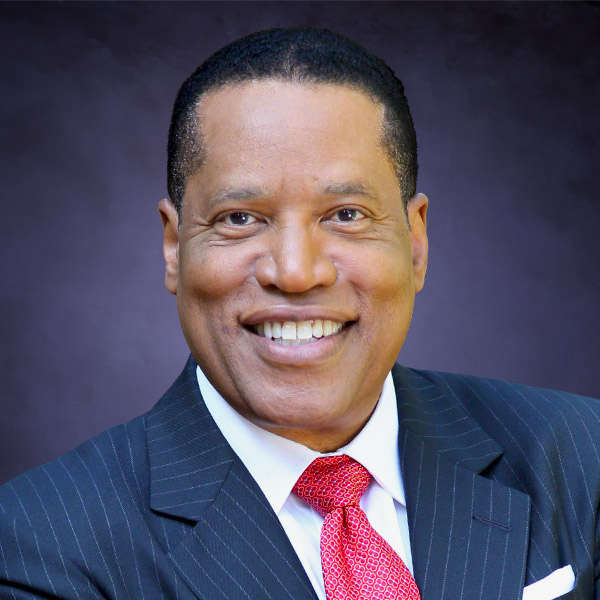

Mourners stretched for nearly two city blocks in Chicago to pay respects to civil rights icon Jesse Jackson, who passed away last week at age 84. The public memorial at Rainbow PUSH Coalition headquarters drew community members, elected officials, and activists celebrating Jackson's decades of advocacy that transformed American politics.
CHICAGO — Thousands of people formed lengthy lines spanning almost two city blocks in Chicago this week to pay their final respects to civil rights champion Jesse Jackson, who passed away last week at the age of 84.
The public viewing took place at the Rainbow PUSH Coalition headquarters, the organization Jackson established in 1996. Community members, political leaders, and activists gathered to celebrate the life of a man whose lifelong commitment to social justice transformed the landscape of American politics and gave voice to Black communities and other marginalized groups.
Barricades contained the massive crowd as people waited patiently to see Jackson lying in repose during the memorial service. A large screen outside the building displayed photographs chronicling Jackson’s journey from his early organizing days through the pinnacle of his influential career.
Street vendors positioned themselves at a nearby intersection, offering t-shirts, pins, and memorabilia featuring Jackson’s famous rallying cry “Keep Hope Alive” — a slogan that became deeply connected with his movement and continues to inspire today’s social justice advocates.
Among those in attendance was Theo Scott, an 82-year-old visitor from North Carolina who was in town caring for an ill family member. “He was outstanding and his resilience is one of the things that stands out to me,” she said while explaining her decision to stop by the memorial before returning home.
Within the building, Jackson’s family members and longtime ally Al Sharpton positioned themselves next to his glass-covered casket, greeting each mourner who came to pay their final respects.
“It’s been beautiful to see the outpouring of love,” Yusef Jackson, an attorney and the youngest son of Jesse Jackson, told Reuters. “We’re dealing with a level of personal grief and loss that is a big gap in our household. He was our father, he was our minister and he was also our leader.”
Former U.S. representative Bobby Rush, seated among the attendees, emphasized the responsibility now facing future generations. “It’s up to the younger generation to keep pushing this battle forward,” he stated.
Jazmine Valadez, 32, characterized Jackson’s lifetime of work as “proof of concept” for continued activism efforts. “He showed us we can do amazing things, care for one another, and build those coalitions,” she explained.
Jackson emerged as a prominent figure in the civil rights movement as a young organizer within the Southern Christian Leadership Conference, working closely with the Reverend Martin Luther King Jr. He traveled with King to Memphis in 1968 to support striking African-American sanitation workers, just before the assassination of the renowned civil rights leader.
A native of Greenville, South Carolina, Jackson developed into one of the most prominent Black political figures of the latter half of the 20th century. His advocacy efforts included pushing for sanctions against South Africa’s apartheid system, securing the freedom of American hostages in foreign countries, and promoting corporate responsibility and minority business opportunities domestically.
Charles Jenkins, 50, who viewed Jackson as a mentor, remembered their interactions where Jackson was “always teaching.” Even as his health deteriorated, Jenkins noted that Jackson never stopped fighting for economic fairness and community welfare.
“While sick, he had a goal to mobilize 2,000 churches for holiday food distribution,” said Jenkins, who had visited Jackson following his hospitalization in November. “Reverend Jackson led with love at the core, which is to have the highest form of concern for another by demonstration.”
Jackson constructed a political movement focused on economic fairness and building alliances that crossed racial and socioeconomic boundaries. His two presidential campaigns energized millions of previously inactive voters through his “Rainbow Coalition” platform, compelling the Democratic Party to prioritize concerns affecting working-class Americans, agricultural communities, and people of color.
His passing occurs during a period when President Donald Trump’s administration has targeted various U.S. institutions, including museums, monuments, and national parks, to eliminate what the president labels “anti-American” ideology. These actions have included dismantling slavery exhibitions and restoring Confederate monuments, moves that civil rights advocates warn could undo decades of social advancement.
“His fingerprint changed the world,” Charlie Dates, senior pastor of Progressive Baptist Church of Chicago, said of Jackson. “I’m feeling a sense of responsibility. So much despair and anxiety is rampant, but we cannot fear, we have to work towards better.”
Upcoming memorial events include a musical tribute called “The People’s Celebration” featuring gospel choirs, scheduled for next week at the House of Hope Baptist church. A private homegoing celebration of life is planned for March 7 at the Rainbow PUSH Coalition headquarters.
 Construction Causes Lane Closures on Spring Lake Drive Until Evening
 TurboTax Parent Company Projects Lower Profits Despite Tax Season Marketing Push
 Language App Duolingo Changes Course, Prioritizes More Users Over Profits
 Texas Religious Curriculum Needs Nearly 2,000 Corrections After First Year