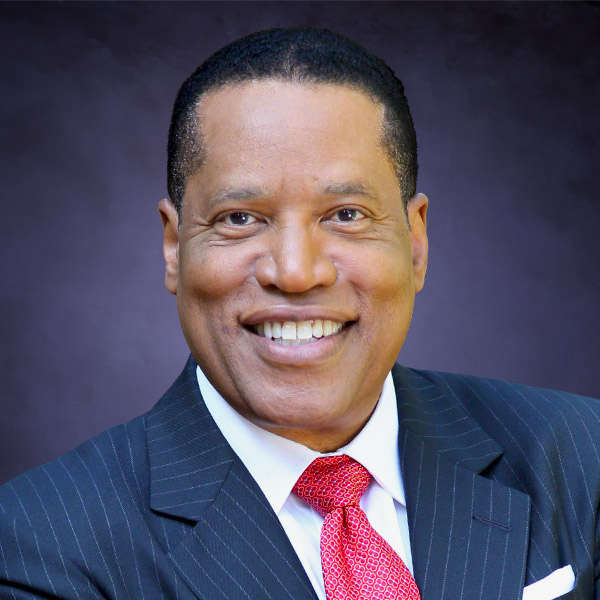

Patriarch Filaret of Kyiv, who spent decades fighting to establish a Ukrainian Orthodox church independent from Russian religious control, has died at age 97. His efforts to create religious autonomy paralleled the cultural divisions that eventually led to the current Russia-Ukraine conflict.
Patriarch Filaret of Kyiv, who dedicated much of his life to creating a Ukrainian Orthodox church separate from Russian religious control, passed away on Friday at the age of 97, according to church officials.
The Orthodox Church of Ukraine confirmed his passing, stating that the “exacerbation of chronic diseases” led to his death.
While Filaret’s influence had diminished in recent years as tensions between Ukraine and Russia escalated into open warfare, his lasting impact includes decades of work toward establishing religious independence for Ukraine’s Orthodox community.
Metropolitan Epiphanius of Kyiv, current leader of the OCU, honored the deceased patriarch’s contributions. “The person and numerous good deeds of the late Patriarch Filaret rightfully occupy a special place in the modern history of both the local Ukrainian Orthodox Church and Ukraine as a whole,” Epiphanius stated.
According to Epiphanius, Filaret “did much to preserve church life during the years of Soviet oppression of the Church, during the spiritual revival of Ukraine, and especially during the years of the struggle for the establishment of church autocephaly,” referring to religious independence. Despite acknowledging past “difficult events” between them, Epiphanius said he “always consistently respected the contribution of Patriarch Filaret.”
Ukrainian President Volodymyr Zelenskyy also paid tribute, calling Filaret’s passing on Telegram “a great loss for Ukrainians.”
“He was a strong personality and one of the most steadfast defenders of the Ukrainian church, independence and statehood,” Zelenskyy wrote. “Without the energy, character and courage of Patriarch Filaret, many of Ukraine’s accomplishments simply would not have been possible.”
The Ukrainian Parliament praised Filaret’s role in maintaining religious life during Soviet persecution and beyond.
Born as Mykhailo Denysenko in 1929 in Blahodatne village in Ukraine’s Donetsk region, Filaret’s path to religious leadership began after his father died during World War II. Despite the Soviet Union’s official atheist stance, he pursued ministry, eventually becoming a monk and adopting the name Filaret.
After studying and serving in both Russia and Ukraine during the Soviet era, he rose through church ranks to become a bishop. By the 1960s, he had become the Russian Orthodox Church’s top representative in Ukraine and was even considered for the position of Moscow patriarch in 1990, though he wasn’t chosen.
When Ukraine gained independence in 1991 following the Soviet collapse, Filaret spearheaded a parallel movement for church independence. He led the formation of a separate Ukrainian Orthodox Church – Kyiv Patriarchate.
The Russian Orthodox Church, which maintained authority over Ukraine, rejected this breakaway movement. Church officials stripped Filaret of his clerical status and excommunicated him, actions he refused to acknowledge.
In 2018, Filaret’s church combined with another breakaway congregation, and he received the honorary patriarch title. The merged OCU gained official recognition in 2019 from Ecumenical Patriarch Bartholomew of Constantinople, who also declared Filaret’s Moscow excommunication invalid.
While the ecumenical patriarch holds the position of “first among equals” in Eastern Orthodoxy, he doesn’t possess papal authority over other patriarchs’ regions. Moscow’s Patriarchate disputed Bartholomew’s right to hear Filaret’s case or recognize the merged church.
This situation created two competing Orthodox churches in Ukraine — the OCU and the Ukrainian Orthodox Church. Ukrainian officials have alleged the latter maintains Moscow connections, which that church denies.
The breakaway church’s recognition added religious tensions to the growing Ukraine-Russia divide, with Russian leaders even accusing the United States of involvement.
Soon after the OCU formed, Filaret and Epiphanius disagreed about church structure and leadership, leading Filaret to attempt reviving the Kyiv Patriarchate. The OCU suspended Filaret’s participation in 2020.
The two leaders eventually reconciled, meeting in late 2023 to pray together for Ukraine’s victory against Russia, according to OCU news services. The church’s obituary honors him as “His Holiness Patriarch Filaret of Kyiv and All Rus’-Ukraine.”
Filaret generated controversy in other areas as well. In 2020, he blamed the COVID-19 pandemic on divine punishment for human sins, specifically citing same-sex marriage in a television interview.
Throughout his lifetime, he received numerous religious and governmental honors, including Ukraine’s highest recognition — Hero of Ukraine — in January 2019.
 I-495 Speed Limit Drops to 55 MPH as Rain Creates Hazardous Conditions
 Major Investment Fund Records First Monthly Decline in Three Years
 Jury Holds Elon Musk Liable for Defrauding Twitter Investors in $44B Deal
 UMES Hawks Secure Second Consecutive NEC Win with 7-4 Victory Over Coppin State