
A federal judge on Thursday dismissed a lawsuit from the U.S. Department of Justice seeking Massachusetts’ state voter rolls, marking the latest setback in a wide-ranging effort by the Trump administration to collect detailed data on the nation’s voters.
The ruling from U.S. District Court Judge Leo Sorokin marks at least the fifth time a judge has rejected similar attempts by the Justice Department. Sorokin, an appointee of former President Barack Obama, said the U.S. attorney general’s office did not take the necessary steps required to access voter rolls, as outlined in federal law.
“Put simply, the statute requires a statement of why the Attorney General demands production of the requested records,” Sorokin wrote. That statement has to be factual, “not just a conceivable or possible basis.”
In an emailed response, the Justice Department said it “does not comment on ongoing litigation.”
It has said it’s seeking the voter data as part of an effort to ensure election security, but Democratic and Republican officials in several states have refused, saying the demand violates state and federal privacy laws. Some have raised concerns that federal officials will use the sensitive data for other purposes, such as searching for potential noncitizens.
During a hearing last month in Rhode Island, a DOJ attorney told a federal judge that the department was seeking unredacted voter roll information so it could be shared with the Department of Homeland Security to check citizenship status. DHS over the past year has beefed up the Systematic Alien Verification for Entitlements, or SAVE, program, for just this purpose.
“Our intention is to run this against the DHS SAVE database,” DOJ attorney Eric Neff told U.S. District Judge Mary McElroy during a March 26 hearing challenging the federal government’s authority to access the voter data.
The Justice Department has sued at least 30 states and the District of Columbia seeking to force release of the data, which includes dates of birth, addresses, driver’s license numbers and partial Social Security numbers.
At least 12 states have either provided or promised to provide their detailed voter registration lists to the department, according to the Brennan Center: Alaska, Arkansas, Indiana, Louisiana, Mississippi, Nebraska, Ohio, Oklahoma, South Dakota, Tennessee, Texas and Wyoming.
In the Massachusetts case, the the judge found that the Justice Department failed to follow the requirements for demanding the voter rolls set by a 1960 civil rights law.
That law, enacted as part of an effort to end racial discrimination in elections, says state voter records must be made available for inspection by the U.S. attorney general if the office includes a statement outlining why the information is being demanded and how it will be used.
The department’s letter demanding Massachusetts’ voter data made no reference to the Civil Rights Act and didn’t cite any concerns about the way Massachusetts complied with federal voting laws, the judge said. Most importantly, it didn’t include any factual basis for the demand, Sorokin wrote.
In court documents, the Justice Department said it was demanding the data to check for “Massachusetts’ possible lack of compliance” with federal voter registration list requirements. It also said the Civil Rights Act was designed to be an investigatory tool to identify federal election law violations and argued that the U.S. attorney general can’t be required to prove a violation before seeking evidence of one.
“These arguments miss the point,” Sorokin wrote.
Massachusetts Attorney General Andrea Joy Campbell called the ruling a decisive win for voters and the rule of law.
“The privacy of our voters is not up for negotiation, and I will continue to defend the integrity and security of our elections from the Trump Administration’s cruel and harmful agenda,” she said in a news release.
Four federal judges in other states have dismissed similar lawsuits from the Department of Justice.
A federal judge in Michigan found the laws cited by the Justice Department do not require the disclosure of the voter records sought by the federal government. A federal judge in California said the administration “may not unilaterally usurp the authority over elections,” which the Constitution gives to the states and Congress. A federal judge in Oregon said the federal government was not entitled to unredacted voter registration lists containing sensitive data.
A federal judge in Georgia dismissed a DOJ lawsuit because he found it had been filed in the wrong city. The federal government then refiled the lawsuit in the city specified by the judge; that case is ongoing.
The Justice Department has appealed the Oregon, California and Michigan dismissals.
___ Boone reported from Boise, Idaho. Associated Press writer Kimberlee Kruesi in Providence, Rhode Island, contributed to this report.
Brought to you by www.srnnews.com
 Immigration board denies Mahmoud Khalil’s appeal, bringing activist one step closer to deportation
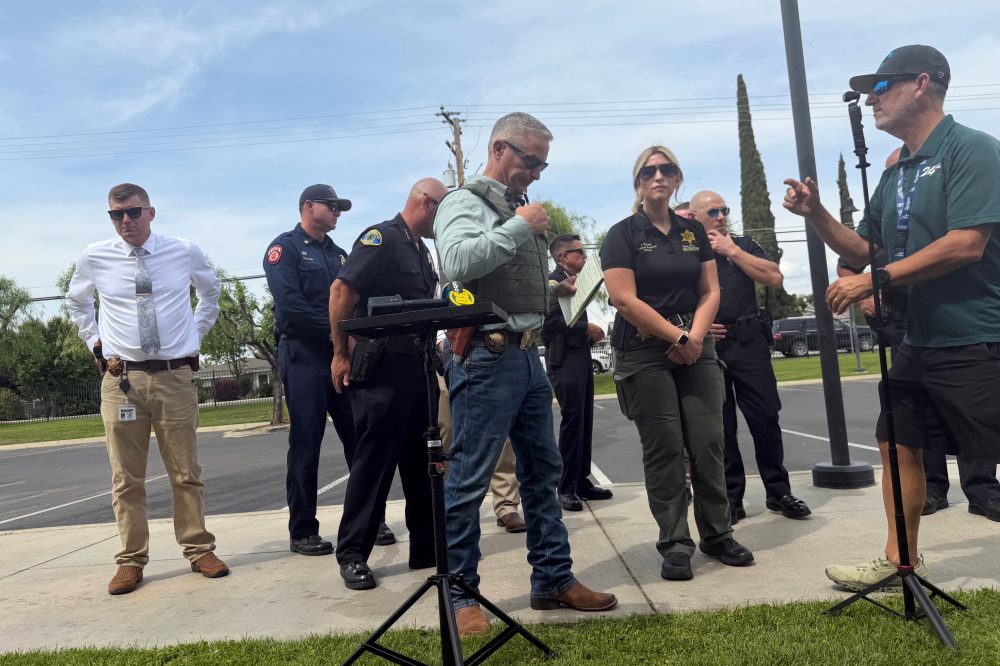 Sheriff’s deputy killed in central California while serving eviction notice
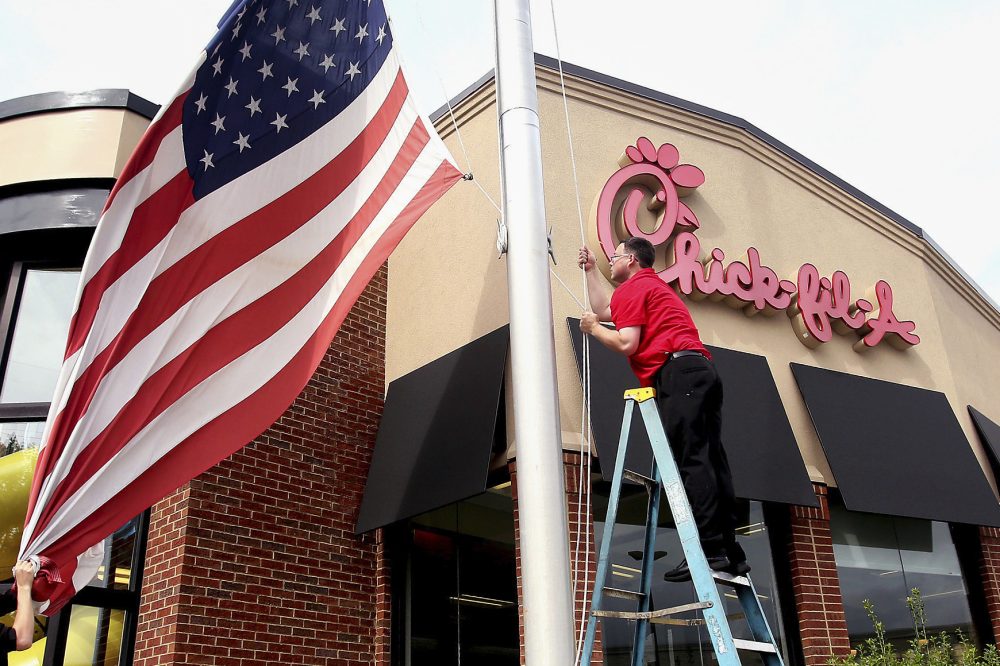 For Chinese visa-seekers in the US, the path to good fortune lies in … Chick-fil-A?
 Beijing calculates its next steps in Iran ceasefire ahead of Trump’s trip to China