
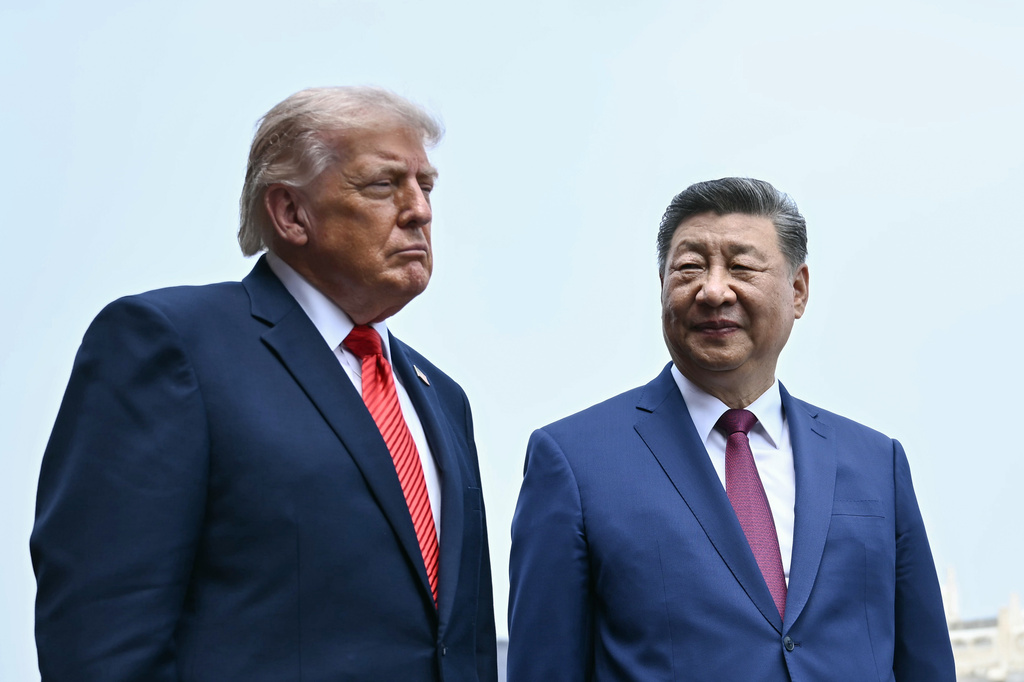
(SRN NEWS) – President Donald Trump is preparing for a high-stakes meeting with Chinese President Xi Jinping, with artificial intelligence expected to be one of the most important issues on the table.
The meeting comes as the United States and China compete for global leadership in artificial intelligence — a race President Trump has repeatedly described in clear terms: Whoever wins AI, wins.
But even as Washington and Beijing compete for technological and economic advantage, both sides face a shared concern: the possibility that advanced artificial intelligence could be used to launch cyberattacks, disrupt critical infrastructure, spread biological threats, or operate beyond meaningful human control.
The Thursday meeting comes after President Trump speaks before the U-N General Assembly tomorrow. Mr. Trump addresses the body at U-N headquarters in New York as the General Assembly convenes its 81st session.
Treasury Secretary Scott Bessent says the United States and China have discussed creating a formal mechanism for AI dialogue. The two sides are also considering a notification system for serious AI-related incidents that could affect national security.
Bessent says Washington wants a shared understanding of common goals — and common threats.
That approach has support from Michael Kratsios, President Trump’s science and technology adviser. Speaking on Fox News, Kratsios said discussions with China are important, particularly when they focus on avoiding risks shared by both countries.
The proposed communication system could allow the United States and China to notify one another if artificial intelligence is involved in a major cyberattack, a dangerous biological incident, a catastrophic model failure, or a threat to essential services.
Chinese experts say Beijing is increasingly focused on similar concerns, including threats to finance, electricity, telecommunications, and transportation systems.
Still, cooperation will have limits.
President Trump has made clear that protecting America’s technological lead is a national priority. The administration is unlikely to relax restrictions on China’s access to the most advanced American computer chips and artificial intelligence technology.
Those export controls are designed to slow China’s ability to build and operate cutting-edge AI systems. China has criticized the restrictions as an attempt by the United States to preserve a monopoly.
But despite the controls, Chinese companies are producing increasingly competitive models. Systems developed by firms including DeepSeek and Moonshot AI have challenged American competitors in some areas, often at a lower cost. China is also investing heavily in domestic chip production.
That progress has added urgency to Washington’s strategy. Supporters of the Trump administration’s approach argue that the United States cannot negotiate from a position of weakness. Maintaining America’s lead, they say, is essential not only for economic growth but also for national security and responsible AI development.
Another point of tension is the American accusation that Chinese companies are using a process known as distillation to extract capabilities from leading U.S. models. Chinese officials reject the accusations and argue that similar techniques are used across the artificial intelligence industry.
The disagreement highlights the difficult balance facing President Trump and President Xi. Both governments may benefit from emergency communication and technical cooperation, but neither wants to surrender a strategic advantage.
For the United States, the message from the Trump administration is straightforward: cooperate where it protects the American people, compete where national security is at stake, and keep America first in the race for artificial intelligence.
The planned Trump-Xi discussions could be an early test of whether limited cooperation is possible without compromising America’s technological edge.
(PHOTO) – FILE – China’s President Xi Jinping, right, and U.S. President Donald Trump visit the Temple of Heaven in Beijing, May 14, 2026. (Brendan Smialowski/Pool Photo via AP, File)
Brought to you by www.srnnews.com
 There’s an easy way to get rid of all the reusable bags piling up in your home
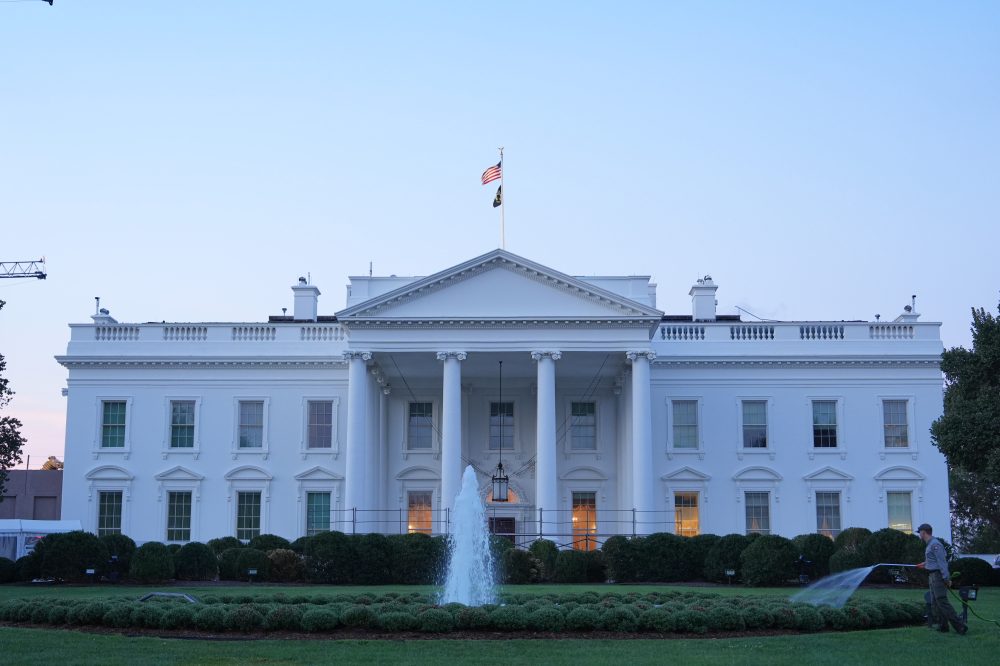 The Latest: CNN, MS NOW and Politico say they’re suing over denied White House access
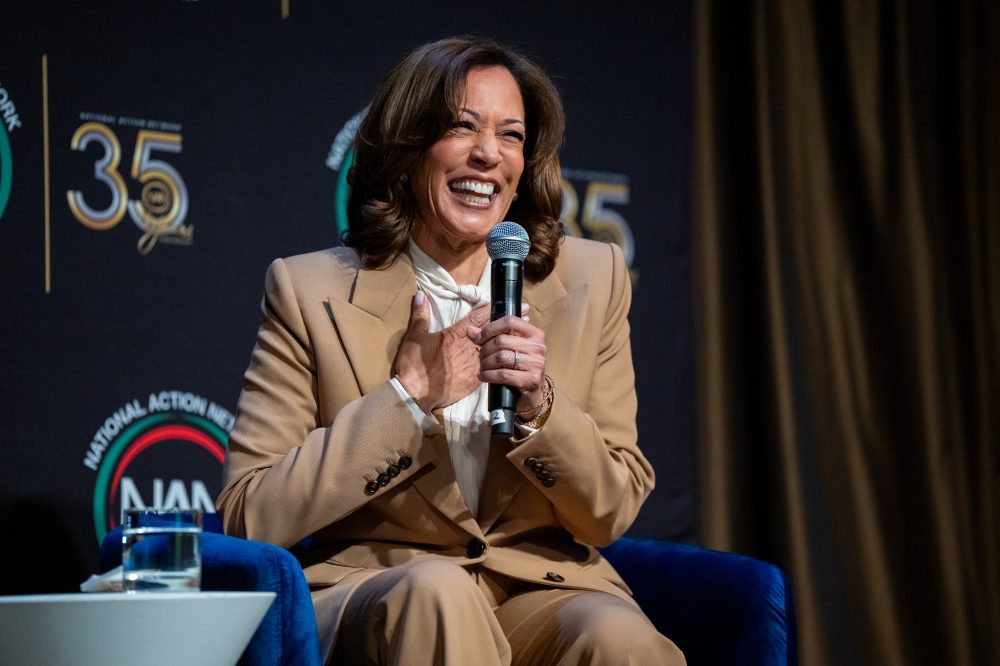 Kamala Harris launches into the 2026 midterms as her 2028 decision looms
 US report says FAA must better address threats to aircraft communication