
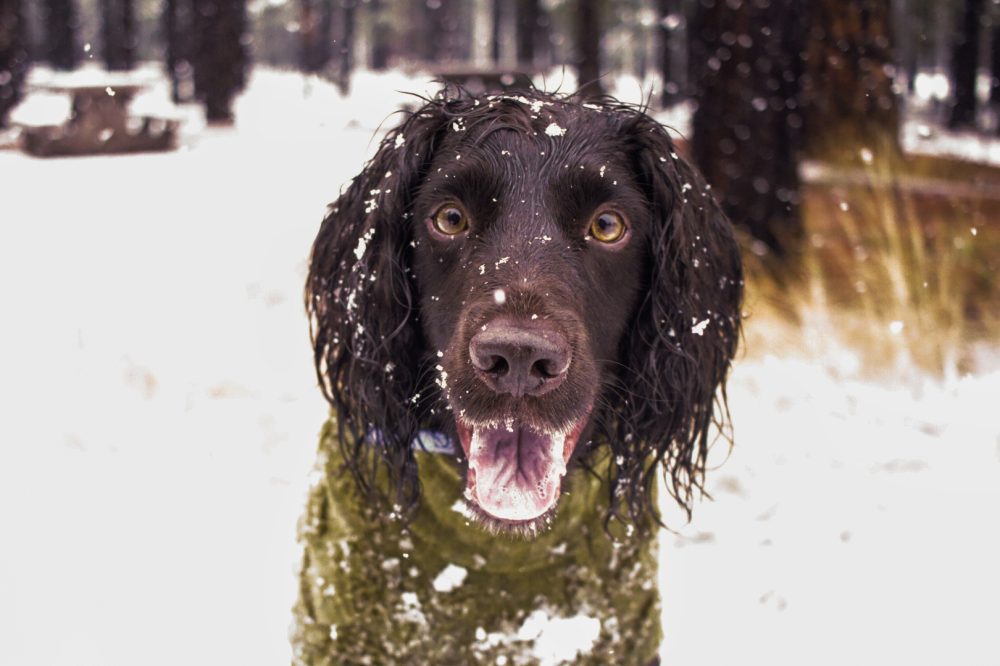
As wintry weather settles in, it brings risks for pets as well as people. Pet owners can take steps to keep their animals warm and safe, including learning about the dangers of extreme temperatures, buying weather-resistant accessories, and stocking up on extra supplies in case of power outages or storms.
“The best time to prepare for weather is before you have that weather,” said Dr. Michael Bailey, president of the American Veterinary Medical Association. “The same thing you would do for children in your house, do for your pet.”
That means understanding the signs of hypothermia and frostbite, avoiding antifreeze and de-icing chemicals, and taking steps to mitigate the effects of snow, rain, wind and ice.
Here are some tips:
It’s not just the Midwest and Northeast that should prepare for freezing weather. Many cities around the U.S. can get cold enough in the early mornings to pose a threat to pets who are smaller, older or have health concerns.
“When you think of dogs, you think, well, they already have a fur coat, so they should be fine in the cold, but that isn’t necessarily true,” said Amy Hrin, with the American Humane Society. It depends on the breed, size and age of the pet, and also temperature and wind chill.
Dogs are at risk of frostbite once the temperature falls below 32 degrees Fahrenheit (0 degrees Celsius), experts say, especially if they are damp or wet, which could leave paws, ears and tails more vulnerable. That is not usually life-threatening, but hypothermia, which often follows, can be deadly if untreated.
Mild hypothermia can begin when dogs’ body temperature drops below 98 F (37 C), according to the American Animal Hospital Association. Signs can include delayed reflexes, or increased heart rate or breathing followed by a slow heart rate or shallow breath. Experts suggest immediate veterinarian care, which includes gradual rewarming efforts.
Another concern is de-icing salts and chemicals, which can burn, dry out or irritate paw pads. They can also cause indigestion if the animal licks its paws. There are pet-friendly options for sidewalk salts, but don’t assume your neighbors or city officials are using those. The American Humane Society says booties, cleaning paws after walks and applying paw balms can mitigate these risks.
Antifreeze is another toxin pets could encounter outside or even in the garage. The smallest amount can cause kidney failure and be fatal, experts warn. Signs include drooling, vomiting, seizures and lethargy.
“The ethylene glycol in it is very dangerous,” said Dr. Paige Andersen, vice president of the American Animal Hospital Association Board of Directors. “One thing I don’t think owners realize is some of those are actually kind of sweet to the taste to dogs. It’s almost enticing to eat.”
Cold shouldn’t limit dogs to indoors-only activities, however. Many breeds, especially the more active and high-energy ones, enjoy winter sports and activities.
Skijoring, for example, combines cross-country skiing with dog mushing; one or two dogs pull the person on skies through the snow. Canicross also puts dogs in the lead, but requires their owners to enjoy running — often at the pace of their pets. For a more relaxed outdoor activity, you can snowshoe with your dog, or maintain regular walks or park visits.
These activities can be enjoyed safely by any dog, experts say. Still, watch for at- or below-freezing temperatures.
Keeping pets’ coats properly maintained can help, but shaving, trimming or having matted coats can hinder animals’ ability to handle cold temperatures, Bailey said.
If it is too cold out, 38-year-old Ally Judkins of Hyde Park, Vermont, tries to entertain her nine dogs and four cats indoors with puzzles, snuffle mats, scent work, indoor race tracks and more. Judkins also runs a boarding and day care facility, a dog rescue and is an animal control officer for the town.
“We have quite a few days in Vermont where between January and March it is below zero and the wind chill could make it feel like 40 below, so there’s not much outside time,” she said. One of her dogs’ favorites is a toy stuffed frozen with yogurt, peanut butter, blueberries or dog food.
“It keeps them busy for at least an hour,” she said.
Experts recommend scavenger hunts, hide-and-seek, learning new tricks, obedience training and other cognitive games to occupy pets left indoors.
Like people, very young and very old dogs struggle to regulate their body temperatures, as do dogs with shorter coats or chronic health conditions like arthritis, Hrin said. That’s where accessories come in.
Dog shoes can prevent slipping, frostbite, puncture wounds from sharp ice or foreign objects, and fungal infections between toe pads. Paw wax and socks also can help keep paw pads from becoming dry, irritated or cracked.
Dog sweaters that are soft and don’t restrict movement can provide warmth, keep fur drier, reduce shedding, and cover healing or irritated skin. Dog jackets provide a little more protection from the elements because they are thicker and made from water-resistant or waterproof materials.
Look for features such as reflective trim and built-in holes for leash attachment.
Does your dog need a sweater or jacket? It depends. Experts say toy and hairless breeds and short dogs whose bellies touch the ground could all benefit from clothes. Besides sweaters, coats and booties, protective gear can mean rain caps to prevent ear infections in floppy-eared dogs — if your pet will wear them.
It can take time for dogs to be comfortable in clothes and other accessories. Dog trainers suggest introducing clothes gradually and maintaining a positive experience.
Some of these safety tips apply to other animals as well, such as cats, birds and livestock.
For reptiles, it is critical to have a heat source, so have a backup option in case the power goes out or the heater breaks down, Bailey said. Pet birds can be sensitive to fumes from fireplaces and generators, so give them adequate ventilation, he said.
Make sure all pets are microchipped, since snow and ice can cover up familiar sights and smells that help them find their way home. And keep all pets secure to avoid dangers like thinly iced bodies of water or covered holes or cliffs.
Standing in water for a prolonged period of time can also lead to dryness and cracking in animals with hooves, so keeping animals in dry conditions is important, Bailey said. Even elevating the ground where they stand by adding some mulch can help keep their feet dry.
The American Humane Society’s farm experts also suggest increasing feeding volume or frequency in cold weather, since livestock tend to burn more calories then, and using heating devices to keep water thawed.
All pet owners should keep an emergency kit with food, water and medication for their animals, Bailey said.
Brought to you by www.srnnews.com
 Kennedy’s vaccine advisory committee meets to discuss hepatitis B shots for newborns
 A quiet corner of Arkansas has become a hot spot for US immigration crackdown, AP finds
 New York Times suing Pentagon over Defense Secretary Pete Hegseth’s new press rules
 FBI makes arrest in investigation into pipe bombs placed in DC on eve of Jan. 6 riot, AP source says