
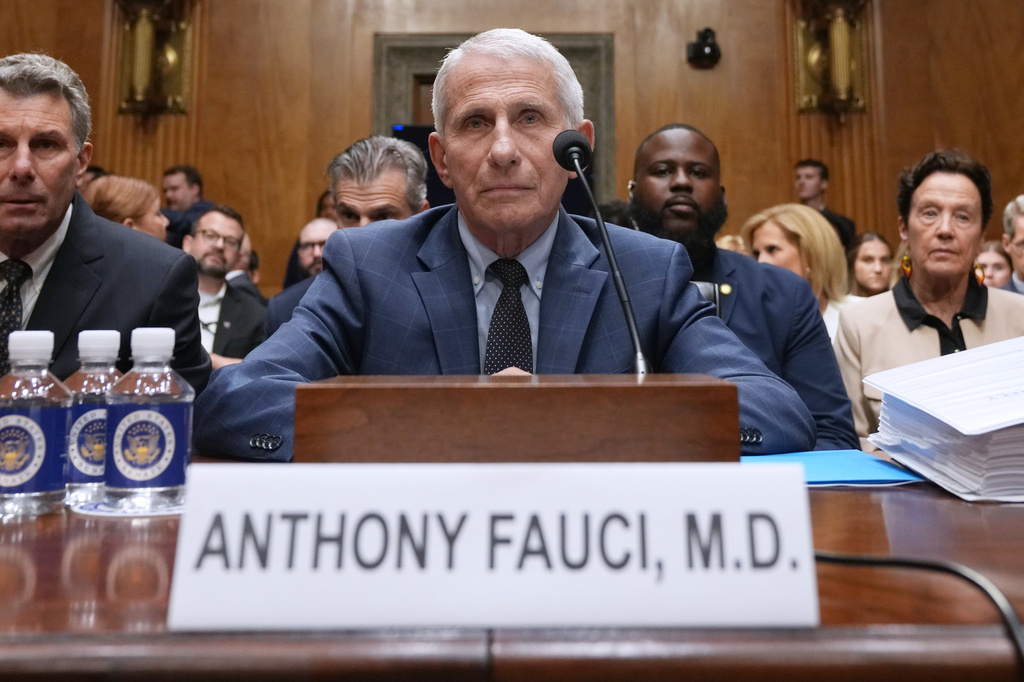
WASHINGTON (AP) —In a move that is likely to inflame an already fractured political battlefield, Dr. Anthony Fauci invoked the Fifth Amendment and refused to answer questions from senators during a Republican-led committee hearing focused on the Trump-era and Obama-era decisions that shaped the COVID-19 response.
The moment injects fresh drama into long-simmering tensions between Fauci and Republican lawmakers, who have argued that his public statements about the origins of COVID-19 and the handling of the pandemic do not match the record. Fauci, a veteran of multiple administrations who helped lead America’s early COVID strategy, denies accusations that he misled the public about how the virus began.
The hearing was set to include live questioning after Republican Sen. Rand Paul—who has clashed repeatedly with Fauci—secured a subpoena and pressed for testimony under oath. Paul has pursued Fauci for years, alleging that Fauci obstructed accountability and may have made statements that could warrant criminal scrutiny. Fauci’s refusal to answer questions sidesteps the immediate question of whether he could face prosecution for potential perjury, at least for now.
But the decision does not resolve the core political conflict. Instead, it heightens it. To many Americans exhausted by pandemic restrictions and the constant partisan blame game, Fauci’s invocation of the Fifth can look like an admission that answers are uncomfortable. Republicans have long claimed that Fauci became a symbol of bureaucratic overreach—mask mandates, school closures, and other policies—while skeptics say he cannot be trusted to explain uncertainties from the earliest days of the crisis.
In his prepared remarks, Fauci accused Paul of being driven less by legitimate oversight than by a personal fixation on legal consequences. “The only conclusion I can reach is that the sole reason he is calling me before this Committee is to prompt me to say something that could vindicate his repeated public pledges that I end up,” Fauci wrote, “behind bars.” He said that, while painful, he was acting on his attorney’s advice by taking the Fifth.
The controversy predates the hearing itself. In the lead-up, Paul released more than 1,000 pages of Fauci’s diary covering the pandemic years. Paul pointed to notes from the early period of the crisis, arguing that what Fauci wrote privately about early uncertainties differs from what he told the public. Fauci supporters say the diary reflects the normal evolution of scientific understanding during a fast-moving outbreak. Critics say it underscores a pattern of shifting explanations—changing narratives as politics, pressure, and public fear intensified.
The hearing’s flashpoint remains the question of COVID-19’s origins and whether government-funded work connected to risky research in China may have played any role. Many scientists maintain the most plausible scenario is natural emergence and spread from animals to people, with the first known cases linked to Wuhan. The lab-leak theory has remained politically charged, but GOP investigators have pushed for accountability regardless of scientific discomfort.
Amid the back-and-forth, more than 150 infectious-disease experts signed a letter urging lawmakers to stop what they called “witch-hunts,” arguing there is no credible evidence for prosecution. Meanwhile, Fauci’s attorney called Paul’s accusations “false and disgraceful,” promising to examine legal options.
The nation now waits for what comes next: more hearings, more subpoenas, and a deeper fight over who controlled the narrative during the deadliest public health emergency in a generation.
PHOTO- Dr. Anthony Fauci appears before the Senate Homeland Security and Governmental Affairs Committee at the Capitol, Wednesday, July 29, 2026, in Washington. (AP Photo/Allison Robbert)
Brought to you by www.srnnews.com
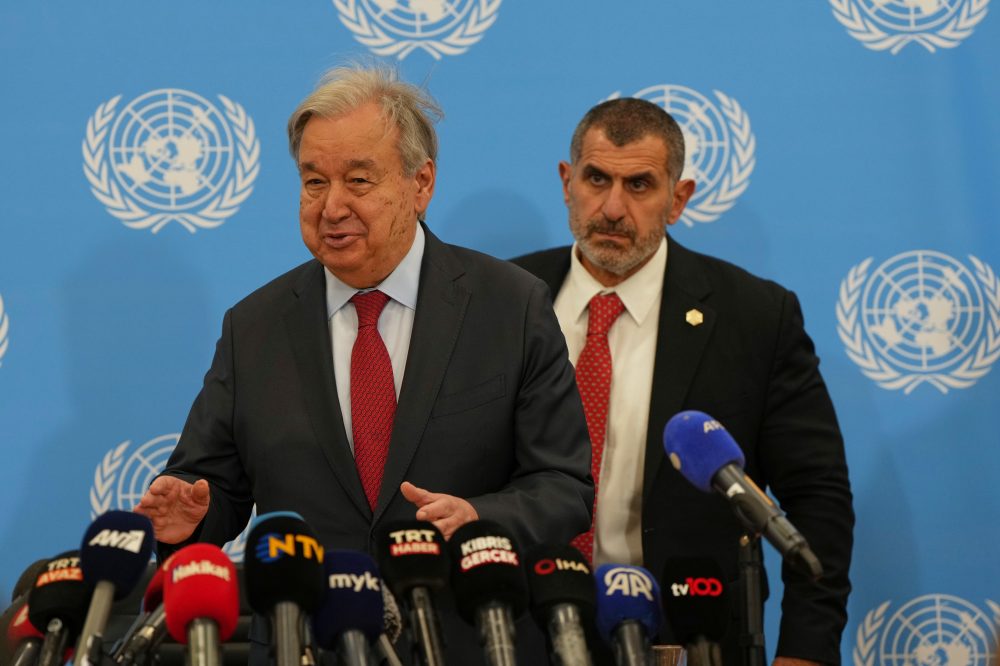 Cyprus’ ethnic split must be resolved to stabilize a tumultuous region, UN chief says
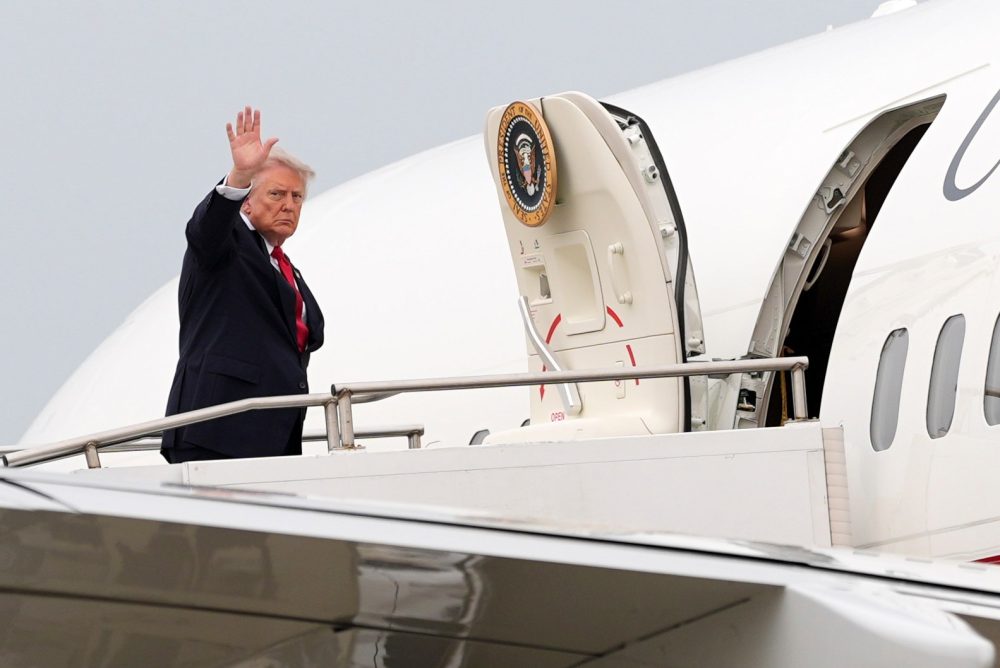
 Trump’s attacks on mail balloting and concerns over delays turn midterms spotlight on Postal Service
 The Latest: Dr. Fauci invokes Fifth Amendment in Republican-led COVID-19 Senate hearing
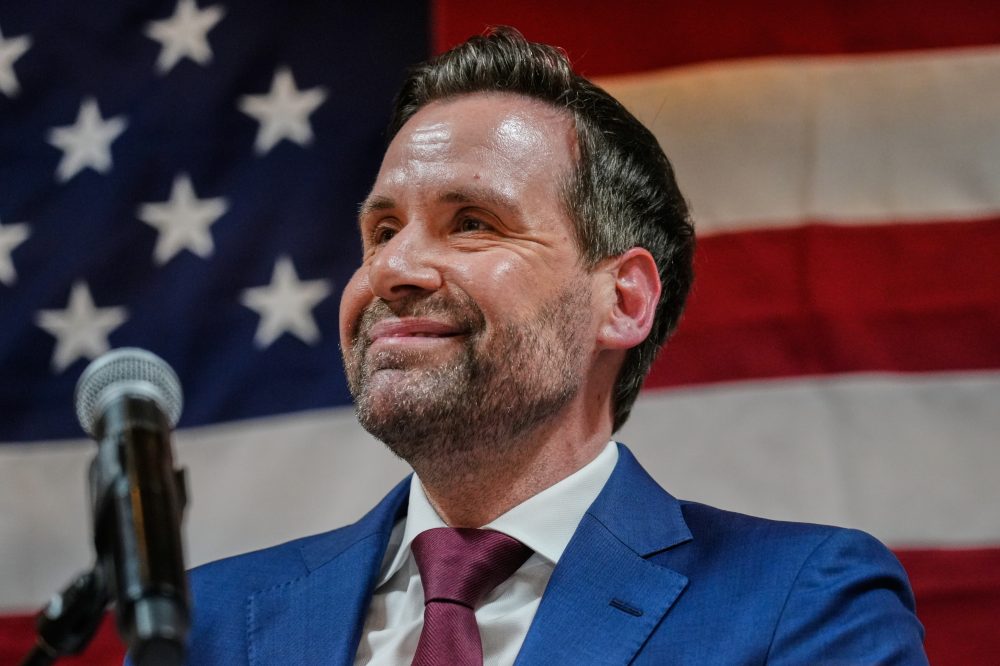 Obama endorses Iowa Democrat Turek for the US Senate in a video of them playing basketball