
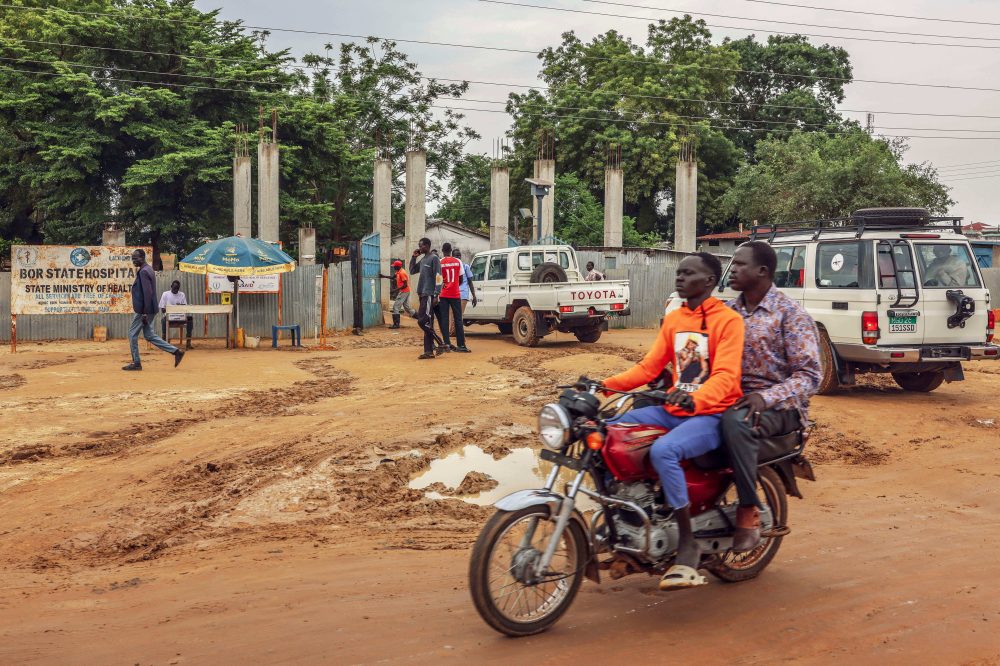
Hundreds of people from South Sudan may be able to live and work in the United States legally, while a federal judge on Tuesday weighs whether President Donald Trump’s move to revoke temporary protected status for immigrants from the East African country was illegal.
The termination was set to take effect on January 6, 2026, at which point the roughly 300 South Sudanese nationals living and working in the U.S. under the program — or who otherwise have pending applications — would be eligible for deportation.
Civil rights groups sued the Department of Homeland Security in late December, writing in a complaint that the change violated administrative procedure and was unconstitutional because it aimed to “significantly reduce the number of non-white and non-European immigrants in the United States” on the basis of race.
The court order written by U.S. District Judge Angel Kelley in Massachusetts temporarily bars the federal government from initiating deportation while the final decision is pending.
“These significant and far-reaching consequences not only deserve, but require, a full and careful consideration of the merits by the Court,” Kelley wrote, adding that the changes could potentially cause irreversible harm to the East African migrants.
DHS blasted the decision in a statement on Tuesday.
“Yet another lawless and activist order from the federal judiciary who continues to usurp the President’s constitutional authority. Under the previous administration Temporary Protected Status was abused to allow violent terrorists, criminals, and national security threats into our nation,” DHS Assistant Secretary Tricia McLaughlin wrote.
Temporary protected status is granted to foreign nationals from countries devastated by war or natural disaster. Successful applicants must already reside in the U.S. and pass extensive background checks and vetting through DHS.
Without providing evidence, McLaughlin claimed there is “renewed peace in South Sudan” and pointed to “their demonstrated commitment to ensuring the safe reintegration of returning nationals, and improved diplomatic relations.”
“Now is the right time to conclude what was always intended to be a temporary designation,” McLaughlin wrote.
According to U.N. experts, “Years of neglect have fragmented government and opposition forces alike,” the panel said, “resulting in a patchwork of uniformed soldiers, defectors and armed community defense groups.”
South Sudanese people were made eligible for temporary protected status in 2011. The East African’s embattled government still struggles to deliver many of the basic services of a state. Years of conflict have left the country heavily reliant on aid, which has been hit hard by the Trump administration’s sweeping cuts in foreign assistance. Many South Sudanese people face hunger, and this year a hunger monitor said parts of conflict-hit South Sudan were heading toward famine conditions.
“I don’t know how DHS can say with a straight face that it’s safe for South South Sudanese TPS holders to return to South Sudan when their own State Department, albeit another government agency, says is not safe to travel there,” said Dorian Spence, litigation coordinator Communities United for Status and Protection, one of the groups that filed the December 22 lawsuit.
“This is only one prong in their multi-pronged attack into making America whiter,” Spence added, noting Trump’s willingness to accept white South Africans as refugees.
Critics of the Trump administration in South Sudan said that the move was political retaliation for South Sudan’s decision to stop accepting deportees from the U.S. as part of a program to deport migrants to third countries. At least eight men were deported to South Sudan from the U.S. earlier in the year.
“This has angered the Trump administration (and) the Trump administration has reached this decision now, where it is ending protections available for South Sudanese who fled the war,” he said.
The Trump administration has attempted to withdraw various protections that have allowed immigrants to remain in the U.S. and work legally, including ending temporary status for hundreds of thousands of Venezuelans and Haitians who were granted protection under President Joe Biden.
Protected status for immigrants from Ethiopia, Cameroon, Afghanistan, Nepal, Burma, Syria, Nicaragua and Honduras is also in jeopardy.
—
Kramon contributed to this report from Atlanta and Riddle from New York.
Brought to you by www.srnnews.com
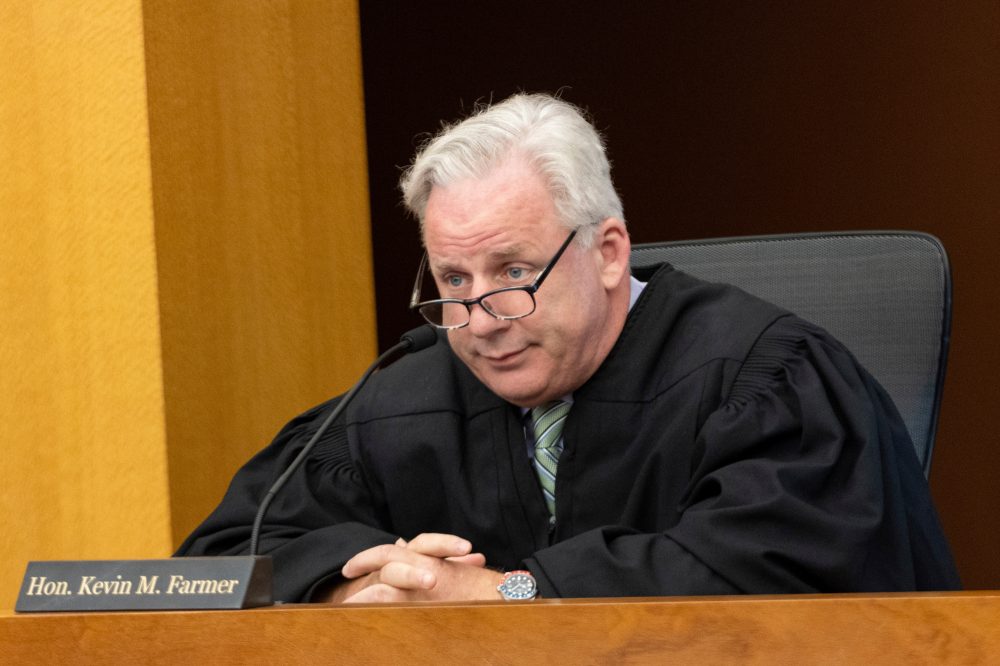 Georgia judge tosses landmark racketeering charges against ‘Cop City’ protesters
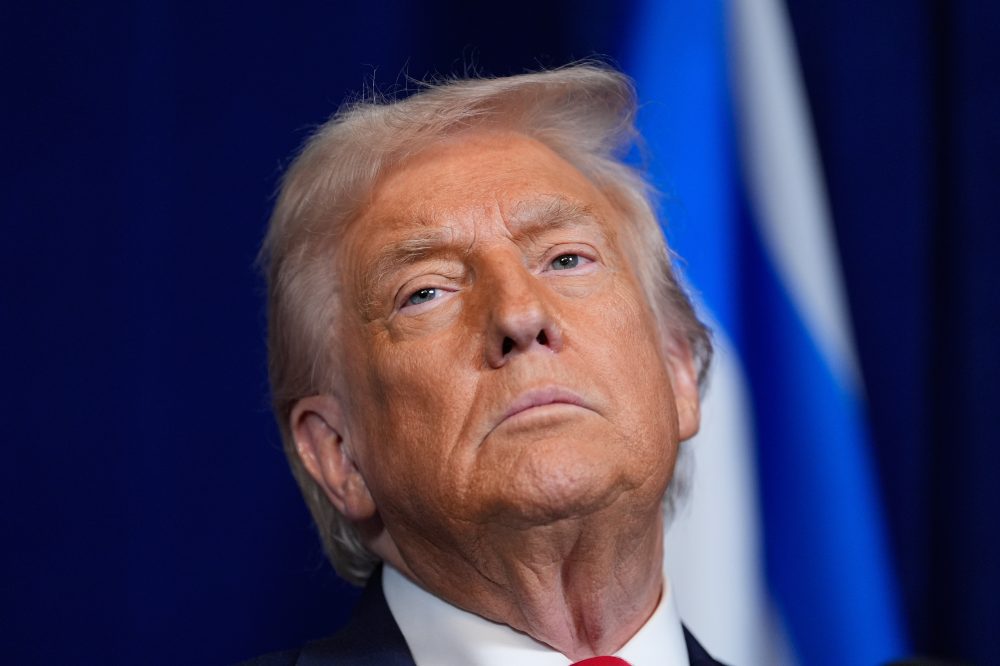 CIA behind strike at Venezuelan dock that Trump claims was used by drug smugglers, AP sources say
 Trump issues first second-term vetoes for Colorado water project and Florida tribal measure
 Former Republican Sen. Jon Kyl of Arizona announces dementia diagnosis