
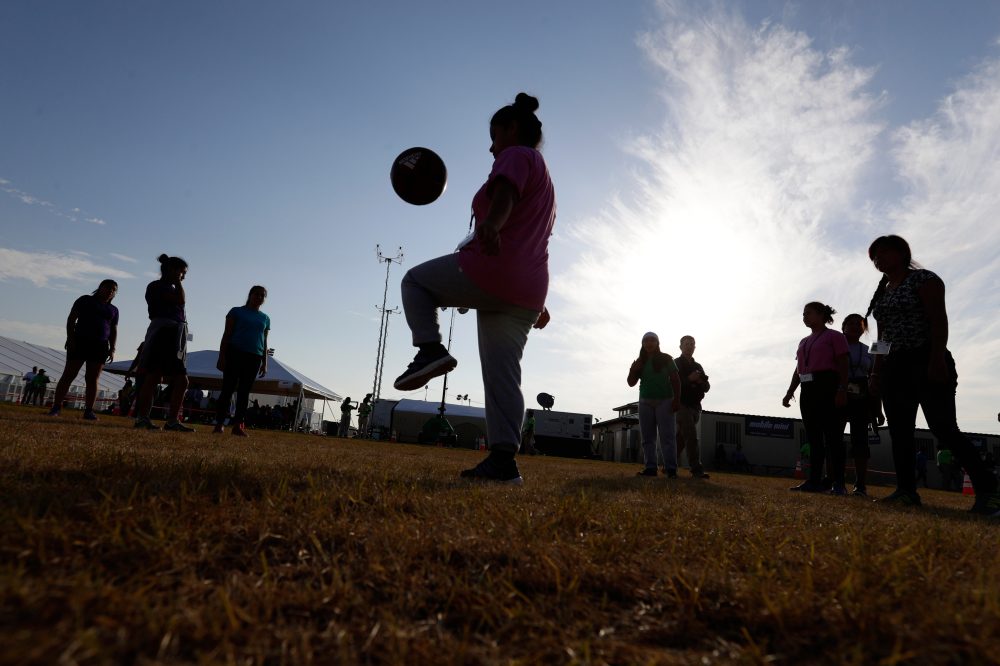
McALLEN, Texas (AP) — Legal advocates filed a motion Tuesday seeking to stop U.S. Customs and Border Protection agents from urging immigrant children entering the country without their parents to voluntarily deport themselves under a federal policy introduced last year.
Border agents who arrest unaccompanied immigrant children who enter the country illegally are required by the Trafficking Victims Protection Reauthorization Act of 2008 to send them to a federal shelter under a different agency, the Office of Refugee Resettlement. At the shelters, children have access to attorneys and an immigration judge, and they can talk to their parents over the phone before they agree to self-deport or seek other options.
The new policy introduces the self-deportation option before children enter the shelter, a practice that started in September 2025, according to testimony from CBP officials filed in the lawsuit.
If children decline to voluntarily return, the policy threatens to detain them for long periods of time, arrest and prosecute their adult sponsors living in the U.S., and bar them from applying for a visa in the future, legal advocates said in Tuesday’s motion.
The attorneys, representing Guatemalan children following the government’s unsuccessful attempt to deport dozens of them in a haphazard overnight flight in August, say the policy violates a current injunction in place. The injunction prohibits the government from deporting any Guatemalan unaccompanied minors unless they have gone through some immigration court proceeding.
The attorneys are also asking the judge to expand the injunction to cover children from other countries, excluding Mexico and Canada.
CBP did not immediately respond to an email seeking comment.
Some children told attorneys that agents threatened, yelled and coerced them into signing documents they did not fully understand, sometimes due to language barriers.
One girl said an agent forcefully convinced her to sign the papers after she had hurt her leg in a car crash and denied medical treatment.
“I thought I had to sign, but I didn’t know why or what for,” she said in a written declaration filed with the court.
Mishan Wroe, an attorney with the National Center for Youth law, said these minors are not afforded the opportunities granted to them under federal law.
“It’s plainly coercive to threaten children with prolonged detention while they are scared and not given the opportunity to speak to counsel or their family before they make a decision that has grave implications for their future,” Wroe said Tuesday.
Michael Julien, a CBP official, wrote in his declaration filed with the court Tuesday that agents only present the self-deport option to some unaccompanied children crossing illegally, and that it is an option presented orally, not in writing.
Attorneys found 13 cases in South Texas where children were subjected to the new policy, but they believe there are more.
“We believe that this is happening to many, many more children and that the 13 that are mentioned in our motion are just those that kind of slipped through the cracks,” Kate Talmor, senior counsel at the Institute for Constitutional Advocacy and Protection.
She said attorneys were only able to find out and intervene on behalf of the 13 children because even though they signed documents to return to their country under CBP custody, a flight was not found in time and they were sent to a shelter.
The federal government will have two weeks to file their opposition and then the judge can determine to intervene and stop the policy from being enforced on Guatemalan children and whether to expand the protection to children from other countries.
Brought to you by www.srnnews.com
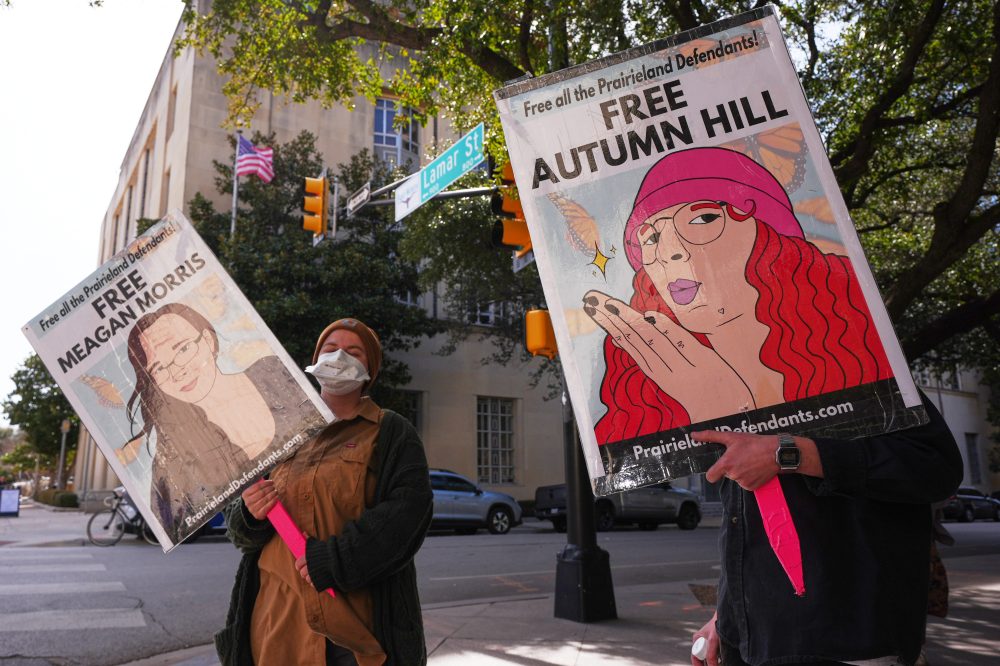 Trial begins for group accused of antifa links in shooting at Texas immigration detention center
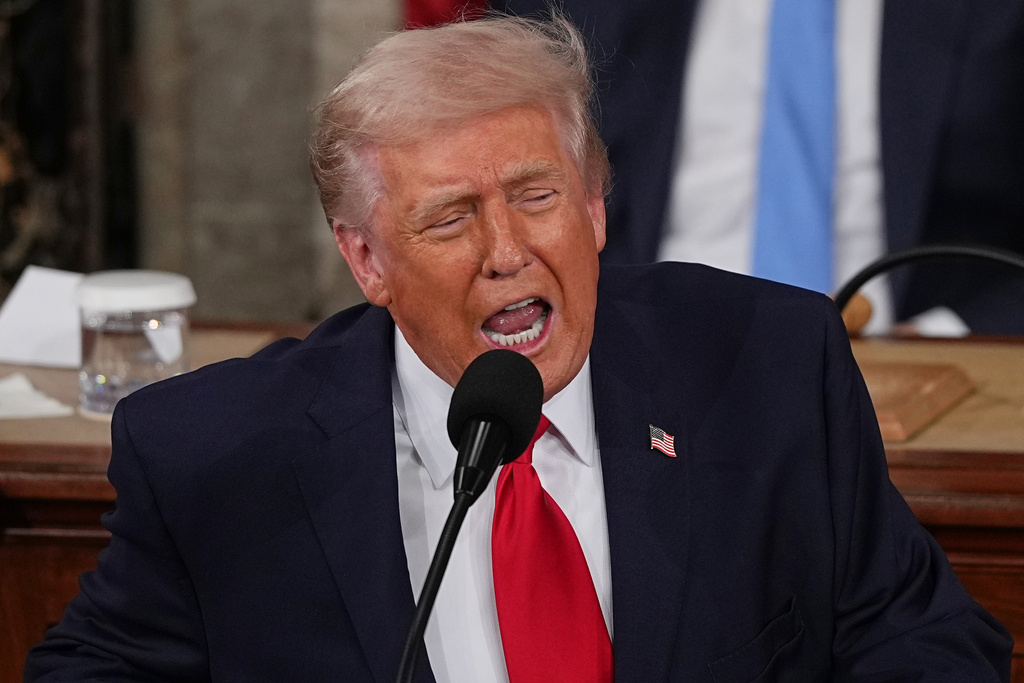 ‘We’re winning so much.’ Trump pronounces during his State of the Union Address
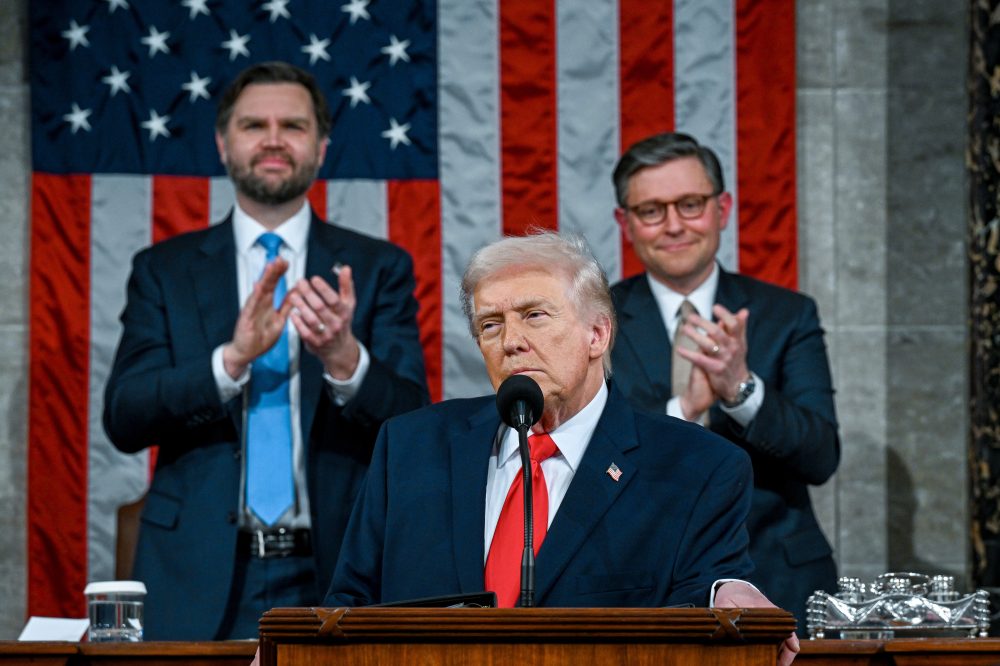 Photos of President Donald Trump’s State of the Union address
 Takeaways from Trump’s State of the Union address to Congress