
WASHINGTON (AP) — Uncertainty swirled Friday around what the U.S. called a tentative deal to extend the ceasefire in its war with Iran. It wasn’t clear whether U.S. President Donald Trump supports it, and a top Iranian official said his country wins concessions “through missiles,” not talks.
U.S. Vice President JD Vance said Thursday the adversaries had reached a tentative agreement. But he said they continued to debate “a couple of language points” and he couldn’t say whether Trump would approve the proposal.
Iranian Parliament Speaker Mohammad Bagher Qalibaf said Friday on X that his country has “no trust in guarantees or words,” only actions, and “no step will be taken before the other side acts.”
“We do not gain concessions through talks, but through missiles. In negotiations, we only make them understand that,” wrote Qalibaf, who was involved in negotiations in Qatar this week. He added: “The winner of any agreement is the one who is better prepared for war the day after it is signed.”
According to a U.S. official familiar with the matter, the tentative agreement would continue the ceasefire in the 3-month-old war by 60 days and start a new round of talks on Iran’s nuclear program.
Among the first issues to be negotiated during the 60-day ceasefire would be what will happen to Iran’s highly enriched uranium, said the official, who was not authorized to comment publicly and spoke on condition of anonymity. The Islamic Republic has 440.9 kilograms (972 pounds) of uranium that is enriched up to 60% purity, a short, technical step from weapons-grade levels of 90%, according to the International Atomic Energy Agency.
Vance said Thursday evening that the sides were going back and forth on “a couple of issues on the nuclear stuff, the highly enriched stockpile, and also the question of enrichment.” The vice president suggested negotiators were trying to strike general terms on the uranium issue in the tentative agreement, with the specifics to be hammered out in the ensuing talks.
Though Trump and his team said from the start of the conflict that one of their prime objectives was to ensure that Iran can never have a nuclear weapon, Vance framed the war’s accomplishments as something far less definitive.
“We’re in a position where we could substantially set back their nuclear program, not just during the term of this president but over the long term,” Vance said. “That’s a very very good thing for the American people.”
Iran, which has long maintained its nuclear program is peaceful, has not publicly committed to giving up the stockpile. It is believed to be buried under a trio of nuclear sites that were badly damaged by U.S. airstrikes last year.
Nuclear analysts have said that Iran might consider China or Russia, which have close relations with Tehran, to be a potential acceptable third party to take possession of the enriched uranium. But Trump said Wednesday that he “wouldn’t be comfortable” with such a plan.
The proposed memorandum makes clear that Iran will not be able to impose tolls on the Strait of Hormuz and that Iran will have to remove all mines from the vital waterway within 30 days, according to the official who spoke on condition of anonymity.
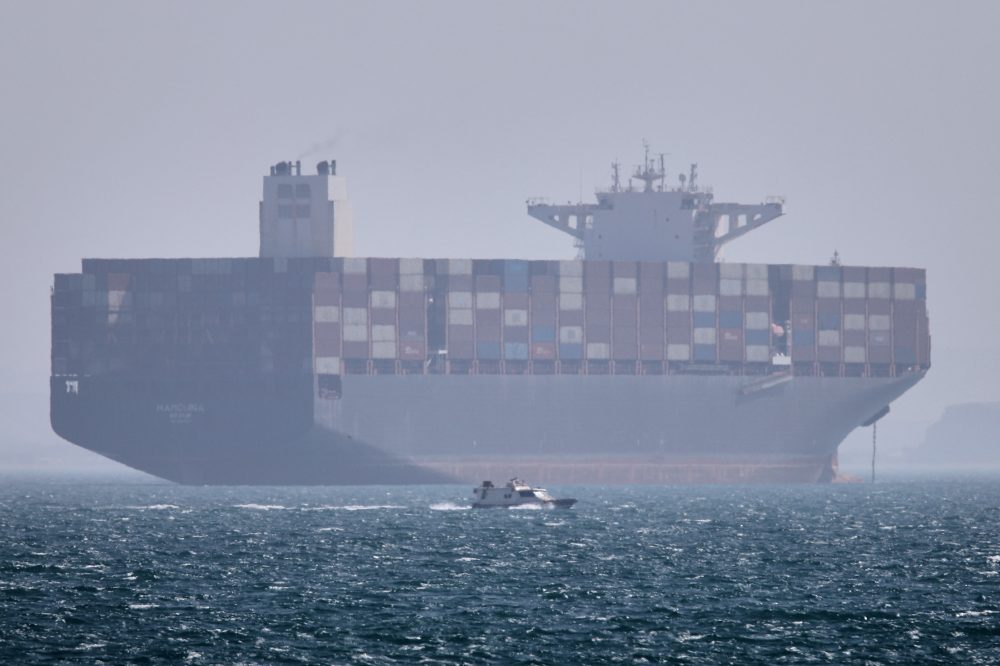
During the war, Iran has effectively closed the strait, which had been the conduit for about a fifth of the world’s traded oil and natural gas. Its closure has sent oil prices skyrocketing around the world.
Iran has said it’s letting some commercial vessels pass — about two dozen daily in recent days, compared with more than 100 a day before the war. But the Islamic Republic also has charged tolls for at least some ships and established a formal gatekeeper agency earlier this month, spurring a new round of U.S. sanctions this week.
Under the tentative agreement, the U.S. would gradually lift its naval blockade on Iranian ports and would also agree to relax sanctions, allowing Iran to sell more of its oil.
Yet even as word of the potential deal emerged, the U.S. Treasury Department imposed additional sanctions on the Iranian military’s oil sales arm. The new penalties, first reported by The Associated Press, extend the Trump administration’s economic pressure campaign on the Islamic Republic.
Iran has insisted that any deal must include an end to Israel’s military operations in Lebanon against the Iranian-backed militant group Hezbollah. Tensions deepened Thursday in Lebanon as Israel conducted an airstrike on a southern suburb of the capital, Beirut, and other strikes in the southern coastal city of Tyre. At least 14 people were killed across the country’s south.
Since the ceasefire began about seven weeks ago, the U.S. and Iran have traded strikes and accusations of ceasefire violations. But they have not returned to full-scale hostilities and have kept negotiating.
___
Associated Press writers Jennifer Peltz and Farnoush Amiri in New York contributed to this report.
Brought to you by www.srnnews.com
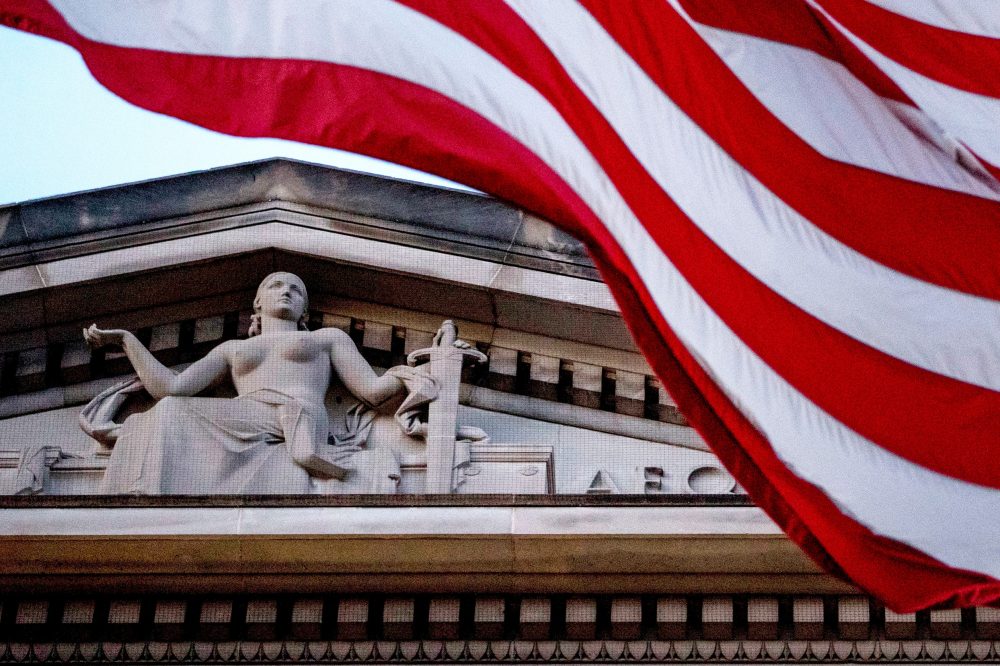 Judge temporarily blocks payouts from Trump’s $1.8B ‘anti-weaponization’ settlement fund
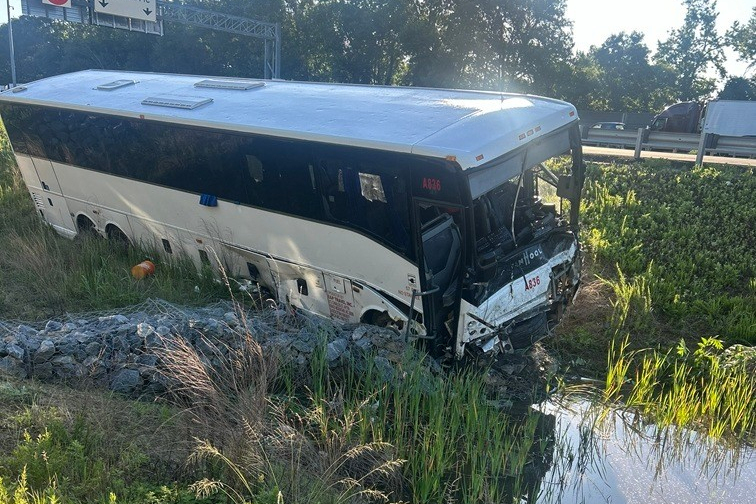 Bus hits cars in Virginia, killing 5 people and injuring 34, state police say
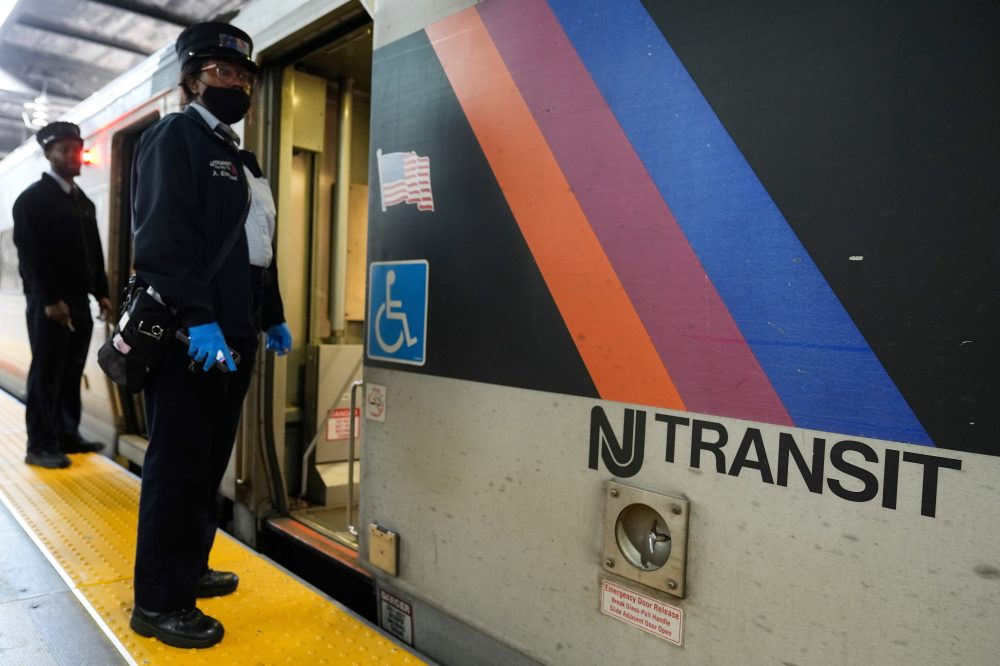 Rail car fire near New York’s Penn Station injures 5, snarls morning commute, train service delayed
 The Latest: Judge temporarily blocks payouts from Trump administration’s ‘anti-weaponization’ fund