
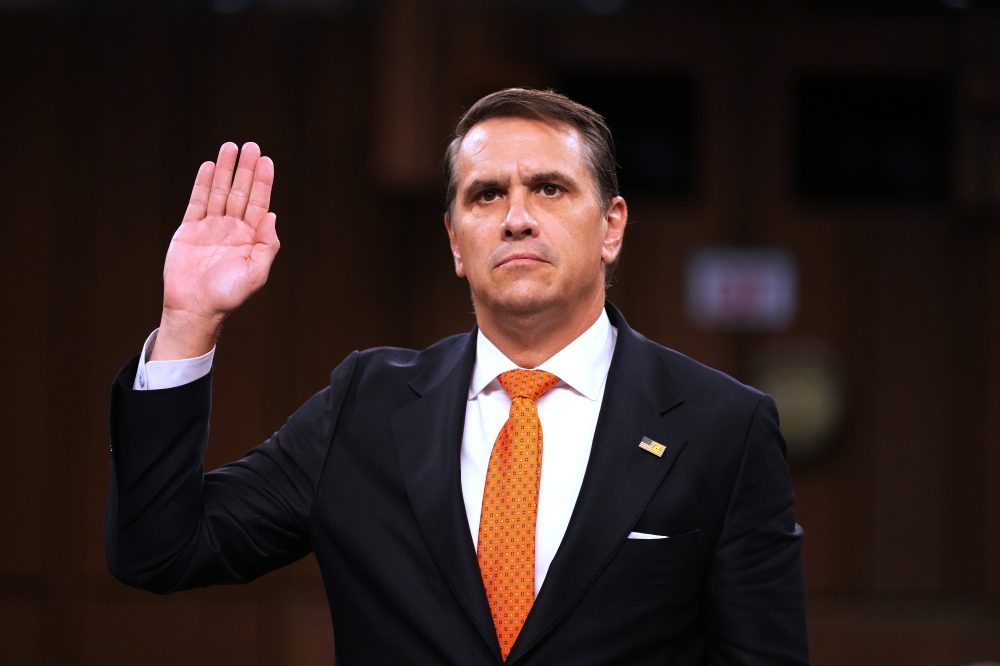
WASHINGTON (AP) – The Senate Judiciary Committee is poised to vote Tuesday to advance acting Attorney General Todd Blanche’s nomination to lead the Justice Department, following intense pressure from Republican senators who insisted the Trump administration settle lingering legal questions in writing. The development comes after a late Sunday agreement that averted a potential confirmation showdown and kept the nomination moving toward the full Senate.
Blanche, a former federal prosecutor and longtime participant in President Donald Trump’s legal defense, now stands at the center of a high-stakes debate over whether the Justice Department can operate independently and fairly—without becoming a tool of political retaliation. Supporters argue Blanche is exactly the kind of experienced prosecutor the country needs at the helm. Critics, however, are warning that recent actions and past rulings could signal a broader pattern of politicization.
The committee vote follows a deal between Blanche and GOP Sens. John Cornyn of Texas and Thom Tillis of North Carolina, two senators who had threatened to block advancement of Blanche’s nomination unless they received written assurances addressing the settlement of Trump’s lawsuit against the Internal Revenue Service over leaked tax returns.
Cornyn and Tillis said they would not support the nomination without confirmation that the Justice Department was not proceeding with a major proposed compensation mechanism tied to the settlement—specifically, a $1.8 billion fund intended to pay Trump allies who believe they were treated unfairly or prosecuted for political reasons. The senators required clarity because the settlement had been announced in a way that suggested such a fund might exist, raising concerns among Republicans who want accountability while also insisting on constitutional limits on government action.
The critical moment came Sunday evening, when Blanche issued an order declaring, “beyond any doubt, that there is no Fund.” The order states that since the settlement was announced, “no Members were appointed; no funds were transferred; no process for receiving claims was established; no claims were paid.” In other words, the Justice Department’s position is that there is no active scheme to distribute large sums in the name of settling alleged wrongdoing—at least not in the manner previously described.
The deal also resolved a second key dispute raised by Cornyn and Tillis: whether portions of the settlement effectively create immunity from tax audits for Trump and his family members. Under the written clarification, the Justice Department explained that any audit immunity agreement applies only to claims that were already open at the time of the settlement. It does not extend protection to future tax filings. The clarification also specifies that the agreement covers only the parties that brought the lawsuit—Trump, two of his sons, and the Trump Organization—not a broader set of individuals.
Republican senators pushing for the written assurances have framed their demands as straightforward oversight. They have argued that if government agreements create consequences, those consequences must be limited, well-defined, and not subject to later reinvention by an administration seeking advantage. That is a core conservative instinct: rules must be clear, and legal commitments cannot be quietly expanded after the fact.
Still, Democrats say Blanche’s order falls short. They argue it does not permanently prevent the administration from reviving the fund after Blanche is confirmed and have called for legislation to permanently bar it.
The broader confirmation fight is not limited to the IRS settlement. Blanche has faced scrutiny about whether he can maintain independence from the White House.
Supporters, meanwhile, contend that Blanche’s background makes him well-suited to lead a department that must enforce the law regardless of party affiliation. They argue that a Justice Department led by a politically attuned prosecutor is not automatically improper—especially when investigations are based on legal standards and evidence rather than ideology.
The confrontation over Trump’s $10 billion lawsuit against the IRS has been central to the nomination’s near derailment. The lawsuit was criticized as unusual because President Trump challenged an agency overseen by the executive branch he leads.
Blanche’s résumé includes extensive experience in the federal system. He arrived at the Justice Department last year as deputy attorney general and later became acting attorney general after Attorney General Pam Bondi failed to meet Trump’s demands to successfully prosecute perceived political opponents. Blanche has insisted he was not auditioning for the permanent role, though opponents argue that is the case.
As the Tuesday vote approaches, the core question remains: can the Justice Department navigate political controversy while upholding the rule of law? For conservatives, the path forward must preserve both accountability and fairness—clear written commitments, limited legal scope, and a prosecution strategy grounded in evidence rather than vendetta. For Democrats, the stakes are whether the administration can be trusted.
It appears the nomination is now moving—after Republicans insisted on written guarantees that the Justice Department is not maintaining the appearance of a $1.8 billion fund and that any tax audit protections are narrowly limited. The Senate Judiciary Committee’s vote Tuesday will determine whether Blanche’s nomination advances—and whether the final showdown over the future of the Justice Department becomes a broader referendum on the balance between justice and politics in America.
Brought to you by www.srnnews.com
 South Korean students detained for allegedly breaking into US military base
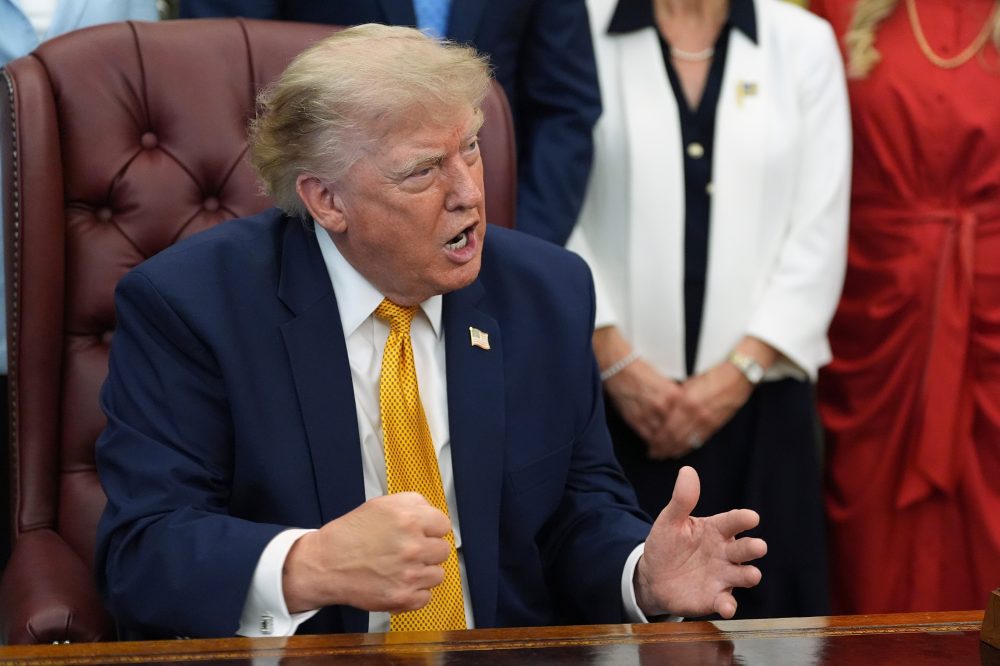 The Latest: Blanche’s assertion of Trump tax audit immunity remains in place
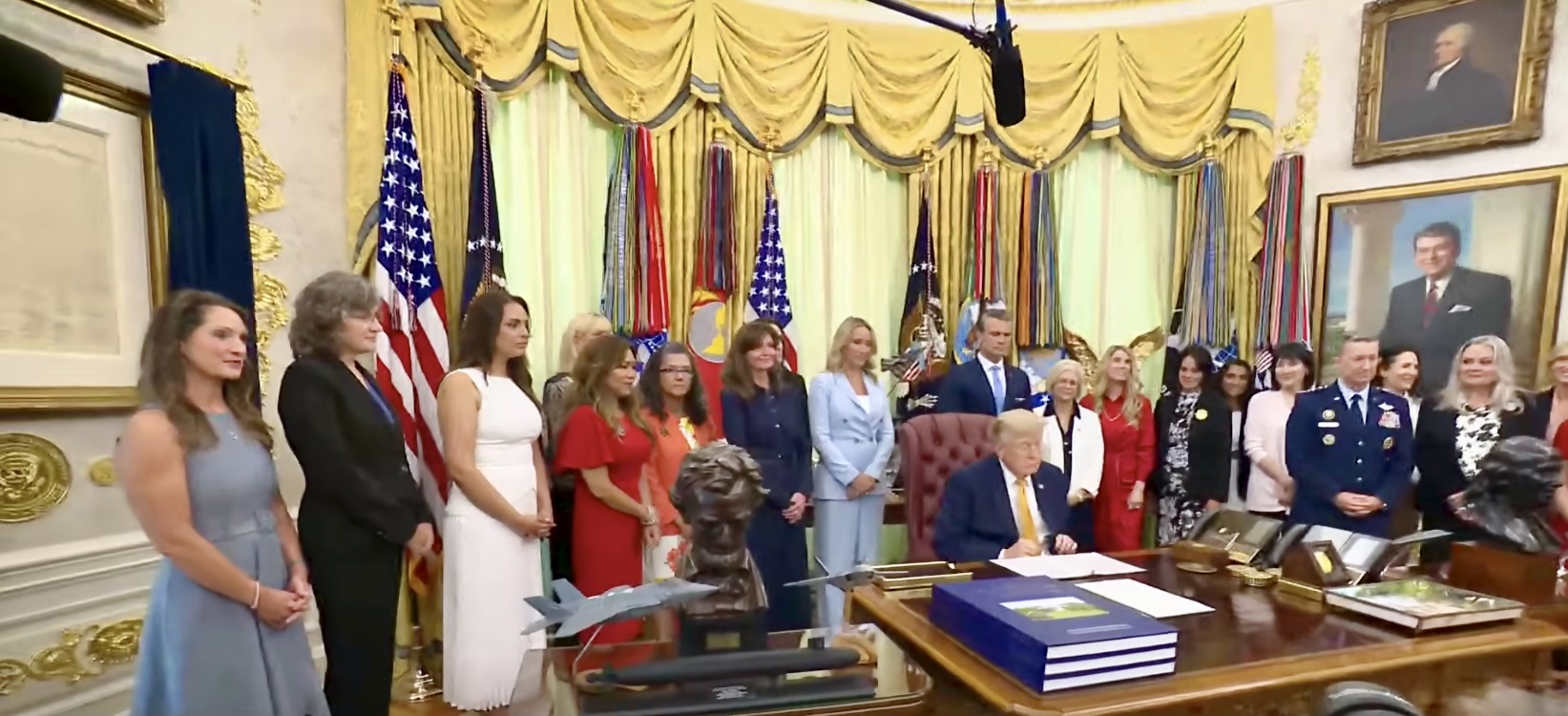 Trump is making a rare Western trip to talk about the economy (VIDEO)
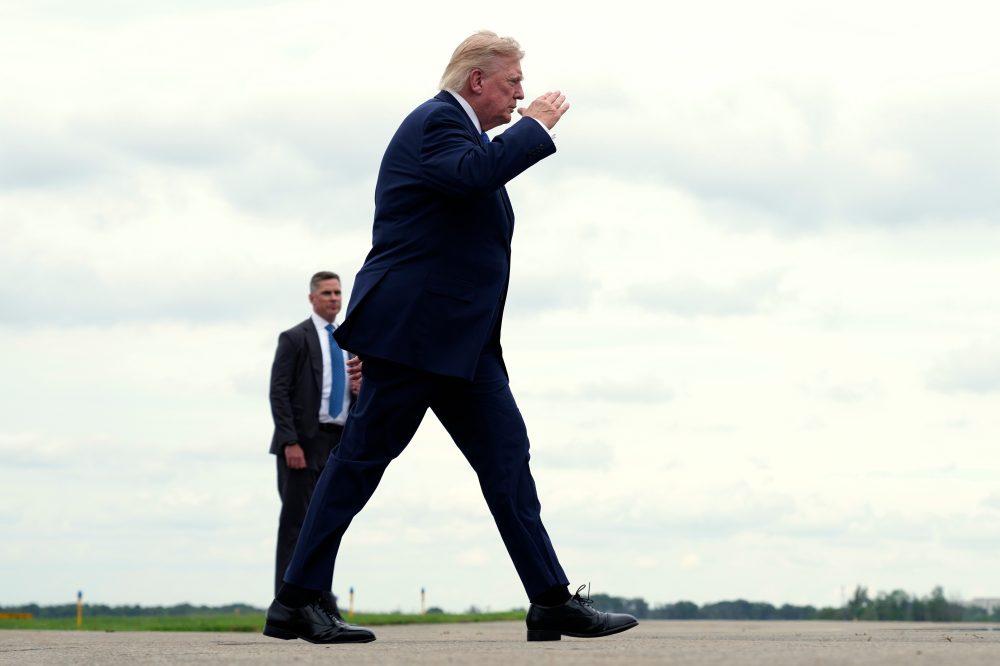 Trump is making a rare Western trip to talk about the economy, something polls show he’s weak on