
By Steve Gorman
April 22 (Reuters) – Thousands fewer young Americans than expected took their own lives during the first two-and-a-half years following the launch of a national “988” suicide-prevention hotline in the U.S., according to a Harvard-based study published on Wednesday.
Researchers also found that reductions in expected suicide deaths among adolescents and young adults were greatest in the 10 states with the highest traffic in 988 calls during the study period, which ran from July 2022 through December 2024.
The findings support the premise, advocated by mental health professionals, that simplifying access to the suicide hotline by providing a national three-digit 988 shortcut to call or text the service – replacing the earlier 10-digit toll-free number – saves lives.
The results were published in the Journal of the American Medical Association.
Overall contacts with the National Suicide Prevention Lifeline more than doubled in the first three years since the 988 shortcut went live in 2022, along with $1.5 billion in investments to expand crisis-center workforce and capacity across the country. Adolescents and young adults accounted for a disproportionately higher share of hotline usage, JAMA-cited data shows.
SUICIDE PROJECTIONS LOWER THAN ACTUAL TALLIES
The latest study analyzed quarterly suicide deaths recorded among individuals aged 15 to 34 in the National Vital Statistics System for 1999-2022, and used that data to model what suicide mortality would likely have been from July 2022 through December 2024 absent the 988 service.
Those projections were then compared with actual suicide mortality figures for the study period.
Researchers found that 35,529 Americans aged 15-34 took their own lives during that 2-1/2-year period, down 4,732, or 11%, from the projected total, a reduction that authors of the study called “significant.”
Suicide mortality among people aged 65 and older also dropped, but less sharply, by 4.5%, the study found.
Researchers also pointed to data warning that sustained access to suicide and crisis services depends on “continued investment,” and that existing funding levels will likely fall short of meeting demand in nearly half of all U.S. states.
They also noted that a specialized 988 service tailored for young LGBTQ adults, who previously accounted for 10% of all 988 hotline contacts, was eliminated by the Trump administration last summer, “potentially dissuading their use” of the hotline.
WHY THE 988 NUMBER EXISTS
The advent of 988 came as U.S. suicide rates surged in the years prior to the hotline being established. More than 516,000 people took their own lives between 2014 and 2024, according to the Kaiser Family Foundation, a nonprofit health policy organization, with guns accounting for more than half of all suicides.
As of last July, the 988 hotline had received 16.5 million contacts since its launch, including 11.1 million calls, 2.9 million texts and 2.4 million chats, Kaiser reported.
Wednesday’s JAMA study was led by the Harvard Medical School in collaboration with Brigham and Women’s Hospital and Massachusetts General Hospital in Boston, and the National Bureau of Economic Research in Cambridge, Massachusetts.
In related findings, the Crisis Text Line, a San Francisco-based nonprofit providing free text-based mental health support said on Wednesday that it received more than 1.5 million texts last year.
That averages out to one text message every 20 seconds, the highest volume in the Crisis Text Line’s 12-year history, surpassing the height of the COVID-19 pandemic, the organization said.
(Reporting by Steve Gorman in Los Angeles; editing by David Gaffen)
Brought to you by www.srnnews.com
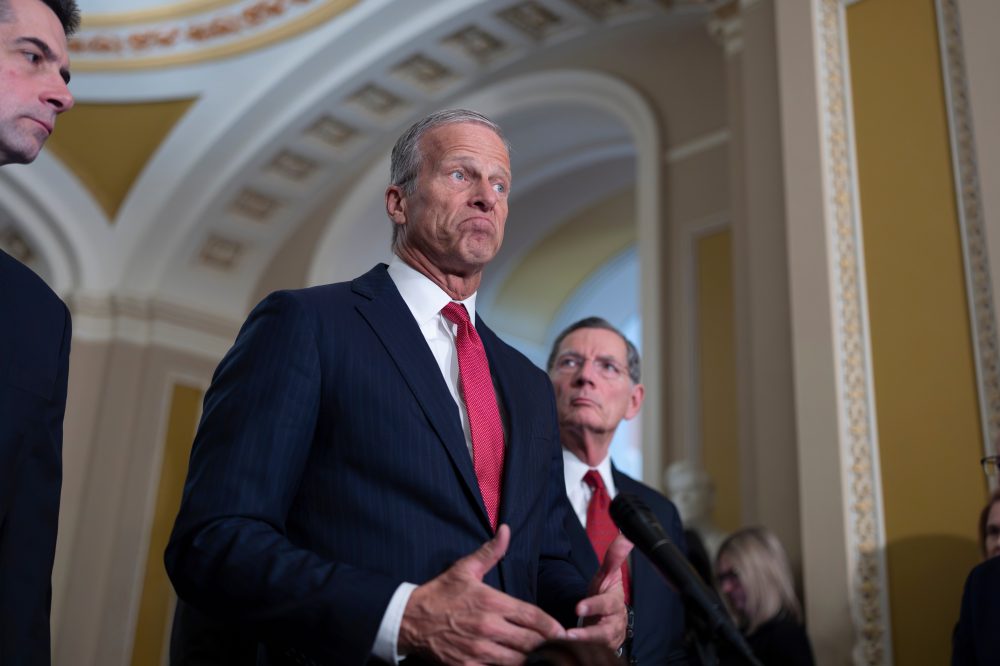 Senate works into the night in latest effort to reopen Homeland Security Department
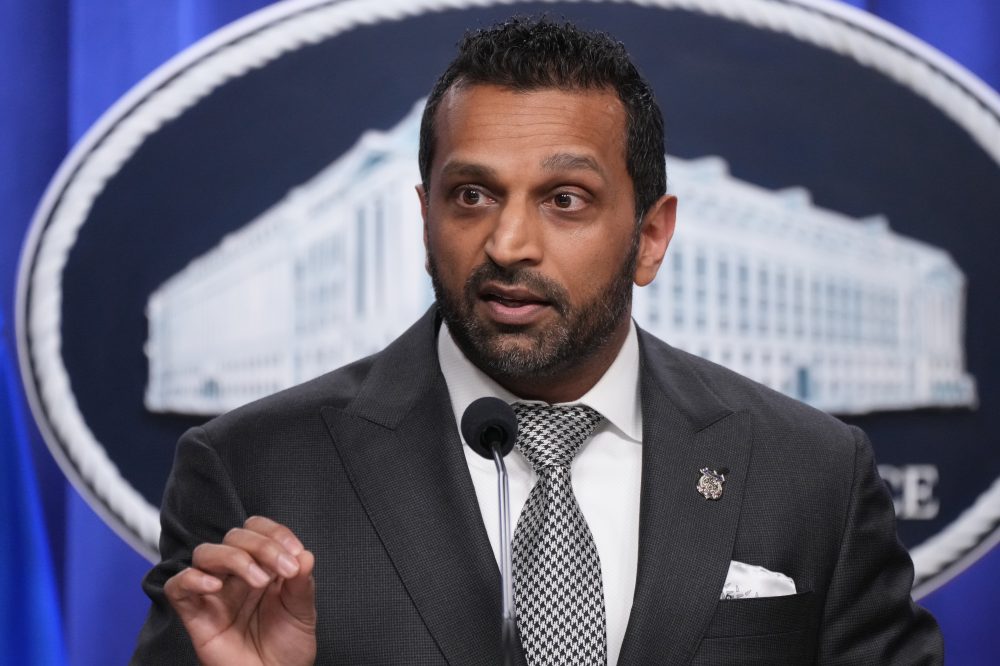 New York Times says FBI investigated reporter after article about director Kash Patel’s girlfriend
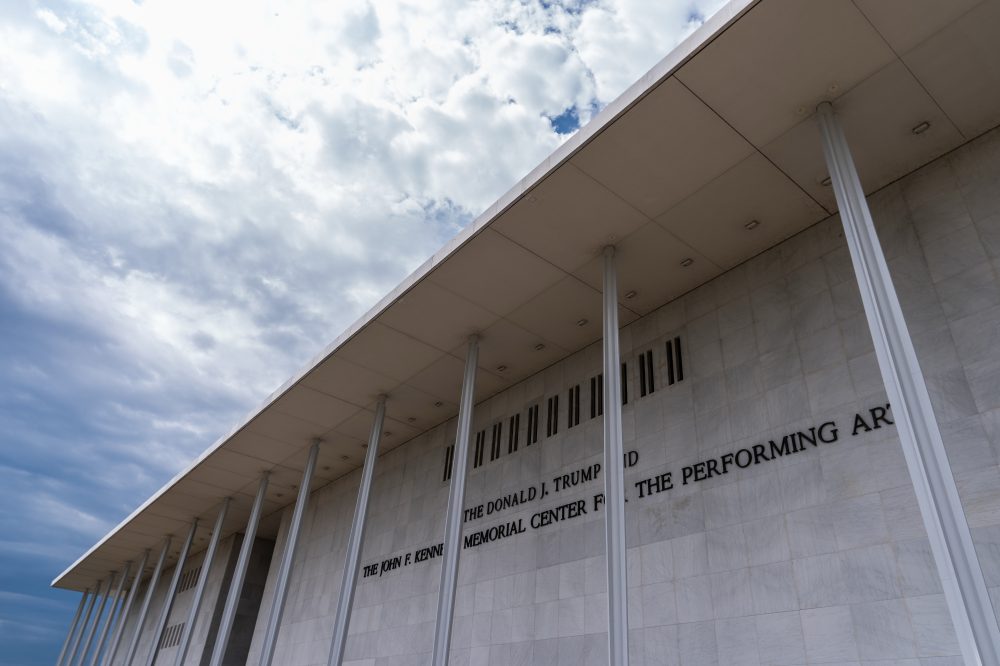 Photos show a media tour of the Kennedy Center ahead of renovations
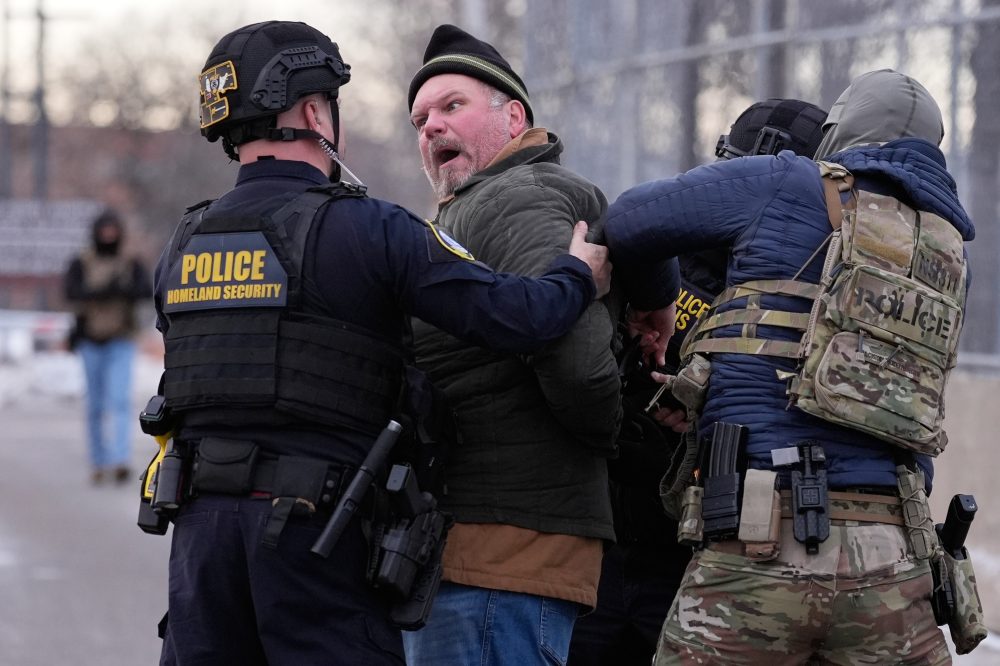 Assault charge for immigration officer in Colorado could test immunity provisions for federal agents