
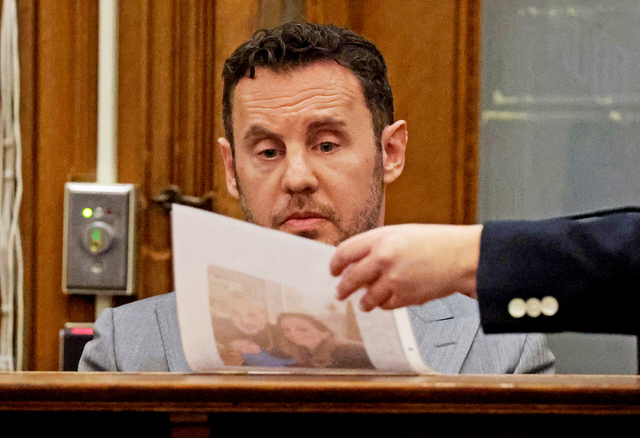
The focus in the murder trial of Brian Walshe turned Thursday to an affair his wife was having before he allegedly killed and dismembered her on New Year’s Day 2023.
Ana Walshe, a real estate agent who immigrated from Serbia, was last seen early on Jan. 1, 2023, following a New Year’s Eve dinner at her Massachusetts home. Her body has never been found. Her husband, Brian Walshe faces a first-degree murder charge, after agreeing to plead guilty last month to lesser charges of misleading police and willfully disposing of a human body in violation of state law.
William Fastow told the court on the fourth day of the trial that he met Ana Walshe in March 2022 when he sold her a townhouse in Washington, D.C. He said the relationship quickly intensified as they became close friends and confidants and eventually had an “intimate relationship.” They went out to dinner and to bars together, he said, and she would spend time on his sailboat and stay overnight at his home. They also took a Thanksgiving trip to Ireland.
Fastow testified he never tried to keep their relationship secret and told others about their relationship, though he admitted they never socialized with her friends. They did, however, discuss telling Brian Walshe about it.
“Ana felt it was really important that when Brian was to find about relationship that he would hear it from her,” Fastow said. “She had expressed great concern and I think she felt it would be a strike against her integrity if he found out a different way.”
Fastow said the pair spent Christmas Eve together with friends and had planned to celebrate New Year’s together on Jan. 4, when they would discuss their plans for the future.
“We’d had a number of conversations about what a life together might look like, what merging two families would look like,” he testified. “But I’d always said to Ana that she needed to figure out how she wanted things with Brian and what she wanted that to look for her life before we could make any commitments or decisions.”
Fastow said his last contact with Ana Walshe was a text message from her on New Year’s Eve. The following day he sent her a photo of Fastow showing his son how to ski, a waving hand emoji, question mark query and a few more text messages the following days that got no response. He tried calling her several times on Jan. 2 but the calls went straight to voicemail. Then, on Jan. 4, he got a call from Brian Walshe, but let it go to voicemail because he was in an “intimate relationship with his wife.”
“I had not heard from her in several days and, frankly, I was concerned maybe he had found out and was calling to confront me,” he testified.
Walshe called Fastow a second time, and his voicemail was played in court. In a somewhat upbeat tone, Walshe said he “hoped all was going well” with Fastow before saying he was “reaching out to anybody he could” because “Ana hadn’t been in touch for a few days” and that he was wondering if Fastow “had spoken to her recently.” Walshe then apologized for the call and said he was sure “everything was fine.”
At the time, Brian Walshe was at home awaiting sentencing in an unrelated art fraud case involving the sale of two fake Andy Warhol paintings.
On cross examination, Walshe’s defense attorney Kelli Porges was able to get Fastow to acknowledge he was not aware of any plans for Ana Walshe to tell her husband about their relationship.
“There was no plan, as Ana went home for Christmas to be with her family, that she was going to come clean and tell Brian about you,” Porges said, prompting Fastow to say that he wasn’t aware of “any plan.”
Prosecutors so far have relied on incriminating searches allegedly made by Walshe on several devices that related to dismembering bodies and cleaning up blood.
Investigators also said surveillance video showed a man resembling Walshe throwing what appeared to be heavy trash bags into a dumpster near their home, and that a search of a trash processing facility near his mother’s home uncovered bags containing a hatchet, hammer, sheers, hacksaw, towels and a protective Tyvek suit, cleaning agents, a Prada purse, boots like the ones Ana Walshe was last seen wearing and a COVID-19 vaccination card with her name. Many of those items have been entered into evidence.
In his opening statement Monday, Assistant District Attorney Gregory Connor told the jury that the Massachusetts State Crime Laboratory examined some of the items for DNA against samples they had from the couple. They found Ana and Brian Walshe’s DNA on the Tyvek suit and Ana Walshe’s DNA on the hatchet, hacksaw and other items.
Walshe’s attorney, Larry Tipton, argued in his opening statement that was not a case of murder but what he called a “sudden unexplained death” of Ana Walshe. He portrayed a couple who loved each other and were planning for the future before Ana Walshe died after celebrating New Year’s Eve with her husband and a friend.
“When he entered the bedroom and began to get into bed, he sensed something was wrong. You will hear evidence that it made no sense to him,” Tipton told jurors. “He nudged Ana his wife. She didn’t respond.”
Brought to you by www.srnnews.com
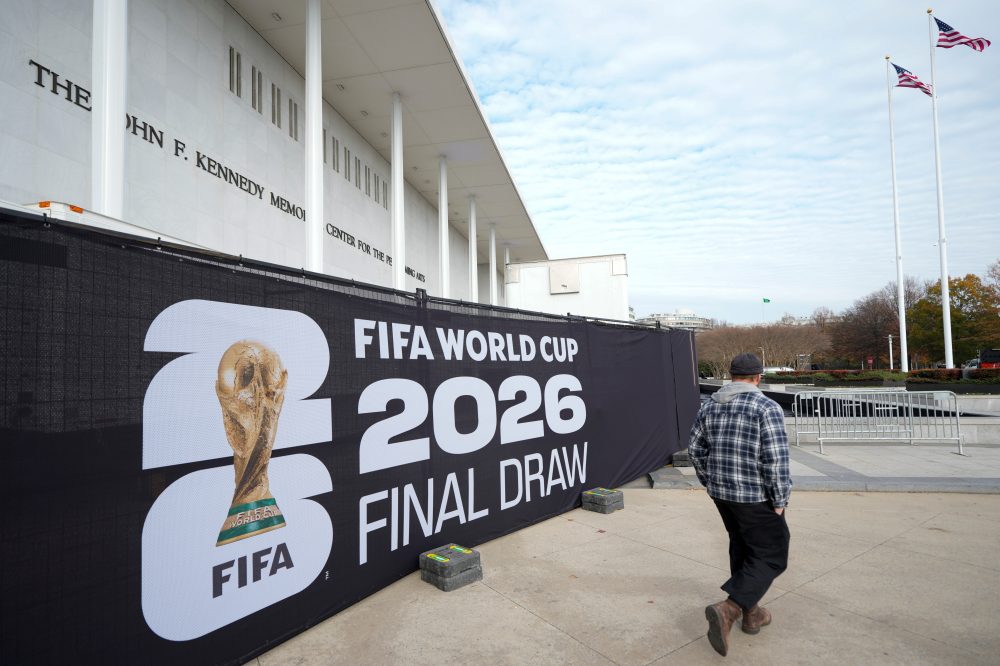 US prioritizes visas for fans traveling for the World Cup, Olympics and other events
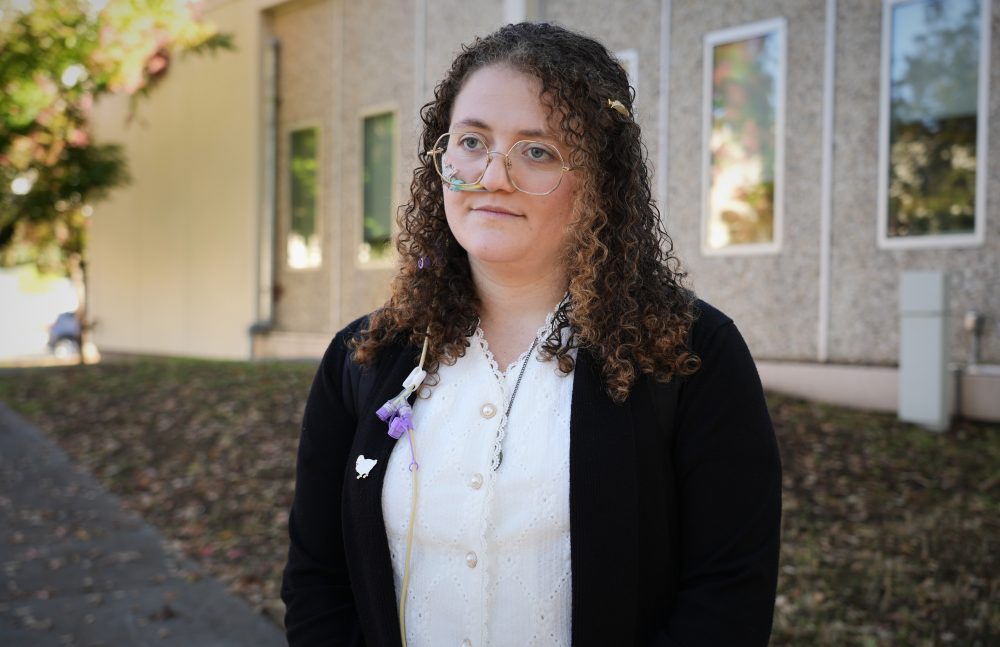 California activist gets jail time for taking chickens from Perdue Farms plant
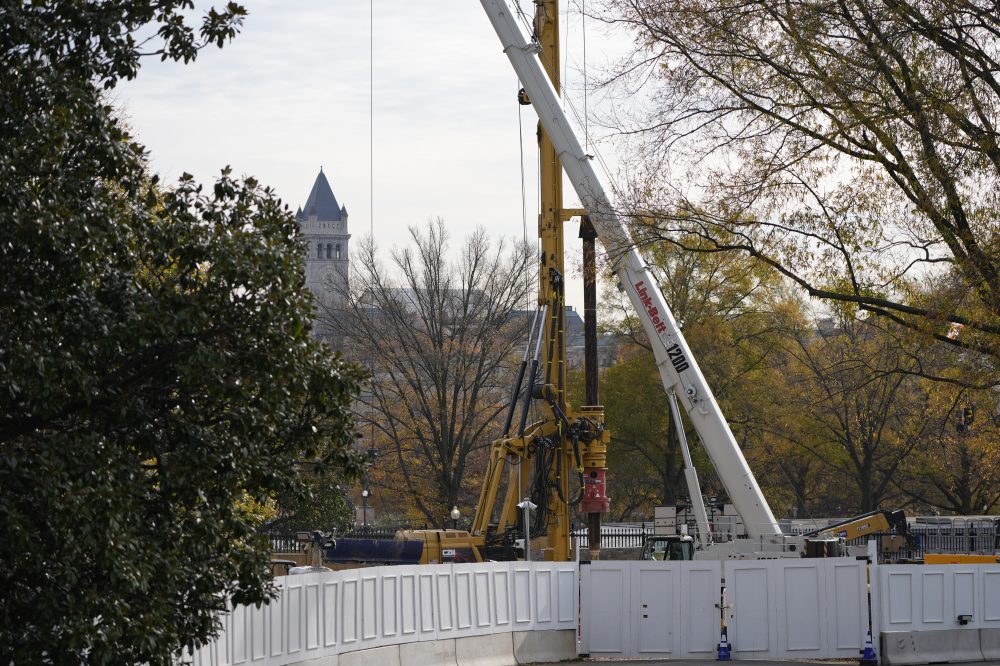 White House is expected to submit plans for new ballroom to planning commission this month
 Detroit’s own crime-fighter RoboCop finally stands guard in Motor City