
By Shariq Khan and Jarrett Renshaw
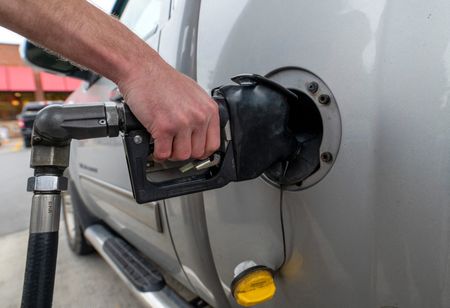
NEW YORK, March 1 (Reuters) – U.S. average retail gasoline prices are set to break above $3 a gallon on Monday for the first time in more than three months as the conflict between the United States and major oil producer Iran interrupts global oil flows, analysts said.
That’s potentially a major risk for President Donald Trump and his Republican Party leading into November’s midterm elections as price inflation remains a key concern for voters. Trump has repeatedly – and often falsely- claimed credit for lowering gasoline prices since returning to office last year.
Average pump prices could surpass $3 per gallon on Monday for the first time this year, according to Patrick De Haan, an analyst at retail price tracker GasBuddy. Prices last broke above $3 nationwide in November 2025, according to GasBuddy data. They were as low as $2.85 a gallon in February.
“Oil will move first. Gasoline will follow — but gradually,” De Haan said in a blog post after the strikes on Iran.
Iran is one of the world’s top oil suppliers and its government has said it has closed navigation through the Strait of Hormuz following U.S. and Israeli air strikes that killed its Supreme Leader Ali Khamenei.
Hormuz is a critical chokepoint in the Middle East Gulf through which around a fifth of the world’s oil flows by tanker. At least three tankers have been damaged in the region, and major shippers have said they will avoid the strait.
Global benchmark Brent crude jumped 10% to about $80 a barrel over the counter on Sunday on the escalating impacts, and some analysts are predicting Brent could touch $100 as the Middle East plunges into a new war.
So far, the White House appears to be willing to accept the political risks from higher oil prices to pursue its foreign policy objectives, said Bob McNally, president of Rapidan Energy Group, an energy consultancy.
“Their eyes are wide open to the risk, and I expect they will focus on shortening the amount of time Iran has to control the flow of energy through the Strait of Hormuz,” McNally said.
The White House could also signal a willingness to release oil from the U.S. Strategic Petroleum Reserve to prevent prices from going too high, McNally said.
Former U.S. President Joe Biden had authorized a historic drawdown of the SPR in 2022 to address surging prices after Russia’s invasion of Ukraine, a move that Trump and other Republicans have sharply criticized.
The White House did not immediately respond to requests for comment.
SEASONAL DEMAND
Gasoline prices in the United States were already ticking higher prior to the U.S. attack on Iran as refiners in recent weeks began making a costlier summer-grade fuel, mandated by environmental regulations to reduce air pollution in warmer weather, De Haan said.
Demand for gasoline also tends to peak in the United States during the summer vacation season.
“We were all set to rise to $3.10-$3.25 a gallon with a peaceful Persian Gulf. We’ll now get there very quickly and the action of the last 48 hours puts higher numbers in play,” said Tom Kloza, senior adviser for fuel supplier Gulf.
He said a $5 per barrel increase for crude should result in an increase of about 12 cents per gallon for gasoline and diesel, but that some suppliers had already pushed up wholesale prices by as much as 25 cents a gallon.
The rising prices represent a reversal of months’ worth of declines since the middle of last year driven mainly by high inventory levels and slack demand growth. Those big stockpile levels could provide a buffer to global market disruptions and temper the current price spikes.
U.S. gasoline stocks stood at 254.8 million barrels as of February 20, near the highest they have been since the coronavirus pandemic, according to the latest available government data. Those stocks represent 30 days’ of supply.
“I expect a lot of (price) volatility tonight, but markets will likely start to settle down a bit after the first furious hour,” De Haan said.
(Reporting by Shariq Khan in New York; editing by Richard Valdmanis)
Brought to you by www.srnnews.com
 People line up for ice cream treats every March 1 at this Minnesota Dairy Queen. Why? It’s tradition
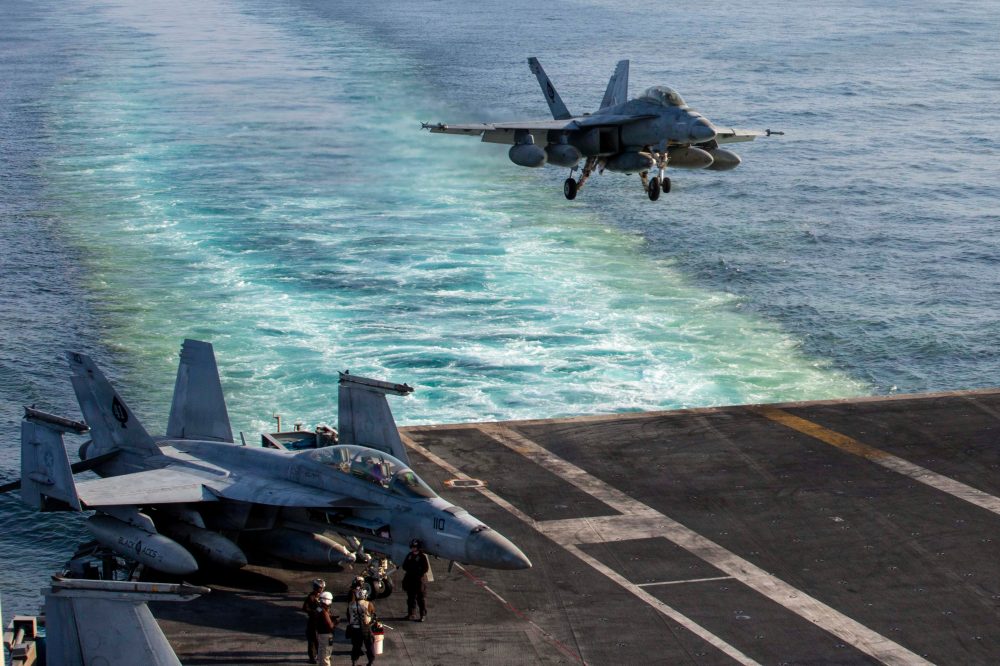 3 US troops killed and 5 are seriously wounded during Iran attacks, military says
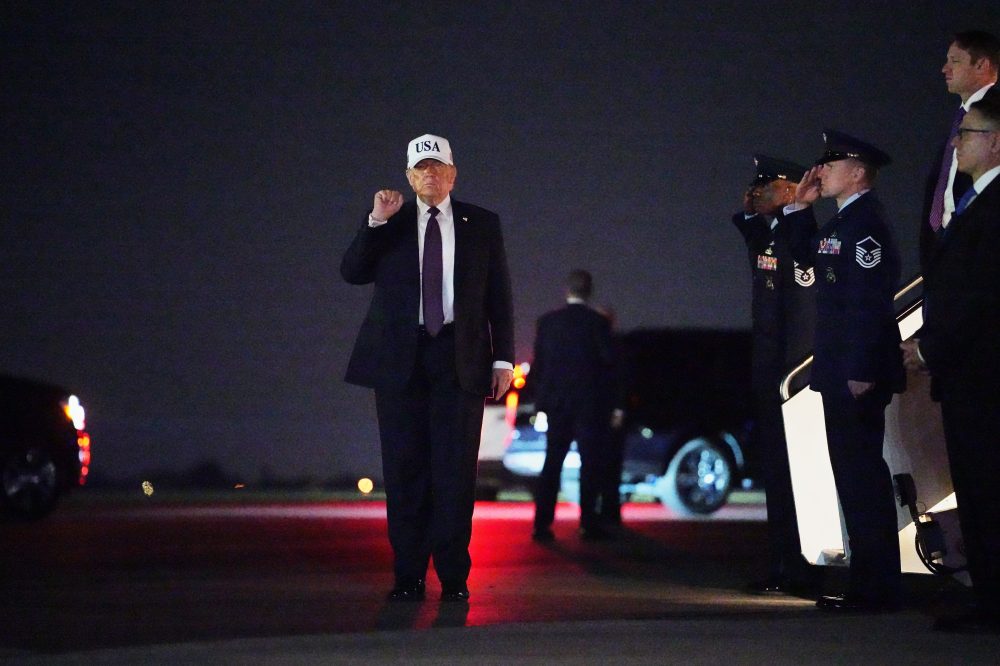 CIA tracked Iranian leaders for months ahead of attacks that began with 3 strikes in 60 seconds