
(AP) – Wholesale inflation cooled last month, offering a narrow but meaningful signal that consumer prices may begin to ease—though Americans are still feeling the pinch.
The Labor Department’s Producer Price Index, which measures inflation before it reaches shoppers, rose 4.7 percent in July compared with a year earlier. That’s down from the 5.5 percent increase reported in June. On a month-to-month basis, wholesale prices were flat in July—unchanged from June—after a slight decline of 0.1 percent the previous month.
Core trends also moderated. Excluding volatile food and energy costs, the “core” producer price measure climbed 4.2 percent over the year, easing from 4.7 percent in June. Core prices rose 0.2 percent month over month, down from 0.4 percent.
Together, these numbers follow the government’s consumer inflation report released earlier this week, which similarly showed modest cooling. This matters because it suggests inflation is not accelerating—but it also underscores that the job is not finished.
Even with today’s softer wholesale figures, consumer prices have been rising faster than wages for the past four months. That gap is a problem for working families who must pay for essentials like rent, utilities, and groceries. If prices continue to outpace paychecks, households may have little choice but to reduce discretionary spending, which can slow economic growth.
Gas prices remain the wildcard. After falling earlier in July, fuel prices rose again later that month and into early August. That pattern could complicate the outlook when August inflation data is released next month, potentially reminding policymakers that inflation can reappear quickly when energy costs move.
For the Federal Reserve, the latest cooling offers breathing room. Officials meet again in September, and these figures may give them more reason to avoid an additional rate hike—at least for now. The central question remains whether to raise interest rates to fight inflation, or keep them steady in the hope that inflation continues to cool on its own.
Fed officials also closely watch wholesale inflation because key components can feed into the measure they prefer for inflation—Personal Consumption Expenditures, or PCE. The PCE report is expected later this month, providing another test of whether price pressures are genuinely fading.
Finally, signs of economic weakness are also in view. Last week, the government reported that employers cut jobs in July. For rate-setters, a softer labor market can reduce the case for higher borrowing costs—because it suggests demand may be cooling already.
In Washington, the takeaway is straightforward: inflation is easing in the latest numbers, but Americans still need relief, and the next data releases—especially energy and the PCE index—will determine whether this trend holds.
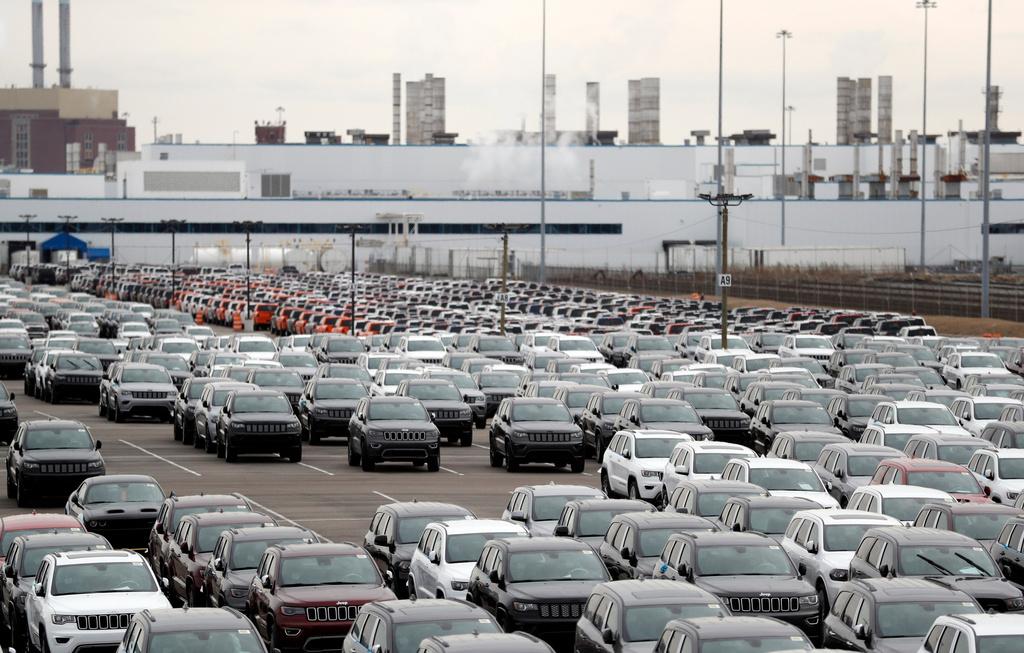
PHOTO- FILE – In this Feb. 26, 2019, file photo, Jeep vehicles are parked outside the Jefferson North Assembly Plant in Detroit. (AP Photo/Carlos Osorio, File)
Brought to you by www.srnnews.com
 Winning ticket for $1 billion Powerball jackpot was sold in Illinois
 The Latest: Kennedy Center board set to vote on whether to move forward with closure
 Families feel the pinch of higher children’s shoe prices as kids head back to school
 The warming climate is forcing marathons to consider changes to keep runners cool