
By Zia Chowdhury , Ruma Paul and Krishna N. Das
DHAKA, Feb 13 (Reuters) – In an election triggered by a Gen Z–led uprising in Bangladesh, a youth-driven party secured only six seats in the 300-member parliament, showing the challenge of turning street momentum into votes.
When it came to it, results showed on Friday that voters overwhelmingly chose the long-established Bangladesh Nationalist Party, which has already ruled the country three times, most recently from 2001-2006.
They largely stayed away from The National Citizen Party which emerged from the 2024 protests that toppled former premier Sheikh Hasina, but fared poorly as part of a rival coalition.
SOME SUPPORTERS FELT BETRAYED BY ALLIANCE
Many of its supporters said the NCP effectively took itself out of the race by choosing in December to run alongside another long-established movement – the Islamist party Jamaat-e-Islami.
The NCP had initially planned to contest nearly all seats, but ended up competing in only 30 in the coalition, which it said it joined because it needed the clout of a major player after a prominent member of the uprising was killed in Dhaka.
Analysts said the NCP had also failed to build up a big enough support base in time for the vote.
“They did not live up to the hopes and dreams people had after the 2024 uprising,” 23-year-old university student Sohanur Rahman said.
“The NCP’s alignment with Jamaat felt like a betrayal, and many young voters like us chose not to support them.”
One of the six NCP winners was Abdullah Al Amin, 32, a lawyer and joint secretary of the party.
He said the party had expected to win more seats and it only lost some by small margins.
“We have just started our journey,” he said. “We want to ride a long journey to change Bangladesh, real change that we were aspiring for when we took to the streets in July 2024.”
PARTY SETS SIGHTS ON NEXT YEAR’S LOCAL ELECTIONS
Abdullah Al Amin said the alliance with Jamaat had helped the NCP win the seats it did.
But Shakil Ahmed, a government and politics professor at Jahangirnagar University, said the alliance had pushed away young voters who had wanted a brand new political class after the fall of Hasina.
“Many saw it as a retreat into old politics rather than a break from it,” Ahmed said. “This decision divided the youth vote and strengthened support for the BNP under Tarique Rahman, which appeared more organised and capable of governing.”
NCP spokesperson Asif Mahmud said the party would rebuild itself in opposition and focus on local government elections due in a year.
NCP chief Nahid Islam told Reuters in December his organisation had not had enough time to build itself up. It was also hampered by scarce funds and an unclear stance on key issues such as rights for women and minorities, Reuters reported, citing party leaders.
“Unless the NCP rebuilds its identity and distances itself from alliances that confuse its message, it risks losing its momentum and remaining a symbolic movement rather than a major political force,” Professor Ahmed said.
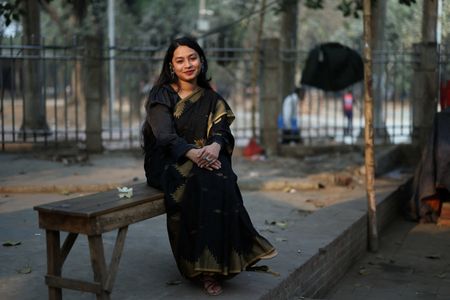
Among prominent young losers was Tasnim Jara, a 31-year-old doctor who left the NCP in protest at the alliance in December and fought as an independent candidate from Dhaka. She got more than 44,000 votes but lost to a BNP candidate by a big margin.
“We have shown that it is possible to win people’s hearts through a clean and honest campaign,” Jara said.
“But our limitations have also become clear. For clean politics to survive, it must be strong. To protect a peaceful political model, we need to build a stronger organisation that is capable of withstanding any form of intimidation.”
Citing her vote count, she said there was hope and that she would not go back to her practice in Britain.
“Our best days are still ahead,” she said.
(Reporting by Zia Chowdhury, Ruma Paul, Krishna N. Das and Tora Agarwala in Dhaka; Editing by Andrew Heavens)
Brought to you by www.srnnews.com
 Albanian actor sues government for using her image as “AI minister”