
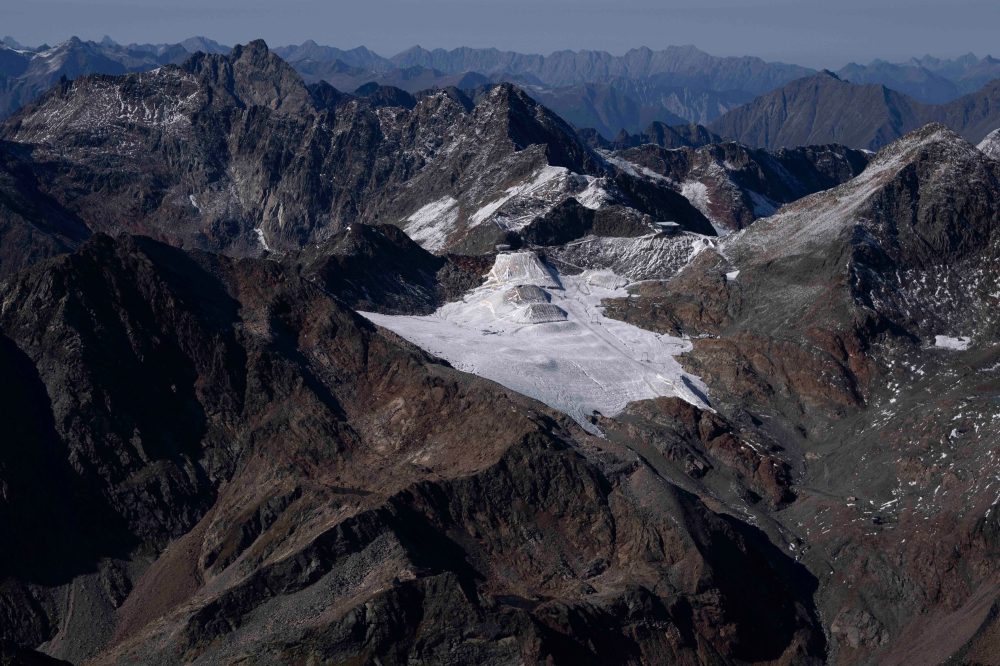
VIENNA (AP) — All but two of Austria’s 96 glaciers have retreated over the last two years, monitors in the Alpine country reported Friday, saying the “dramatic development” highlights the impact of climate change.
The latest report from the Austrian Alpine Club shows the Alpeiner Ferner in the western Tyrol region and Stubacher Sonnblickkees in Salzburg to the east are facing the greatest loss, each with a retreat of more than 100 meters (about 330 feet). The average retreat was more than 20 meters (65 feet).
“The disintegration of the glacier tongue is also progressing at the Pasterze, Austria’s largest glacier, making the consequences of climate change visible,” the club said in the report covering 2024 and 2025.
The report, it added, “confirms once again the long-term trend: Glaciers in Austria continue to shrink significantly in length, area, and volume.”
The retreat of glaciers in Europe has vast implications for drinking water, power generation, agriculture, infrastructure, recreational activities, the Alpine landscape and more.
Neighboring Switzerland, which is home to the most glaciers in Europe, has noted a similar retreat in its glaciers in recent years, a trend that has been reported around the world.
Poor weather conditions including low snowfall, warm temperatures including an exceptionally hot June last year — nearly 5 degrees Celsius (9 degrees Fahrenheit) above the average — have contributed to the retreat, the club said.
“The glaciers are melting — and with every new report, the urgency grows,” club vice president Nicole Slupetzky said. “It’s no longer a question of whether we can still save the glaciers in their old form; it’s about mitigating the consequences for ourselves.”
Such changes in the Alps should serve as a “wake-up call” for policymakers and the public in its behavior, the club said.
It said the current figure was lower than during the previous two years, but still ranks as the eight-largest retreat in the 135 years of measurements.
Brought to you by www.srnnews.com
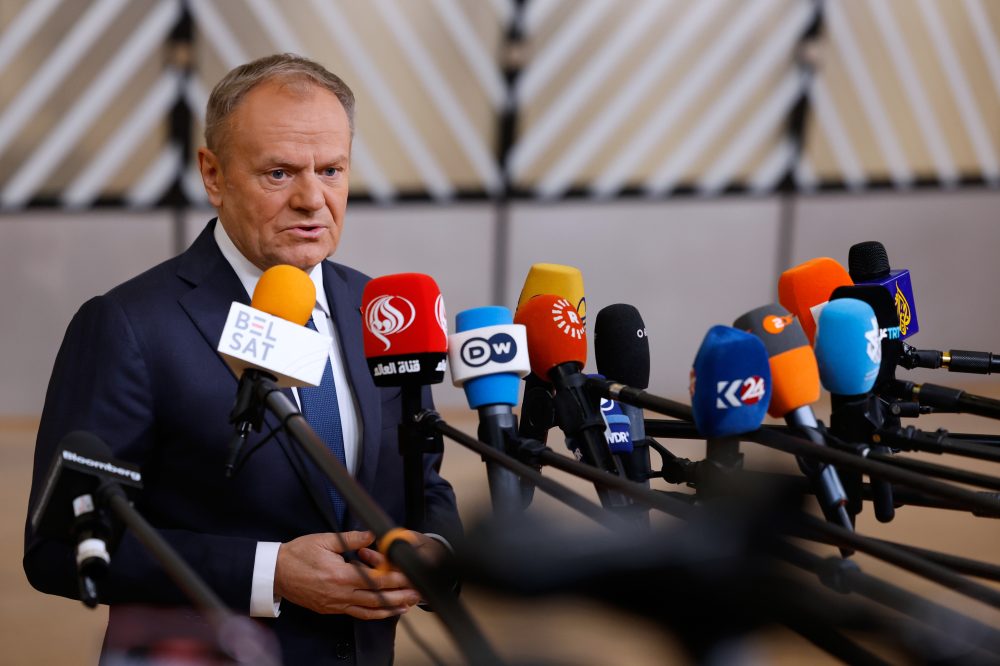 Poland’s Tusk vows to secure 44B euros in EU defense loans despite president’s veto
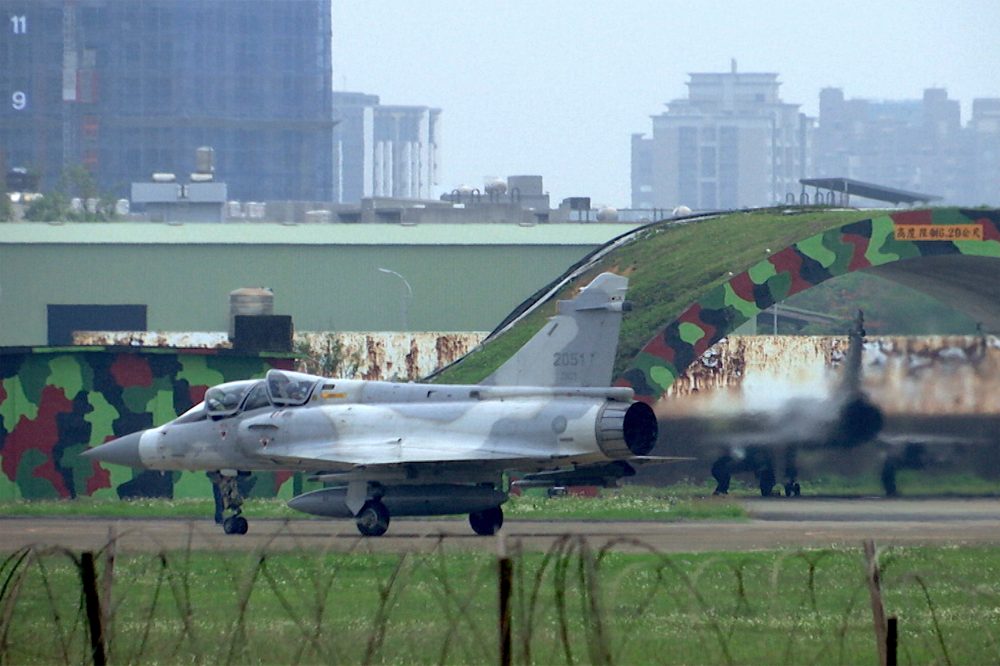 What to know about the falloff in China’s military flights around Taiwan
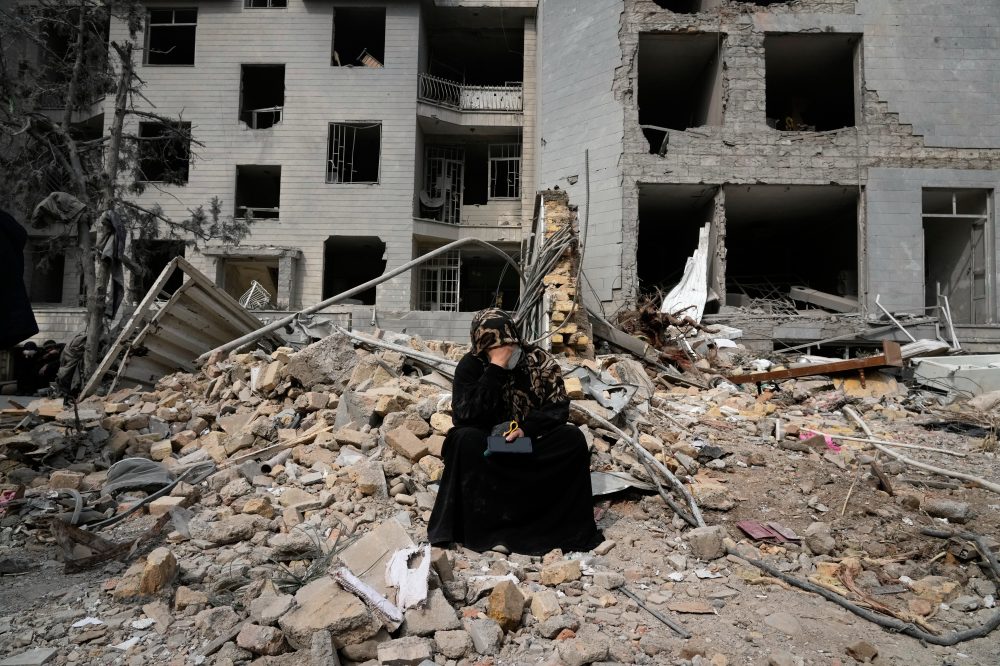 Residents of Tehran tell AP of rising fear and isolation as bombs strike without warning
 Cuban president says talks were recently held with the US to resolve differences