
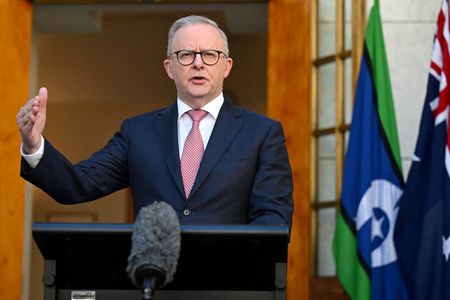
SYDNEY, April 2 (Reuters) – Australia is introducing a raft of measures to curb gambling advertising, including banning promotions by celebrities and sports stars, Prime Minister Anthony Albanese said on Thursday.
Albanese called the changes “the most significant reform on gambling that has ever been implemented” in the world’s biggest gambling nation, which also has the highest per-capita betting losses.
“The government is taking decisive action to tackle the community and public health concerns associated with gambling,” he said.
The government will implement new rules from 2027 with a focus on minimising children’s exposure to gambling harm in particular by stopping the “deluge of advertisements” they faced, Albanese said.
Gambling advertisements on broadcast TV would be capped to three per hour between 6 a.m. and 8:30 p.m., with a complete ban during live sports broadcasts within those hours.
Advertisements would be banned on the radio during school drop-off and pick-up times, while online adverts would be restricted to logged-in users over 18, who will be able to opt out.
The use of celebrities and sports stars in gambling promotions would also be prohibited, and gambling branding would be banned from sports venues and from the uniforms of both players and officials.
The ban is likely to affect online gaming companies like London-listed Flutter Entertainment PLC – owner of the most popular betting app in Australia, Sportsbet – and Entain PLC, owner of third-ranked app Ladbrokes.
Shares in No. 2 gambling company Tabcorp Holdings were down 2.4% in afternoon trading, steeper than the benchmark ASX200 index’s 0.8% decline.
(Reporting by Christine Chen in Sydney; Editing by Himani Sarkar and Kevin Buckland)
Brought to you by www.srnnews.com
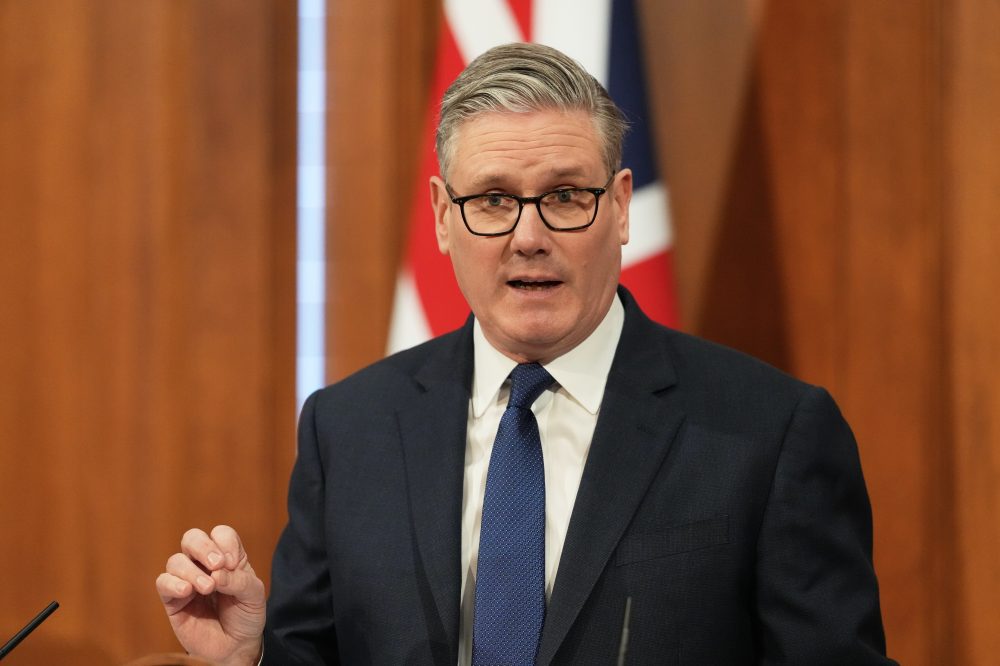 UK gathers more than 30 countries to plot ways of reopening the Strait of Hormuz
 The Latest: Trump says Iran will be hit hard for next 2 or 3 weeks
 Fire hits LPG station near residential area of Indonesia’s Bekasi regency, 12 injured, agency says
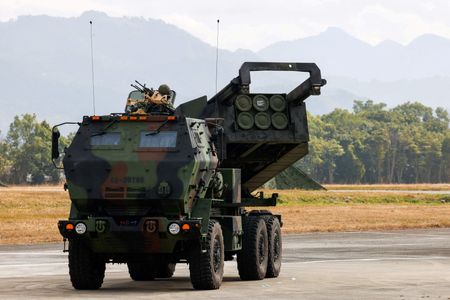 Taiwan military says budget delay threatens $2.4 billion in weapons buying, training