
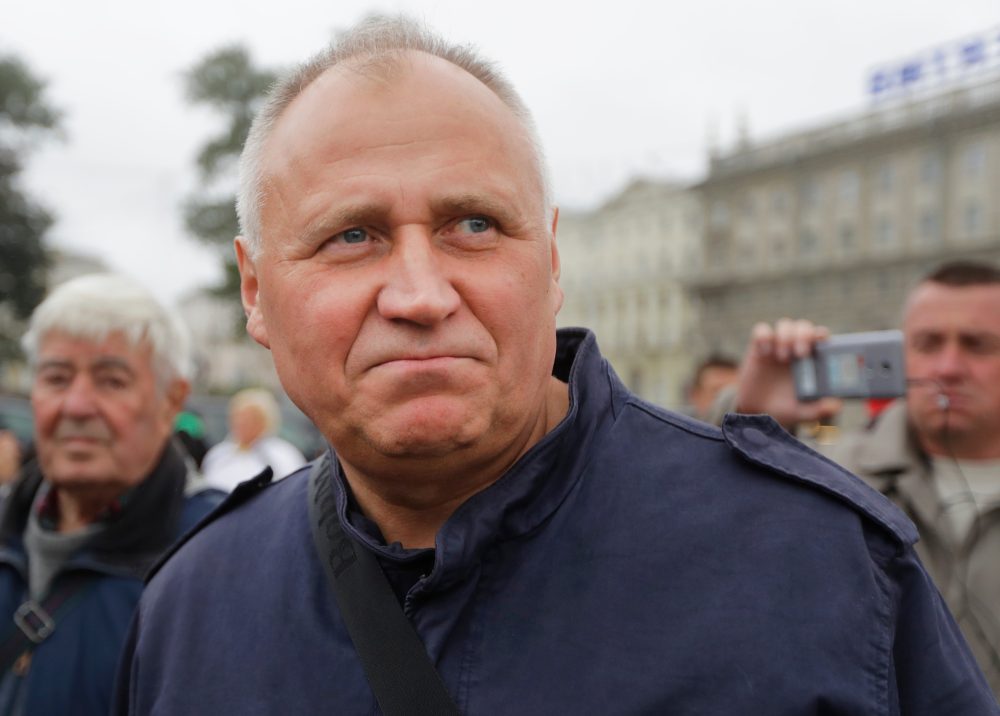
TALLINN, Estonia (AP) — Belarusian politician Mikola Statkevich, who was put back in prison after refusing to leave the country as part of a U.S.-brokered release of political prisoners, has been released after suffering a stroke.
Statkevich’s wife, Maryna Adamovich, said Friday that he has trouble speaking from a stroke. “Now he’s recovering and gaining strength,” she told The Associated Press in a phone interview from the Belarusian capital.
When Belarus’ authoritarian President Alexander Lukashenko pardoned 52 political prisoners in September and they were taken to the Lithuanian border, Statkevich, 69 called the government’s actions a “forced deportation,” pushed his way out of the bus and stayed for several hours in the no-man’s land between the borders before being taken away by Belarusian police and returned to prison.
He was serving a 14-year prison sentence after his arrest in 2020 on charges of organizing mass unrest in a case that human rights groups, including Amnesty International, have described as politically motivated.
Lukashenko’s spokeswoman Natalia Eismont said Friday that the Belarusian leader had ordered the release of Statkevich because of his condition in response to his family’s requests.
Lukashenko, nicknamed “Europe’s last dictator,” has ruled Belarus for over three decades, maintaining his grip on power through relentless crackdown on dissent. Following the 2020 post-election protests that saw hundreds of thousands take to the streets, more than 65,000 people were arrested, thousands were beaten, and hundreds of independent media outlets and nongovernmental organizations were closed and outlawed.
Belarus has faced years of Western isolation and sanctions for its crackdown on human rights and for allowing Moscow to use its territory in the 2022 full-scale invasion of Ukraine. Recently, Lukashenko has sought to repair relations with the West, releasing hundreds of political prisoners.
Statkevich was part of a group of prisoners freed weeks after Lukashenko held a phone call with U.S. President Donald Trump in August. In return, sanctions on the country’s national airline, Belavia, were lifted. Another 123 political prisoners, including Nobel Peace Prize laureate Ales Bialiatski, were released on Dec. 13 in exchange for the U.S. lifting some trade sanctions on Belarus.
Despite the recent prisoner releases, the Belarusian authorities have continued their crackdown on dissent. According to the Viasna human rights group, Belarus currently has 1,146 political prisoners.
“It’s still unclear what Statkevich’s legal status is and whether the authorities have cleared the accusations against him,” said Pavel Sapelka of Viasna. “Political repressions in Belarus are continuing, and it means that no government critic can feel secure.”
Sapelka said that Statkevich had spent more than a month in emergency care at a prison hospital after suffering a stroke.
During his decades of political activity, Statkevich, who challenged Lukashenko in a 2010 presidential election, was imprisoned on three occasions and has spent more than 12 years behind bars.
“I feel immense relief that Statkevich is finally free and at home,” Belarusian opposition leader Sviatlana Tsikhanouskaya, who fled the country in 2020, told the AP. “With his courage and bravery, he won a huge moral victory, for which he paid a high price.”
Brought to you by www.srnnews.com
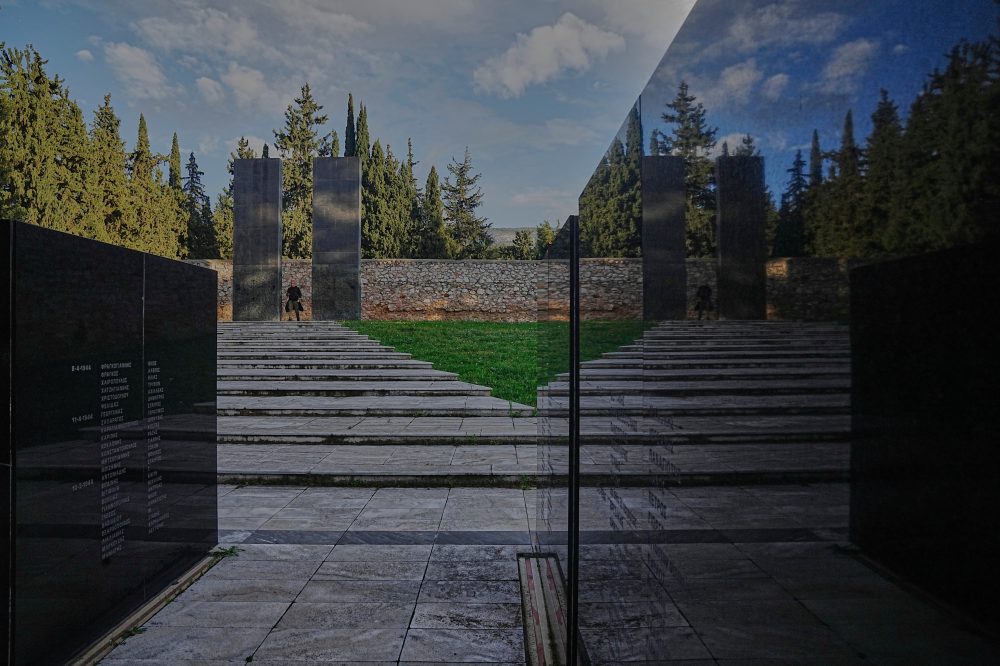 Greece signs a preliminary deal with a Belgian collector to buy WWII photos of Nazi executions
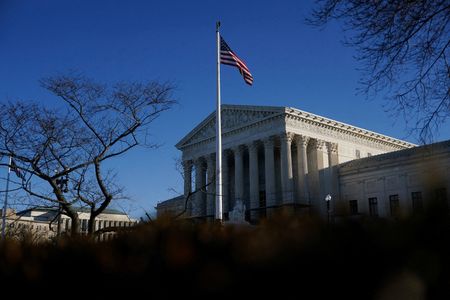 US Supreme Court strikes down Trump’s global tariffs
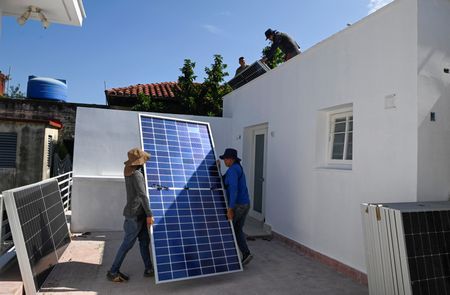 Cubans fight blackouts with solar as US extends oil chokehold
 Olympics-IOC chief Coventry says unaware of Infantino’s presence at Board of Peace meeting, will look into matter