
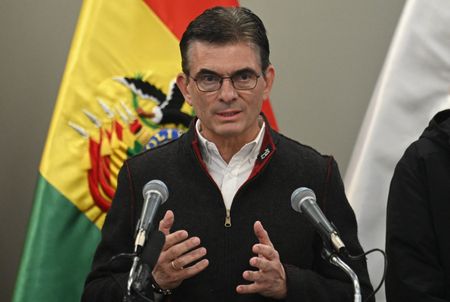
LA PAZ, May 27 (Reuters) – Bolivia’s President Rodrigo Paz on Wednesday took steps toward potentially declaring a state of emergency as anti-government protests have escalated in the early months of his administration.
A state of emergency would let Paz send military forces into the streets in an effort to contain the protests, a measure that some opposition lawmakers have warned could further ratchet up tensions after almost a month of roadblocks and demonstrations.
The official gazette on Wednesday showed that Paz signed off on a vote from Congress to repeal a law that had set limits on the executive branch’s use of emergency orders.
If Paz moves forward to declare a state of emergency, it would need approval from Congress.
The unrest is driven by union leaders and supporters of former leftist President Evo Morales, who want the new conservative government to roll back austerity measures and address rising living costs.
The protests have triggered shortages of food, fuel and medicines in La Paz and El Alto, which together form Bolivia’s largest urban area.
On Wednesday, speaking to journalists ahead of meetings with community leaders, local officials and industry representatives, Paz said he wanted to find solutions through dialogue, but would not rule out other options.
“I have constitutional instruments. Time is running out,” he said. “I have to respond, I have to come up with solutions.”
Opposition lawmaker Sonia Siñani from the Aymara party warned that bringing in troops could intensify the conflict.
“We are pouring gasoline on the fire,” Siñani said during a congressional debate on Tuesday, which was held virtually because the roads in La Paz have been blocked by demonstrators.
Paz took office in November, ending nearly two decades of governments under the leftist Movement Toward Socialism (MAS), founded by Morales.
(Reporting by Daniel Ramos and Monica Machicao in La Paz, Additional reporting by Lucinda Elliott, Writing by Daina Beth Solomon and Aida Pelaez-Fernandez, Editing by Rosalba O’Brien)
Brought to you by www.srnnews.com
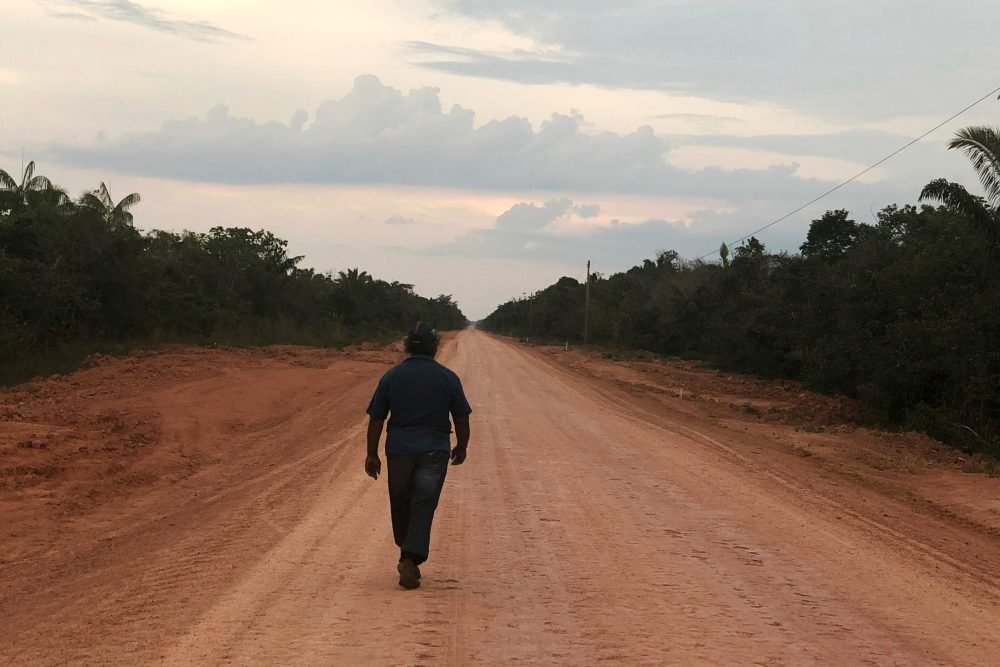 Brazil to invest $75 million in highway through Amazon and unveils environmental protection plan
 Palestinians mourn slain Hamas militant chief as Israel escalates Gaza attacks
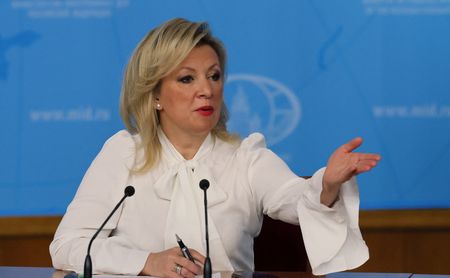 Russia warns Armenia it could end cheap fuel supplies if Yerevan stays on EU course
 EU’s von der Leyen discussed Ukraine’s path to EU membership with Zelenskiy