
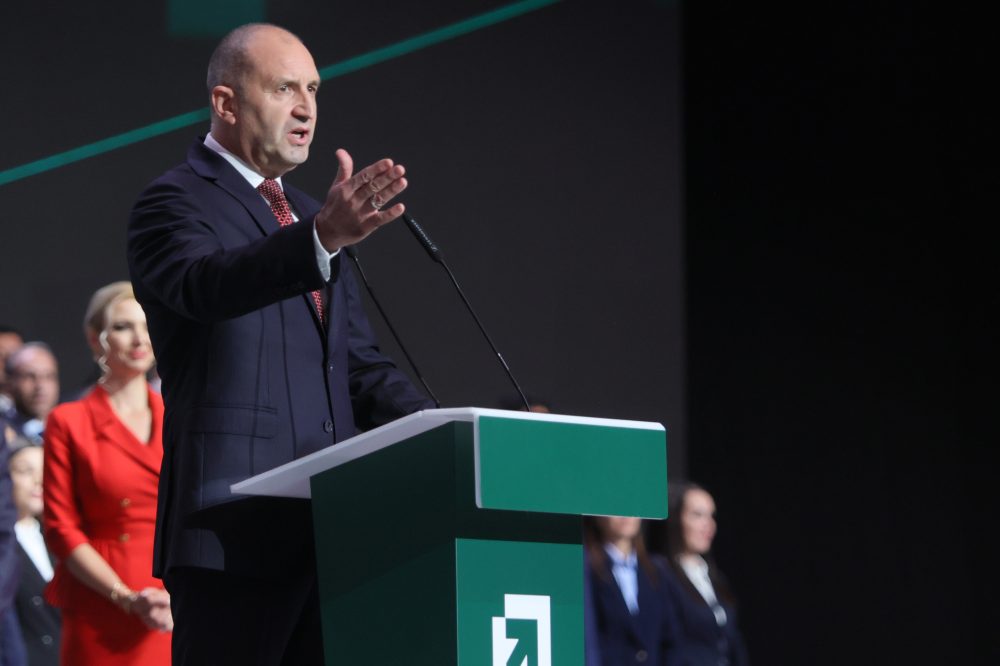
SOFIA, Bulgaria (AP) — Bulgarians are heading to the polls on Sunday for the eighth time in five years, hoping to finally elect a parliament able to resolve the longtime political impasse that has gripped this Balkan country.
The snap vote follows the resignation of a conservative-led government amid nationwide protests last December that drew hundreds of thousands, mainly young people, to the streets. The protesters called for an independent judiciary to tackle widespread corruption.
Since 2021, the nation of 6.5 million has struggled with fragmented parliaments that produced weak governments, none of which managed to survive more than a year before being brought down by street protests or backroom deals in parliament.
The revolving door of governments has fostered widespread public mistrust, voter apathy and a shrinking turnout in elections.
Still, Sunday’s vote is significant as it could bring to power a left-leaning, pro-Russian former president — just days after Hungarian voters rejected the authoritarian policies and global far-right movement of Viktor Orbán, who cultivated close ties with Russian President Vladimir Putin.
The front-runner, Bulgaria’s former President Rumen Radev, is leading a newly formed, center-left Progressive Bulgaria coalition. He resigned from the mostly ceremonial presidency in January, a few months before the end of his second term, to launch a bid to lead the government as prime minister.
The 62-year-old former fighter pilot and air force commander is seen as Bulgaria’s most popular politician and has promised to give the nation a fresh start. His supporters are split on those hoping he will put an end to the country’s oligarchic corruption and those lining up behind his Eurosceptic and pro-Russian views.
Polling stations opened at 7 a.m., and are to close at 8 p.m., after which initial exit polls will be announced. Preliminary results are expected on Monday.
Bulgaria is a European Union and NATO member country, joined the eurozone on Jan. 1, shortly after entering the border-free Schengen travel area. However, it has been plagued by political instability since 2021, when three-time conservative Prime Minister Boyko Borissov resigned following massive protests fueled by anger over widespread corruption and injustice.
Radev has cast himself as an opponent of the country’s entrenched mafia and its ties to high-ranking politicians. At campaign rallies he vowed to “remove the corrupt, oligarchic model of governance from political power.”
And though Radev has officially denounced Russia’s invasion of Ukraine, he has repeatedly opposed military aid to Kyiv and has favored reopening talks with Russia as a way out of the conflict.
Opinion polls predict that Radev’s coalition could get more than 30% of the vote, putting him nearly 10% ahead of his closest rival — Borissov’s center-right GERB party. Most polls report margins of error from 3 to 3.5%.
Brought to you by www.srnnews.com
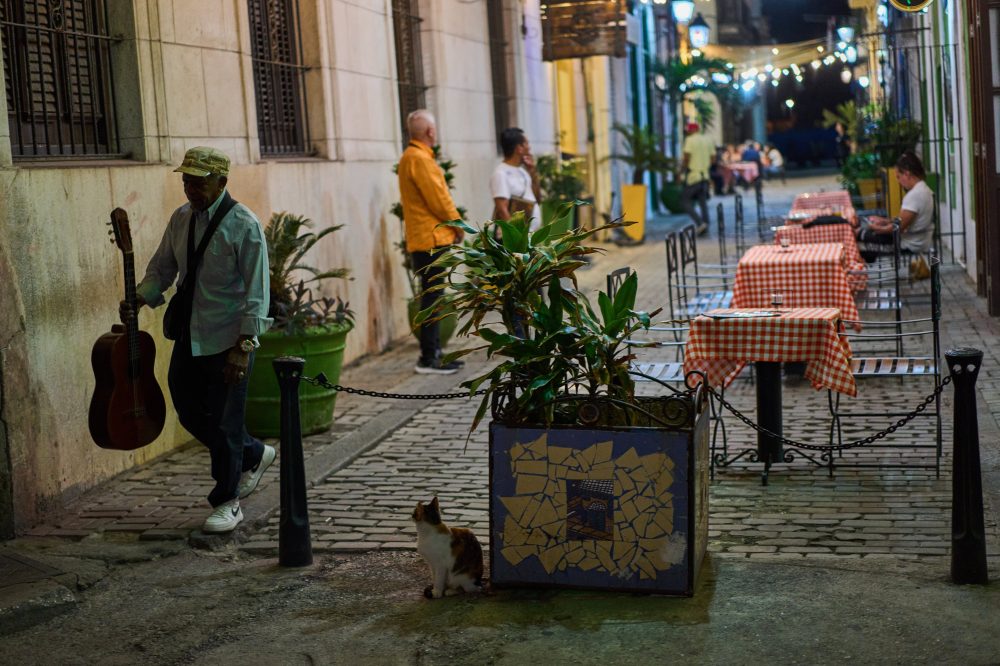 An energy blockade on Cuba pulls the plug on Havana’s legendary nightlife
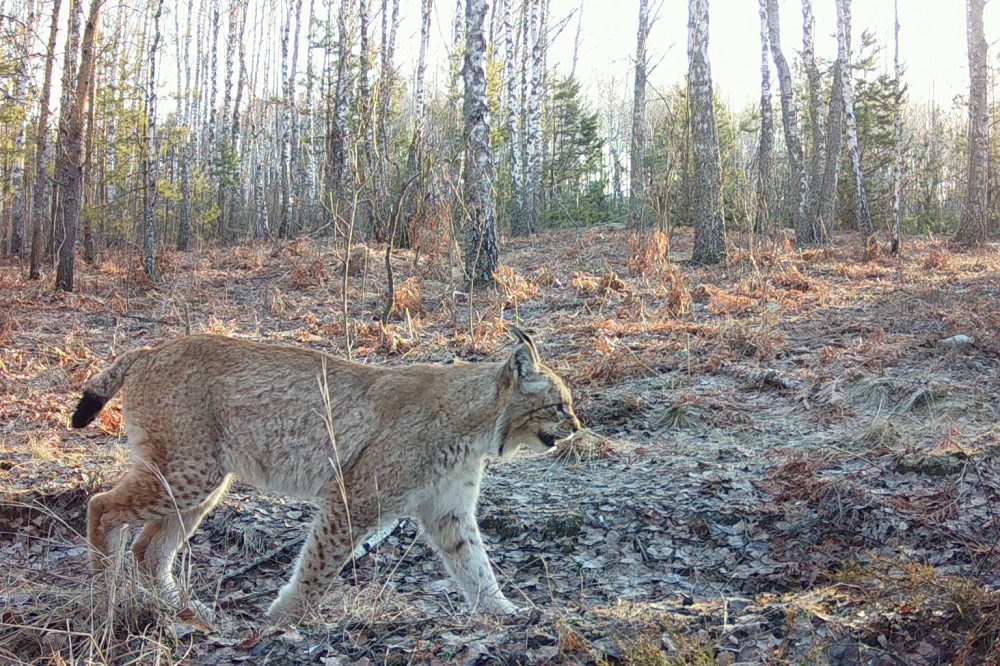 Chernobyl’s radioactive landscape is testament to nature’s resilience and survival spirit
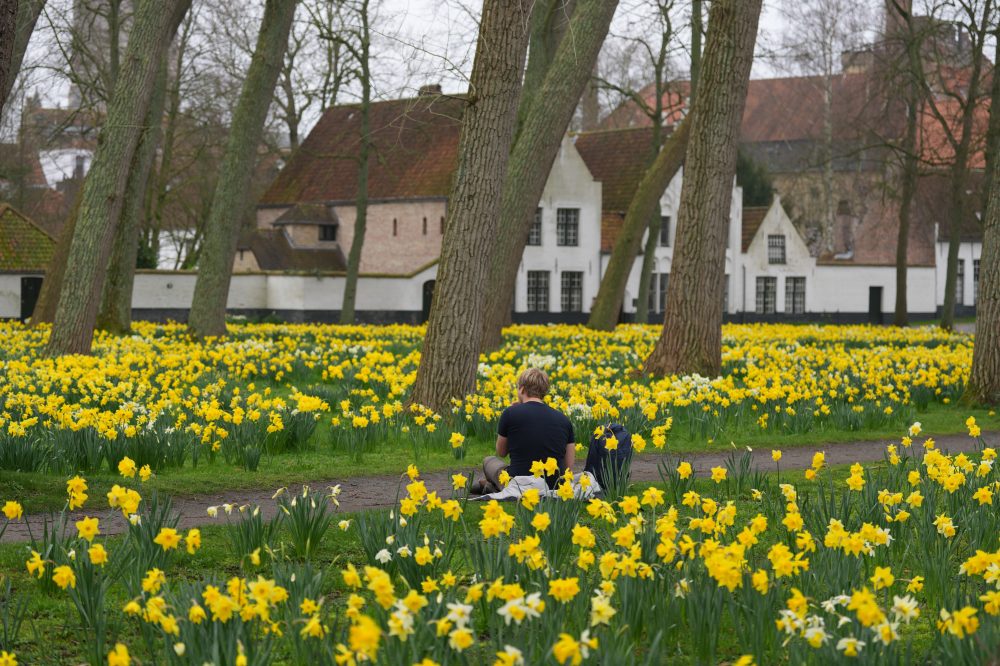 Belgium’s Beguinages: Tranquil oases in a world of noise and distraction
 The Latest: Standoff escalates after Iran closes Strait of Hormuz over US blockade