HAVANA (AP) — Some of Cuba’s sickest people are feeling the effects of the U.S. energy blockade, with surgeries delayed, kidney dialysis treatments disrupted and children with cancer facing a higher risk of death, according to a report published Monday by Cuban state-run media.
The survival rate for children with cancer has fallen to 65% from 85% before the energy restrictions began in January, according to the report released by Cubadebate. It also said 100,000 children younger than 7 are no longer receiving the daily liter of milk previously provided by the state and that the country’s 16-vaccine immunization program for infants is “at risk.”
Additionally, it said, another 100,000 Cubans are on waiting lists for surgery and the treatment schedules of nearly 3,000 patients requiring kidney dialysis have been disrupted. Regarding medication, 300 of the 395 essential medicines produced on the island are unavailable due to a lack of chemical components required to manufacture medications.
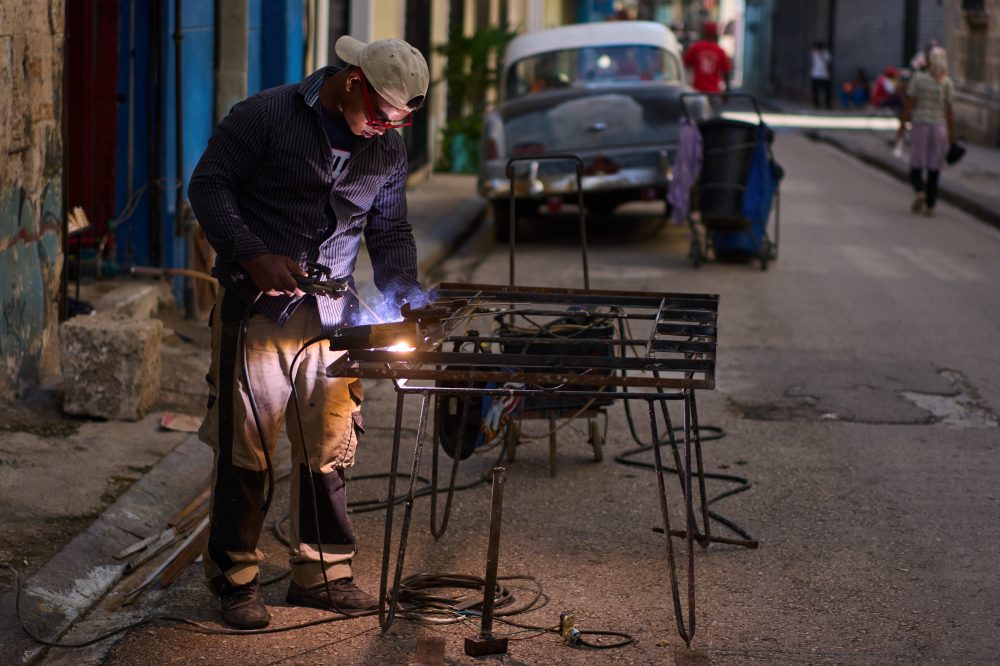
Cuba provides free, universal healthcare, but the system has been pushed to the brink as a result of resource shortages, fuel scarcity and power outages that can last more than 20 hours.
Cuba spent three months without a fuel shipment after the U.S. attacked Venezuela, a key supplier, and threatened tariffs on any country that sells or supplies oil to Cuba.
The island was already suffocating under a sharp increase in longtime U.S. sanctions, which prevent it from importing certain goods. The Trump administration demands that Cuba’s socialist government release political prisoners, implement major economic reforms and change its way of governance to avoid becoming a national security threat. Cuba has repeatedly said it poses no threat to the U.S.
As tensions escalate between both countries, United Nations officials have warned of a looming humanitarian crisis. In late March, the organization launched an emergency appeal to raise funds for the island.
“What we are experiencing now is a unique situation,” said Paolo Spadoni, an associate professor at Augusta University in Georgia. “There is no doubt that there were problems with healthcare and basic services in Cuba, but there is also no doubt that these recent events have vastly amplified what was already happening, and that we are now in a different dimension.”
Spadoni acknowledged that Cuba needs reforms and is suffering from systemic failures, but said “it is impossible to deny” that the United States bears responsibility for the “acute humanitarian crisis” unfolding on the island.
Monday’s Cubadebate report also stated that about 1,400 megawatts of generating capacity are offline because of shortages of diesel and fuel oil for smaller power plants. It added that larger thermoelectric plants need spare parts that cannot currently be transported.
Additionally, the report said that “logistical and payment hurdles” in wheat purchases have reduced bread supplies to about half of what was available before the energy restrictions and that the lack of fuel has prevented the distribution of 170 containers of essential goods.
“Beyond numbers and coercive measures, the blockade amounts to an extreme and unjustifiable form of collective punishment inflicted on the Cuban people,” the report concluded. ___
Follow AP’s coverage of Latin America and the Caribbean at https://apnews.com/hub/latin-america
Brought to you by www.srnnews.com
 South African jazz icon Abdullah Ibrahim dies in Germany at age 91 after a brief illness
 Colombia’s ELN rebels declare ceasefire before Sunday’s presidential election
 The Media Line: Netanyahu Admits ‘We Do Not Know What the Agreement Will Be,’ Vows Iran Will Never Have a Nuclear Weapon