
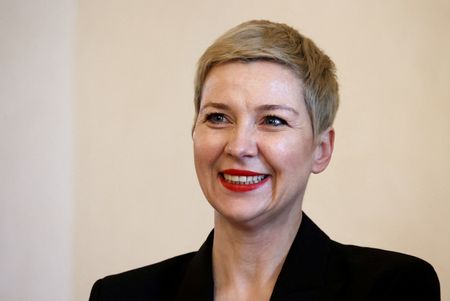
By Mark Trevelyan
LONDON, Feb 17 (Reuters) – Freed Belarusian dissident Maria Kalesnikava urged European governments on Tuesday to enter a dialogue with President Alexander Lukashenko, saying failing to engage with him would only strengthen Russian influence over Belarus.
Kalesnikava was released in December and expelled from the country after serving more than five years in prison for leading protests that were crushed by Lukashenko following a disputed election in 2020.
Now she has added her voice to a debate on whether Europe should open talks with the veteran authoritarian leader – as the United States did last year – or continue to shun him over his human rights record and backing for Russian President Vladimir Putin in his war in Ukraine.
“Belarusians must feel that they are part of Europe… The more Belarus is cut off from Europe, the more it’s structurally tied to Moscow,” Kalesnikava told an online event organised by the Chatham House think-tank in London.
“If Europe wants a stable and secure eastern neighbourhood, it cannot afford to disengage,” she added.
Nobel peace laureate Ales Bialiatski, also freed from prison in December, told the same event, however, that he was sceptical about Lukashenko’s willingness to reform the authoritarian system he has built since taking power in 1994.
“Currently Belarus resembles scorched earth,” said Bialiatski, referring to the climate of political repression and the country’s economic dependence on Russia and China.
“Society is like a pressure cooker and the lid has been tightly screwed down with all the bolts.”
Bialiatski said Lukashenko’s decision to enter into talks with the U.S. was a tactical step driven by the weakness of the economy.
“Regimes like Lukashenko’s understand only the language of strength,” he said.
U.S. REWARDS PRISONER RELEASE WITH EASING OF SANCTIONS
Bialiatski and Kalesnikava were among 123 prisoners released by Lukashenko in December after negotiations with an envoy for U.S. President Donald Trump. In return, Washington lifted its sanctions on Belarusian potash, a key export, though EU sanctions remain in place.
Critics of Lukashenko say the deal was part of a decades-long pattern of trading jailed opponents to extract rewards from the West, while giving little in return.
But Kalesnikava said it was thanks to a previous thaw with the West from 2016 to 2019 that Belarusians had glimpsed the possibility of a democratic future in Europe and sought to achieve it by taking to the streets in 2020.
The former professional flautist said issuing travel visas to ordinary Belarusians and restoring educational, cultural and professional exchanges would help to rekindle those hopes.
Not to do this, she said, would mean squandering an opportunity when Lukashenko, 71, leaves the scene.
“If the West is absent at that moment, it will lose influence over the outcome,” she said.
(Reporting by Mark TrevelyanEditing by Gareth Jones)
Brought to you by www.srnnews.com
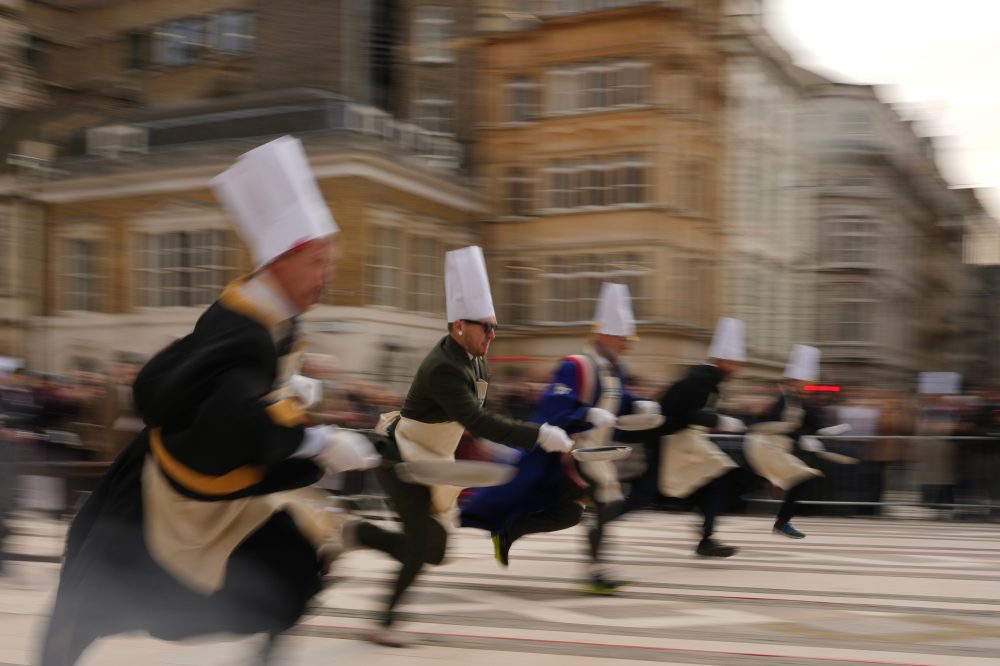 Photos of Londoners in costume sprinting with frying pans on Pancake Day
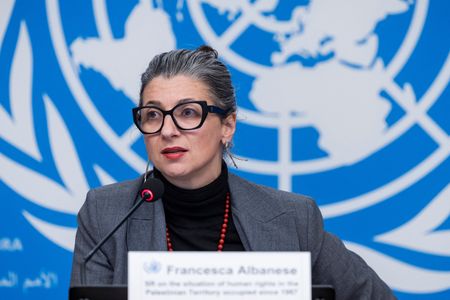 Independent UN body condemns ‘vicious attacks’ on UN expert on Palestinian rights
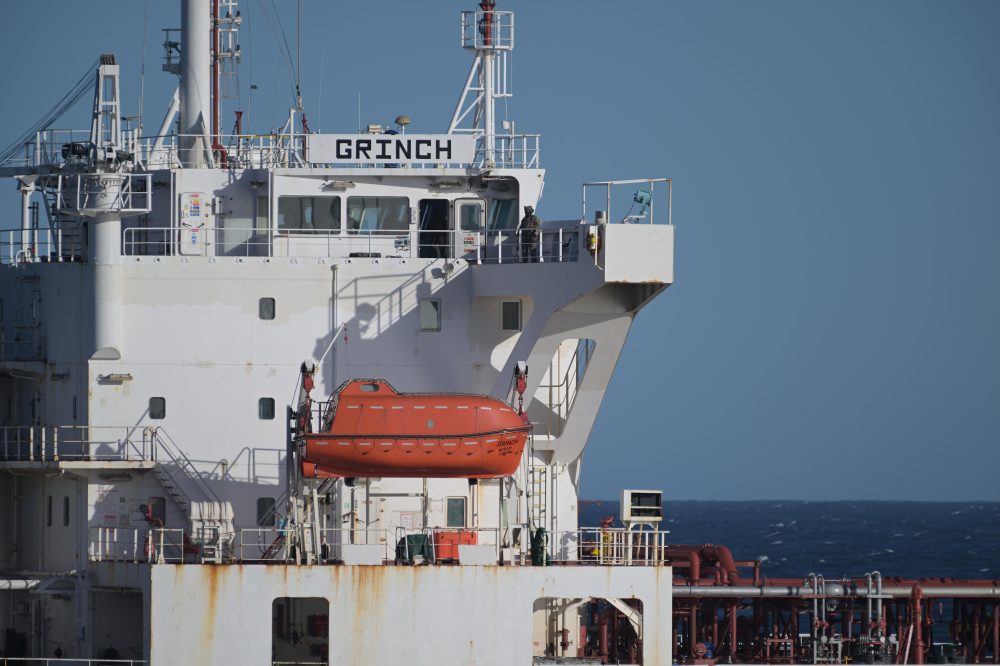 France releases suspected Russian shadow fleet tanker after multimillion-euro penalty
 Hezbollah rejects disarmament plan and government’s four-month timeline