

TANGAIL, Bangladesh (AP) — The weavers’ neighborhood near Dhaka echoes with the constant clatter of the looms with rhythmic hand movements as the artisans use colorful silk and cotton threads to weave the iconic Tangail saree.
The handloom saree is named after a central Bangladesh district that is home to hundreds of weaver families. The garment is seen as the country’s cultural symbol, showcased during festivals and wedding celebrations across the Indian subcontinent.
The centuries-old traditional saree weaving art was nominated for inclusion in UNESCO’s list of Intangible Cultural Heritage of Humanity this year.
Every garment is crafted with a fusion of tradition and craftsmanship, with aesthetic designs and intricate motifs rooted in local culture. The men usually color the yarn, weave the fabric and create designs on the looms. Women help with spinning threads on the wheels.
The Tangail saree is not just a cultural icon, it also provides livelihood to hundreds of weaver families.
With rising raw material costs and competition from cheaper, machine-woven drapes, the community is facing waning interest from younger generations to continue in the family vocation. Handloom weavers hope the recognition and heritage status from UNESCO will help preserve their craft for future generations.
___
This is a photo gallery curated by AP photo editors.
Brought to you by www.srnnews.com
 US envoy Kellogg says Ukraine peace deal is really close
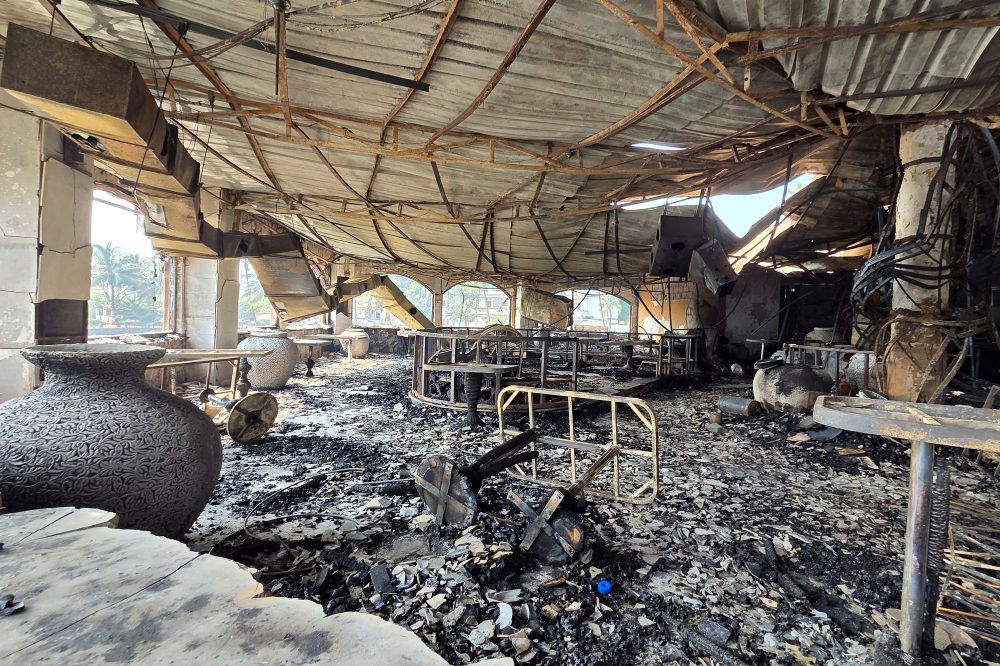 A fire at a popular nightclub in India’s Goa state kills at least 25, officials say