
By Simon Jessop, Susanna Twidale and Iain Withers
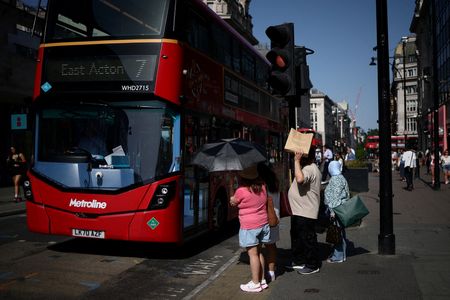
LONDON, June 25 (Reuters) – London got a glimpse of the future normal during its eighth annual climate week after an event dedicated to discussing the impacts of extreme heat at the London School of Economics was cancelled because the venue was too hot.
The event was due to have been held in a near-100-year-old building that, like many in Britain, relies on natural ventilation and fans to cool visitors rather than air conditioning. The organisers said they called it off due to a risk to public health.
For Chris Anderson, a climate expert at non-profit Practical Action, the cancellation, as British temperatures hit a provisional record June high, was a stark reminder that the dangers of a warming planet would impact everyone.
“There’s a real irony that an event designed to help vulnerable people adapt to extreme heat in a temperate, wealthy country had to be cancelled,” Anderson said.
EXTREME HEAT WARNING
Helen Clarkson, CEO of Climate Group, said the heatwave showed “science has come to life, and reality is clearly showing there is more of this to come”, as the government issued an extreme heat warning and some schools were forced to close.
Ahead of the COP31 climate talks in Turkey in November, more than 75,000 attendees from governments, companies, finance and civil society joined 1,300 events discussing ways to accelerate climate action, organisers said.
Resilience to heat and other extreme weather events such as drought, floods and storms — which hit many developing countries least able to manage them — was a key area of focus.
U.N. Secretary-General Antonio Guterres called for capital markets to see building this resilience as an asset and for governments to do more to fund projects, including taxing the windfall profits of fossil fuel producers.
The calls to move faster come as global heat-related deaths have risen 23% since the 1990s to an average 546,000 deaths a year, many of them in developing countries, an October Lancet report said.
The UK’s Climate Change Committee, an independent body advising the government, has called preparations “inadequate” and estimates that investment of around £11 billion a year is needed to fix that.
It has warned that heat-related deaths could exceed 10,000 a year by 2050.
ASIAN COUNTRIES AMONG MOST AT RISK
The abnormally hot weather was referenced by speakers from Guterres to British minister Ed Miliband and the leader of the Pacific nation of Palau, as they urged attendees to act faster to rein in global warming.
Executives at food giant Danone and consumer products firm Unilever told an LSEG event they were investing to reduce carbon and water use in agriculture, among other things.
Asian countries are among those most at risk and need to adapt quickly, said Bertrand Millot, head of sustainability at Canadian pension fund La Caisse.
“It’s a question of survival … and companies need to prepare.”
(Additional reporting by Barbara Lewis; Editing by Milla Nissi-Prussak)
Brought to you by www.srnnews.com
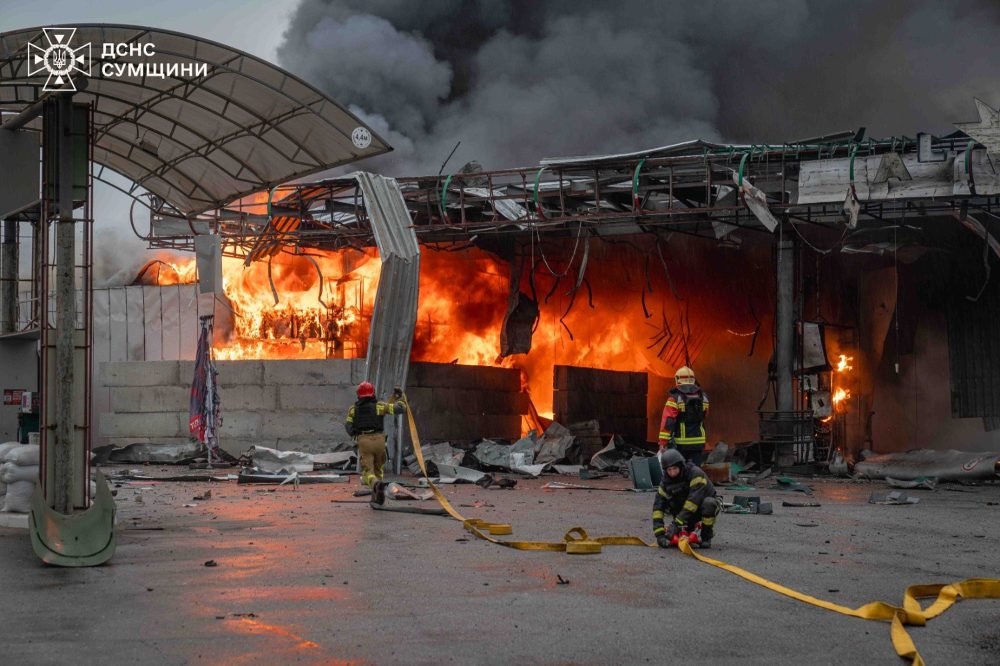 Zelenskyy says Russia is shifting air defenses to Moscow and other key sites after drone strikes
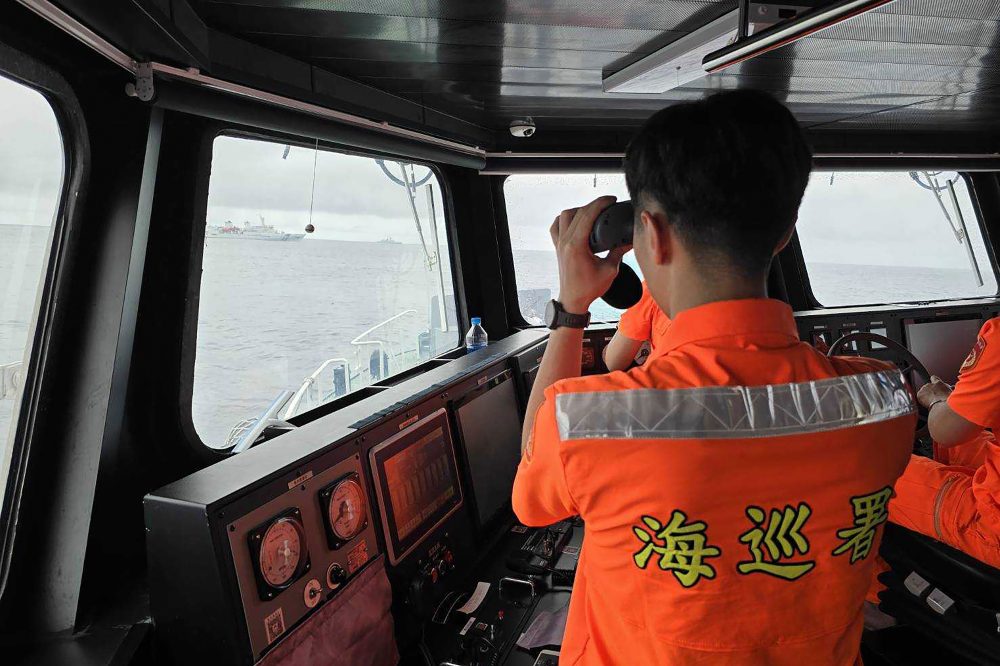 China defends patrols east of Taiwan after 3 European nations raise alarm
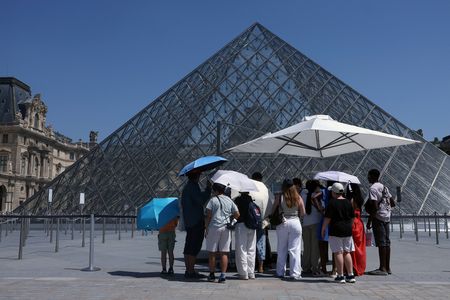 Europeans told to protect themselves as deadly heatwave takes its toll