

REYKJAVIK, Iceland (AP) — Iceland’s voters rejected a proposal to restart negotiations on joining the European Union more than a decade after previous talks ended, the national broadcaster reported Sunday.
The vote will put the long-debated issue to rest more than a decade after a euroskeptic government ended EU talks.
Opponents defeated the measure by a margin of 52.8% to 47.2%, RUV reported. The capital of Reykjavik was the only area in the island nation of 400,000 people where a majority supported the referendum.
The vote Saturday was held in the shadow of U.S. President Donald Trump’s repeated threats to control nearby Greenland, which drove some voters to favor the idea of European solidarity. Although Iceland is a NATO member, supporters said they would have greater protection from their neighbors if Trump ever made similar threats toward the volcanic island.
Iceland’s left-leaning coalition government, elected in 2024, moved up the EU referendum it had planned for next year after Trump mistakenly named Iceland four times while speaking about his designs on Greenland.
Prime Minister Kristrún Frostadóttir, who campaigned in support of the measure, said she hoped the result would not divide the nation.
“I don’t feel that there is bitterness,” she told RUV before the final results were tallied. “I know tempers run high for some people, but I have now spent time with a large group of people from all over the country and people are quite open to different outcomes.”
It was a simple yes-or-no question for roughly 265,000 eligible voters: Should Iceland resume accession negotiations with the European Union?
The vote count through the night had the nation on edge as the “Yes” vote took an early lead before eventually swinging in favor of the opposition. By dawn, a margin of only a few hundred votes separated the two camps before the gap grew as more ballots were tallied in areas of the country where opposition was greater.
“This isn’t the time to go. Maybe 10, 15, 20 years or more, like, we can take another look,” said Daniel Bjarkason, who voted against the measure.” But for now we’re too divided and that’s not a good look, because it should be 70-30 Yes if we’re going to do it.”
Opponents rallied around fishing and the fact that Iceland already reaps benefits from being in the EU’s frictionless single market and the Schengen free-travel zone without the sovereignty compromises that inevitably come with full membership. They argued that Iceland’s voice would be muted in the large European Parliament and that it would be better off cutting its own trade deals, such as one with China.
Backers said EU membership would lower inflation and interest rates, and the euro would bring more stability than Iceland’s volatile króna. They said it was also in the nation’s interest to get closer to its European neighbors to tackle issues that don’t respect borders, such as climate change.
If the proposal had been approved, it would have been a preliminary step to revive the lengthy negotiating process with the EU’s executive branch, the European Commission, to discuss areas from the economy to human rights. Voters would have to needed to approve any negotiated deal.
The influential fishing industry led opposition to the referendum out of fear that the bloc’s common fisheries policy would allow Spanish, Dutch and other trawlers into its valuable waters.
Descendants of Vikings who settled in Iceland have lived off the sea for centuries and the bountiful catches of cod, haddock and capelin are central to its national identity. It won its independence from Denmark in 1944 and has a proud history of refusing to be pushed around by bigger and richer European nations, winning the so-called Cod Wars with Britain in the 1970s over its fishing grounds.
Brought to you by www.srnnews.com
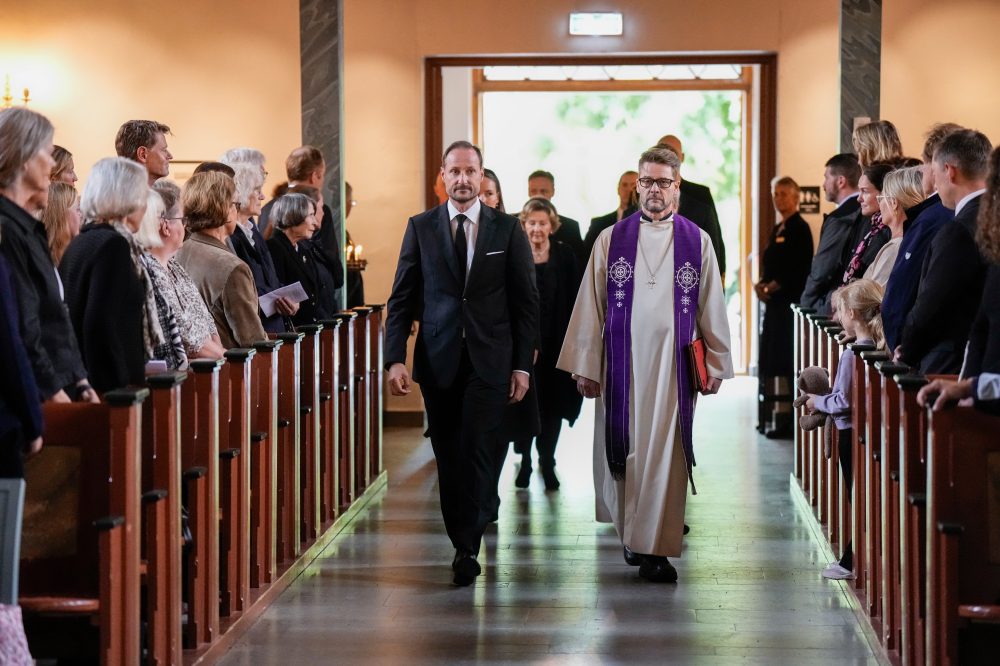 Norwegians line up at churches for emotional memorials remembering the late King Harald V
 Pakistan will award nurse for saving the sole newborn survivor of a hospital nursery fire
 US Treasury’s Bessent faces G20 diplomacy test amid tariffs, Iran war, bond turmoil