
BEIRUT/JERUSALEM, Aug 17 (Reuters) – Israeli flags planted on a main coastal highway in southern Lebanon are a violation of a U.N. Security Council resolution, the U.N. peacekeeping force in Lebanon said on Monday, urging all sides to avoid “provocative actions”.
Israel’s military invaded a swathe of southern Lebanon during a war with Hezbollah earlier this year, establishing a self-declared security zone it says aims to shield northern Israel from attacks by the Iran-backed group.
A video posted on Sunday by Israel’s Channel 12 news journalist Amit Segal showed Israeli flags flying along the Naqoura-Tyre coastal road, a primary artery for southern Lebanon and a route used by the U.N. Interim Force in Lebanon (UNIFIL).
The footage appeared to have been taken from a military vehicle.
Reuters was able to confirm the location of the video, but could not verify when the footage was filmed. Segal told Reuters he was sent the video by Israeli soldiers.
Peacekeepers have observed several Israeli flags in Lebanese territory, including recently on the coastal road and in Naqoura village, UNIFIL spokesperson Kandice Ardiel said.
Ardiel said the Israeli flags were a violation of U.N. Security Council resolution 1701, which ended a 2006 war between Israel and Hezbollah.
“As always, we call on the IDF and all actors to cease violations of the resolution and avoid any provocative action that could increase tensions or trigger further violations,” Ardiel added.
Israel’s military, in response to a request for comment, said that its forces were “operating in southern Lebanon with the aim of removing threats posed by the Hezbollah terrorist organization to Israeli civilians and IDF troops, in accordance with international law”.
“Israel is not acting against the Lebanese state or its citizens,” the military said.
There was no immediate comment from the Lebanese army.
Israeli Defence Minister Israel Katz said last week that Israel won’t withdraw from southern Lebanon until Hezbollah is disarmed.
A U.S.-brokered deal between the governments of Lebanon and Israel foresees a progressive Israeli withdrawal linked to Hezbollah’s verified disarmament.
Hezbollah, founded by Iran’s Revolutionary Guards in 1982, strongly opposes Beirut’s talks with Israel and has ruled out any discussion of its weapons before an Israeli withdrawal.
Israeli Prime Minister Benjamin Netanyahu, who is facing an October election, listed the buffer zone as a major achievement when visiting troops on June 30.
The zone is mostly empty of Lebanese civilians who fled villages that are now all but destroyed.
At least 11 people were killed in Israeli strikes in southern Lebanon on Saturday, the Lebanese health ministry said, some of the deadliest in weeks. The Israeli military said it struck Hezbollah infrastructure in response to actions against its soldiers there.
(Reporting by Nayera Abdallah in Beirut, additional reporting by Emily Rose in Jerusalem and Vinaya K in Bengaluru; Editing by Alex Richardson)
Brought to you by www.srnnews.com
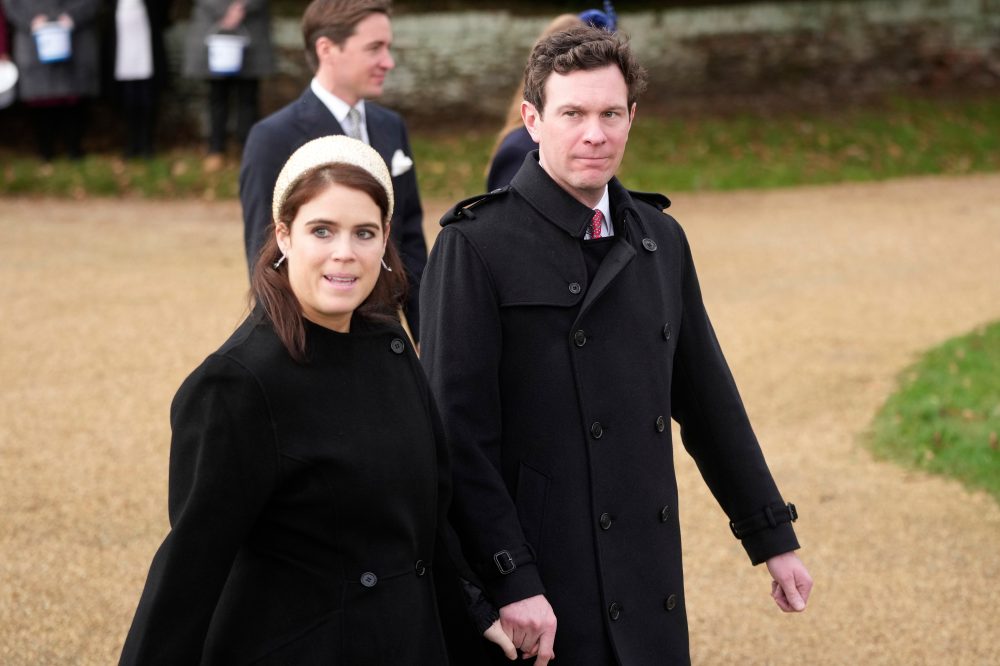 Britain’s Princess Eugenie names new daughter Adelaide Elizabeth Annina
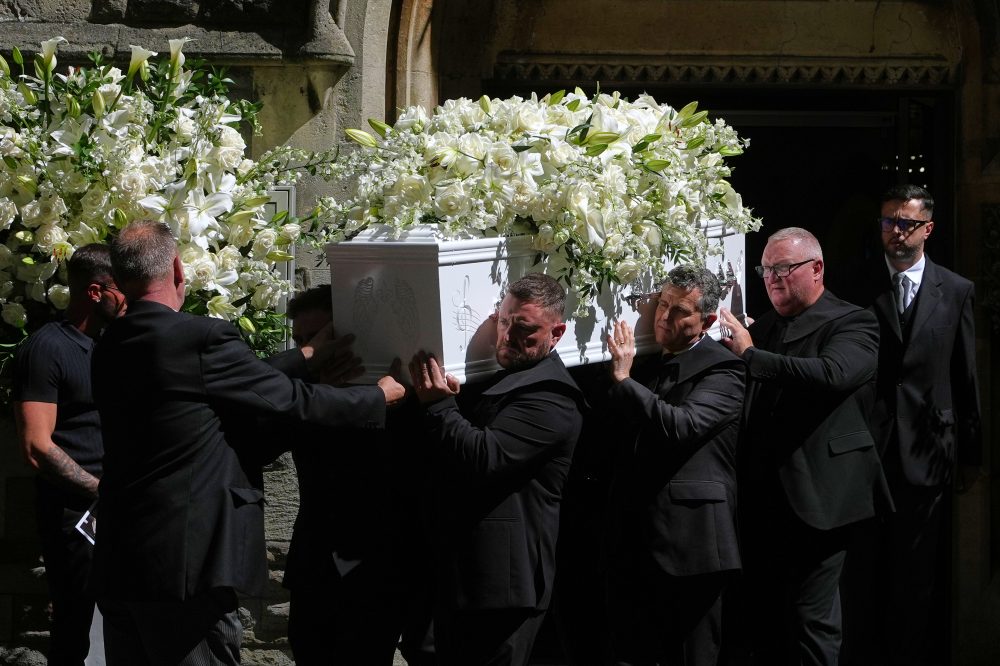 Bonnie Tyler is remembered as worldwide star at her Welsh funeral
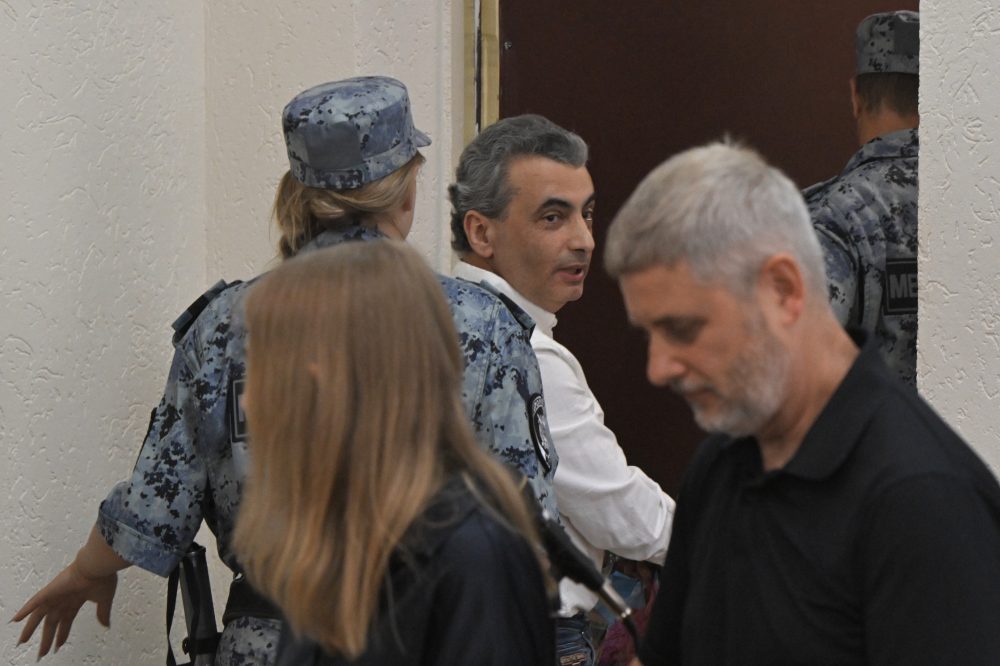 Russian court jails a Kremlin critic for 11 years for opposing the war in Ukraine
 Battered by war, Iran’s rulers wary of more economic pain and unrest if US tightens pressure