
By Ahmed Elumami
TRIPOLI, Aug 30 (Reuters) – Representatives of Libya’s rival political parties on Sunday signed an agreement on holding long-delayed national elections within two years to resolve contentious issues over electoral laws and reform the national elections body.
• The political process to resolve more than a decade of conflict in Libya has been stalled since an election scheduled for December 2021 collapsed following disputes over the eligibility of the main candidates.
• Sunday’s signing ceremony was held at the United Nations Support Mission in Libya, UNSMIL, in the Libyan capital Tripoli.
• It followed talks in a smaller format, known as the 4+4, that involved two representatives of each of Libya’s four main institutions: the Government of National Unity, the High Council of State, the House of Representatives and the Libyan National Army.
• Walid Ellafi, state minister of political affairs and communications in the Government of National Unity, said legislative and presidential elections should be held “within a period not exceeding 24 months” under a single executive authority and unified national institutions.
• Shibani AbuHamoud, head of the army’s general command, said the 4+4 would work with UNSMIL “to develop a framework within one month of the signing of the agreement to follow up on all matters related to its implementation”.
• The agreement says that if Libya’s House of Representatives and High Council of State fail to approve the deal within a month, the parties will seek to adopt it nationally as a constitutional document through broad national mechanisms and secure international backing through the U.N. Security Council.
• Libya has had little stability or security since a 2011 NATO-backed uprising.
• It split in 2014 between warring eastern and western factions but there has been little major warfare since a 2020 ceasefire.
• All Libya’s major political players have repeatedly called for elections, but many Libyan people have voiced doubts that they would want a vote that could push most of them from positions of authority.
(Reporting by Muhammad Al Gebaly and Eman Abouhassira; Writing by Ahmed Elumami; editing by Barbara Lewis)
Brought to you by www.srnnews.com
 At least 7 dead after ferry carrying nearly 270 passengers and crew capsizes off northern Cyprus
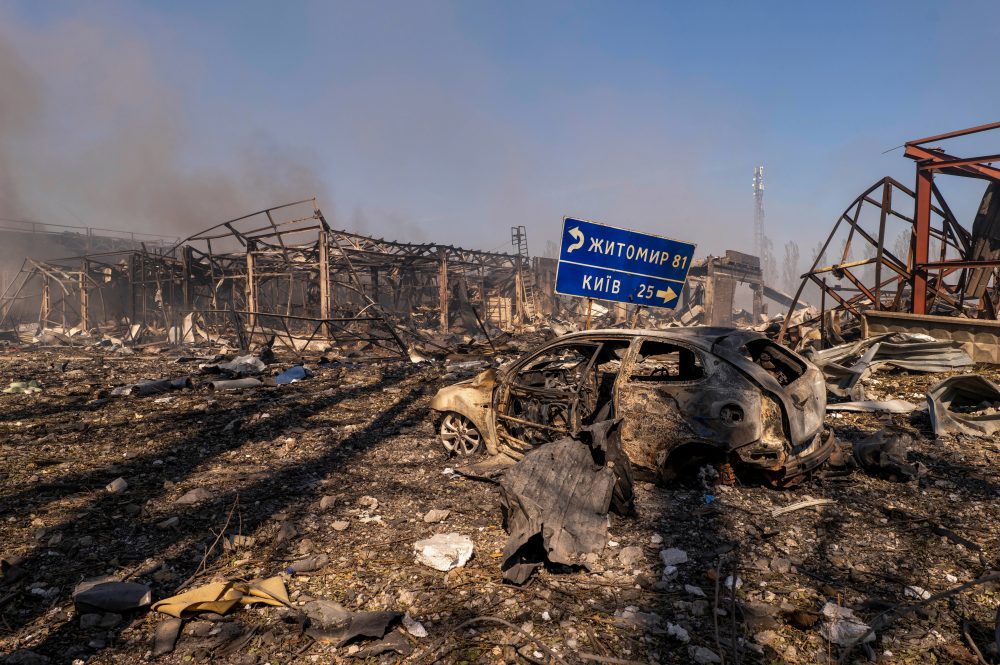 Death toll rises to 38 from Russia’s deadliest attack on Ukraine this year
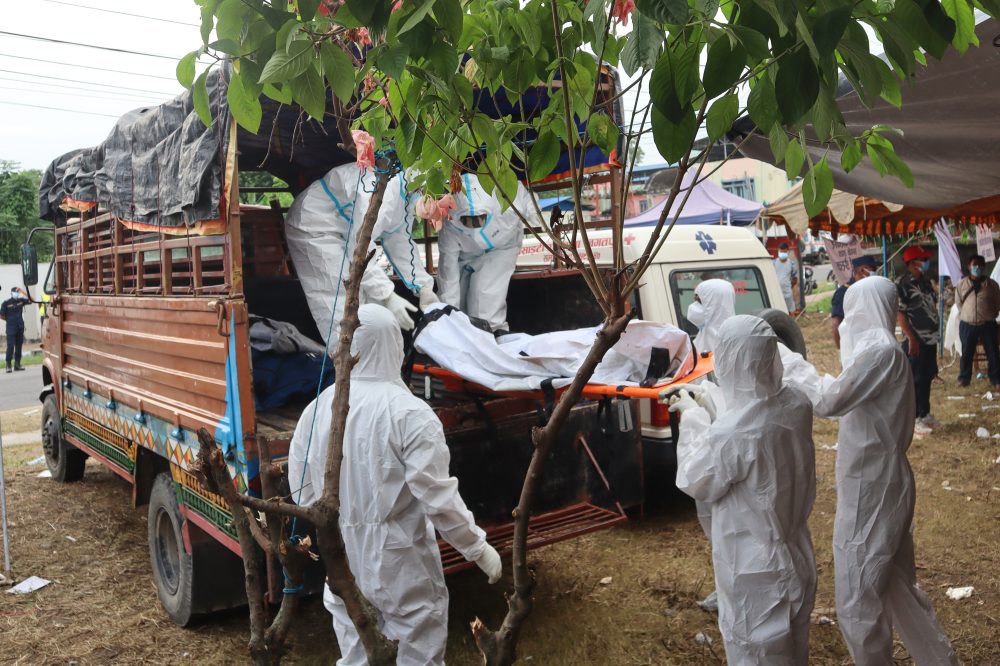 In one Nepal district, flood catastrophe is measured in bodies and burial trenches
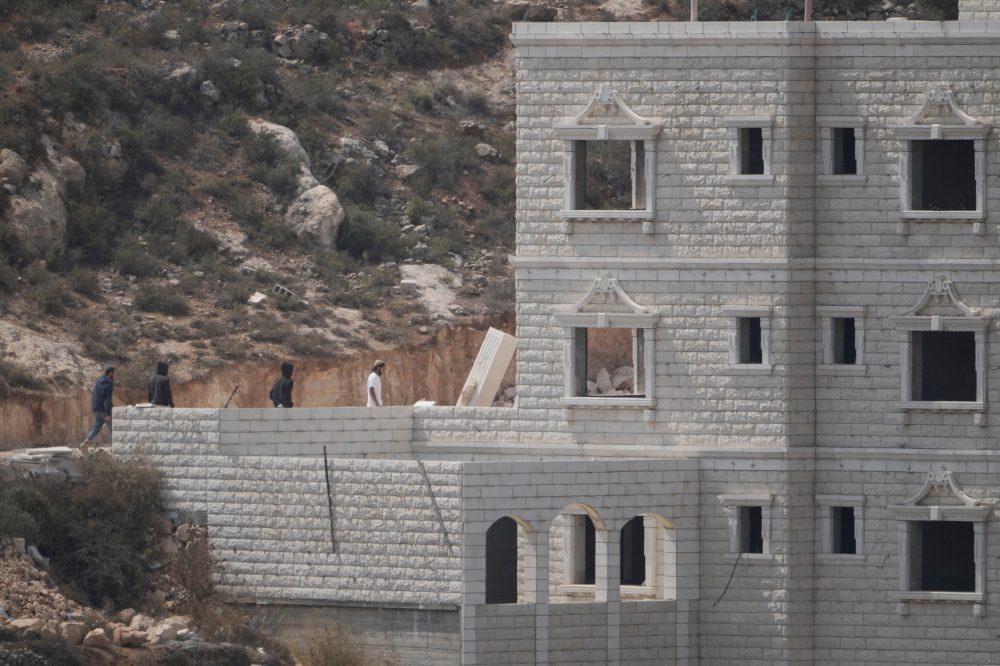 Iran’s leader calls for Muslim unity, NBC crew attacked in West Bank and other Mideast news