
PARIS, Sept 3 (Reuters) – Criminal use of informal banking networks has become a global problem and is growing, the Financial Action Task Force said on Thursday, urging companies and governments to do more to combat professional money-laundering services.
Here’s what the global money laundering and terrorist financing watchdog FATF said in a report:
• Criminal misuse of non-bank settlement methods, including hawala and other similar service providers (HOSSPs) – which move payments through agents rather than regulated financial institutions – is “a widespread global phenomenon”.
• Illicit networks, once used mainly to launder the proceeds of cash-based crime such as drug trafficking and smuggling, now also process funds from fraud, cybercrime, terrorist financing, illegal gaming and gambling, as well as international organised crime.
• Professional service providers are increasingly involved in facilitating the schemes, including lawyers, accountants, auditors, consultants and real estate agents, FATF member states who contributed to the report said.
• Encrypted communications, fintech, anonymity-enhancing tools and the growing use of crypto and other new technology – have transformed informal money-transfer networks, and can make them faster, more opaque and more resilient.
• Underground banking and HOSSP-based money laundering have become increasingly professionalised, with some operating like sophisticated businesses.
(Reporting by Elizabeth Howcroft in Paris; editing by Philippa Fletcher)
Brought to you by www.srnnews.com
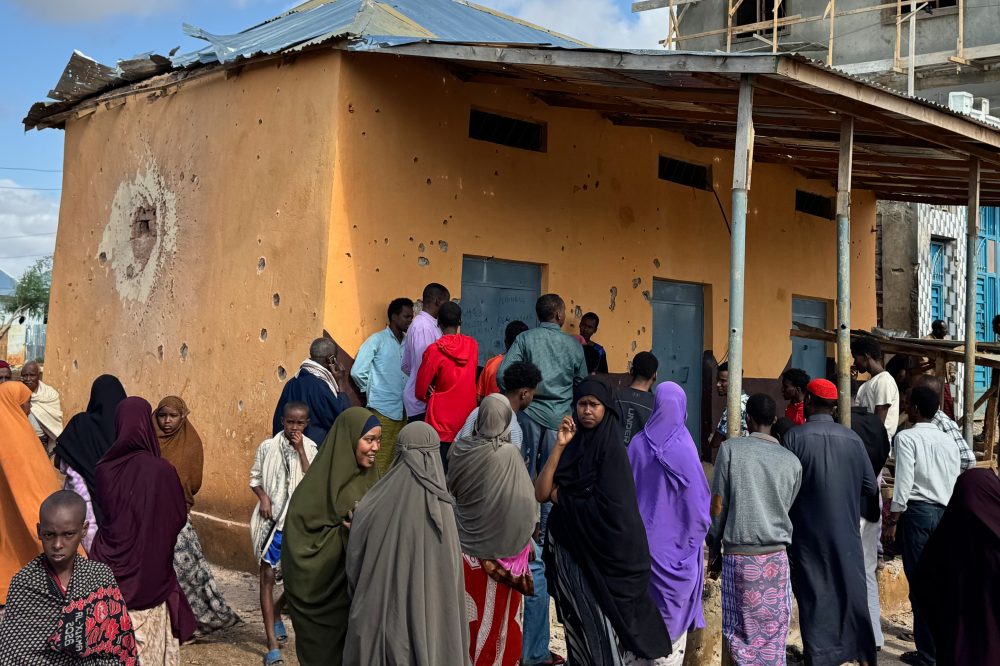 Renewed clashes erupt in southwestern Somalia between government and militias
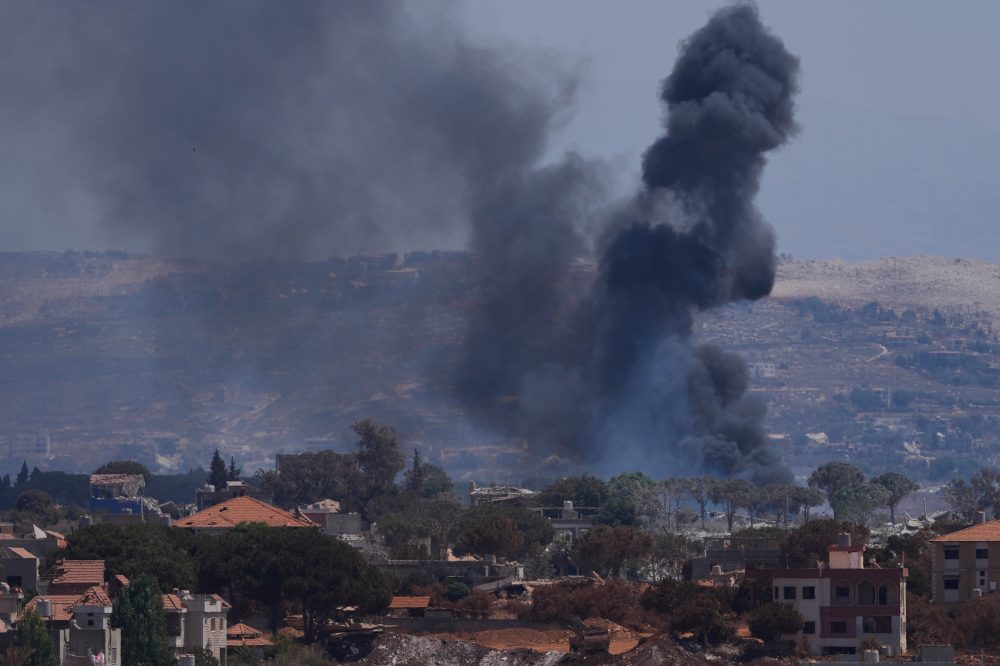 A Lebanese man held prisoner in Israel is released and handed over to Lebanon
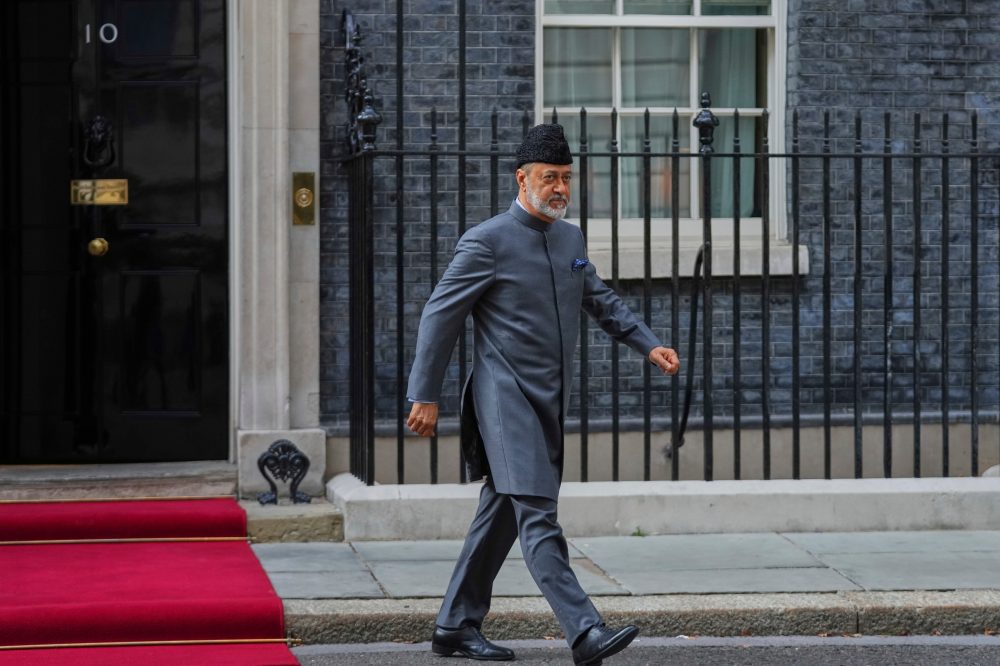 Sultan of Oman to make state visit to UK, balancing pressures from US and Iran
 Japanese scientist Shirakawa, co-winner of 2000 Nobel Prize in chemistry, dies at 90