
BANGKOK (AP) — Myanmar’s largest city has registered a concerning rise in acute diarrhea cases, state media said Friday, adding to the hardships of a country grappling with severe flooding and civil war.
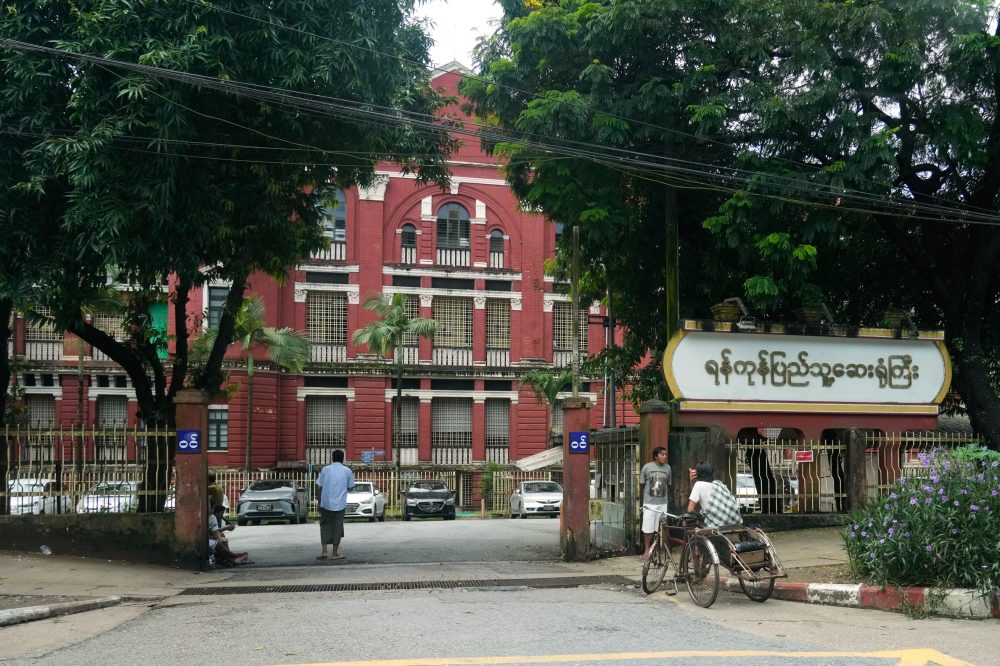
The state-run Myanma Alinn newspaper said 182 patients from Yangon were admitted to the city’s general hospital with diarrhea the past four days, including 93 who tested positive for diarrhea-causing pathogens.
The report did not specify the pathogens detected or whether the cases were confirmed as cholera.
The Myanmar news outlet Eleven Media, citing Aye Mya Thae Phyu, a lawmaker from Yangon’s Latha township, reported on Wednesday that the patients who tested positive had cholera.
The military’s information team told journalists Thursday that a 92-year-old patient died from the disease.
Aung Lin Aye, deputy medical superintendent at Yangon General Hospital, was quoted in Friday’s newspaper as saying that the number of diarrhea cases had increased significantly over the previous days and the hospital was providing treatment with a focus on preventing deaths.
Nanda Win, head of the Yangon Regional Department of Public Health, said cases were particularly concentrated in downtown Yangon’s Chinatown area, where street food vendors, restaurants and bars are clustered, according to the report.
He pointed to takeout food and contaminated water used by street vendors as possible sources of the illness, while noting that the number of cases had begun to decline.
Another state-run newspaper, Global New Light of Myanmar, said authorities asked street food vendors selling high-risk items to close for about three days to curb the spread.
Three bars and restaurants in Chinatown confirmed the three-day closure to The Associated Press.
Acute diarrhea is a recurring challenge for Yangon during the monsoon season. In 2024, more than 2,200 people were hospitalized with acute watery diarrhea in Yangon, with 15 deaths reported, according to World Health Organization data.
The latest development comes as flooding continues to affect communities elsewhere in the country, adding to the pressures on a population already struggling with years of conflict after the army seized power from the elected government of Aung San Suu Kyi in 2021.
Brought to you by www.srnnews.com
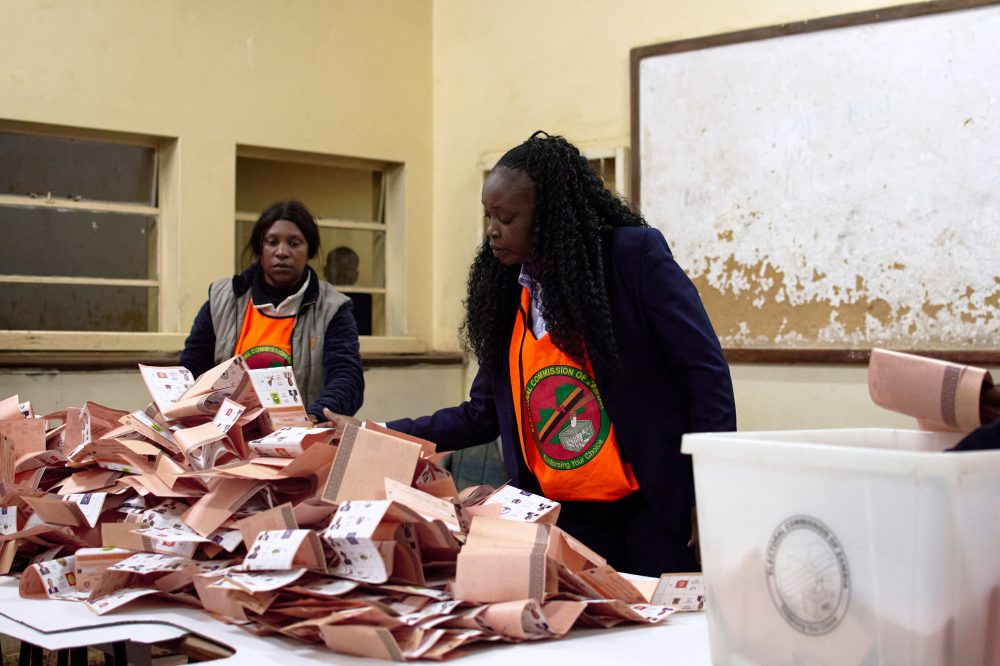 Zambia suspends vote counting in election over reports of violence and the theft of ballot papers
 Italian police recover stolen Renoir, Cézanne and Matisse paintings worth millions
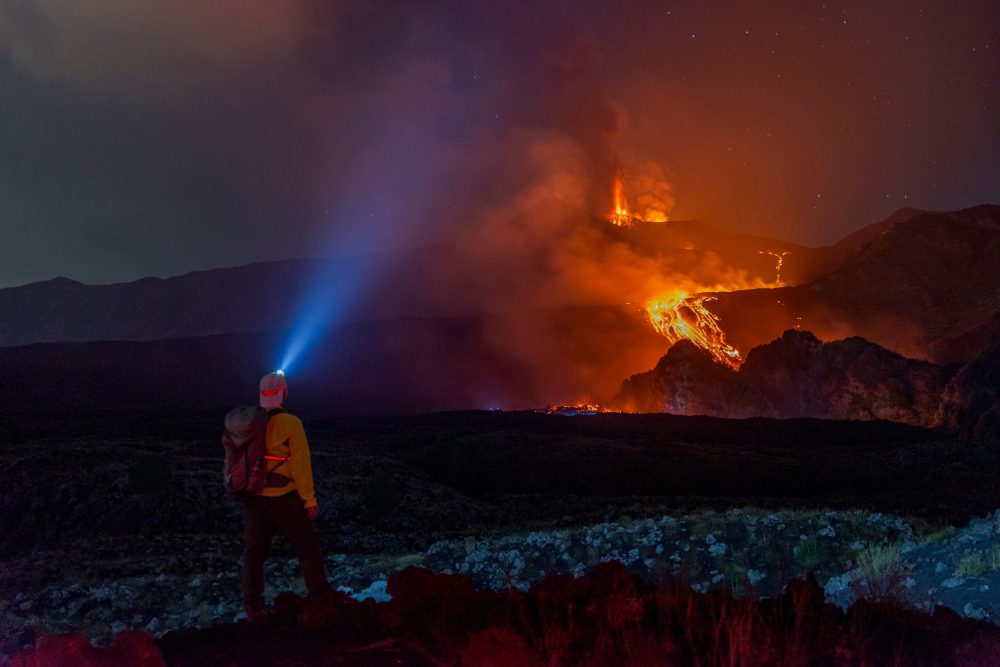 Persistent Etna ash shuts Catania airport during peak holiday week