
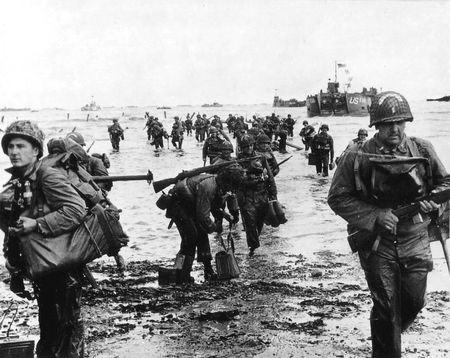
PARIS, July 26 (Reuters) – The Normandy D-Day beaches where Allied forces landed on June 6, 1944, to fight Adolf Hitler’s Nazi troops and go on to liberate France have become a UNESCO protected world heritage site, the United Nations body said on Sunday.
• In a statement on its website, UNESCO said that the beaches formed an “exceptional cultural landscape shaped both by the events of 1944 and by their enduring remembrance”, which therefore justified becoming a protected heritage site.
• The Normandy D-Day beaches are regularly the focus of commemorations featuring world leaders from the United States, Britain, Canada and France.
• Soldiers participating in the Normandy landings came from the United States, Britain, Canada, Belgium, Norway, Poland, Luxembourg, Greece, Czechoslovakia, New Zealand and Australia. Some 177 French commandos also took part.
• The assault marked a decisive stage in the liberation of Europe from Nazi Germany in World War Two.
• In total, 156,115 Allied troops either landed by sea — on to beaches codenamed Utah, Omaha, Gold, Juno and Sword — or were airdropped behind German coastal defences.
(Reporting by Sudip Kar-Gupta; Editing by David Holmes)
Brought to you by www.srnnews.com
 Honduras ex-President Hernandez to return home after Trump pardon
 Finnish architects’ humanist take on modernism recognised by UNESCO
 Ugandan diplomat Otunnu joins race to become next UN head
 Senegal’s President Faye launches new party, cementing ruling camp split