
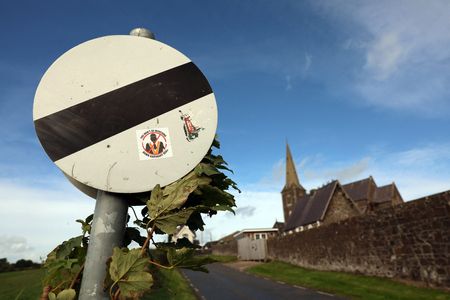
By Amanda Ferguson
BELFAST, Sept 25 (Reuters) – Authorities in Northern Ireland on Friday allowed what was once the most contentious Protestant parade of the annual marching season to pass through a Catholic area for the first time since the route was banned in 1998.
Northern Ireland’s Parades Commission — set up to regulate marches during the province’s sectarian conflict — permitted the Orange Order to march along the Garvaghy Road, a Catholic enclave in the largely Protestant town of Portadown, during their annual Drumcree parade on Sunday.
It said it would impose conditions on the parade, including its size, timing and music, but not the route.
The dispute over the route became one of the defining flashpoints of the conflict in Northern Ireland.
Annual attempts by the Protestant Orange Order to march through the area triggered unrest across the British-run region before the route was banned in 1998, the same year the Good Friday Agreement largely ended the three decades of violence known as the “Troubles”.
An initial decision by the Commission to restrict this year’s parade was quashed by the High Court in August over a procedural error. The Orange Order, which lodged the court challenge, then re-applied to hold a scaled-back march on September 27.
On Friday, the commission said in its determination that it “understands the genuine hurt experienced by many residents”, but said the limits on participants and other measures could address their concerns and minimise disruption.
The determination stipulated that no more than 35 people could take part in the march, that it should begin by 8 a.m. local time and finish by 9:30 a.m., and that no supporters or bands would be allowed. The applicants had wanted to hold the march in the afternoon with 60 participants.
DECISION CONDEMNED BY IRISH NATIONALISTS
Politicians from the main pro-British unionist parties, who had argued the Garvaghy Road formed part of the parade’s traditional path and reflected their British heritage, welcomed the decision.
“We are in 2026 and Orangemen walking silently and peacefully down a road should not be a major issue in a shared society,” DUP Leader Gavin Robinson said.
Garvaghy Road residents appealed to the Commission during a series of meetings this week not to allow the parade to pass their homes. Both they and Irish nationalist politicians have said the dispute was settled almost three decades ago.
Northern Ireland’s First Minister Michelle O’Neill, who is also vice president of the Irish nationalist Sinn Fein party, condemned the decision.
“This march is steeped in a history of hate, sectarian violence, and murder,” she said in a statement, adding that the peace of the last 28 years in the Garvaghy Road community needed to be protected.
The original ban in 1998 required a large security operation. Hundreds of British troops criss-crossed fields with thousands of metres of razor wire and dug a long ditch that was later partially filled with water to act as a moat to keep the Protestant marchers away from the Catholic enclave.
(Reporting by Amanda Ferguson, writing Padraic Halpin; Editing by Ros Russell and Andrew Heavens)
Brought to you by www.srnnews.com
 Trump sees no urgency for Canada deal as trade dispute deepens, USTR says
 UN expands list of companies linked to Israeli settlements
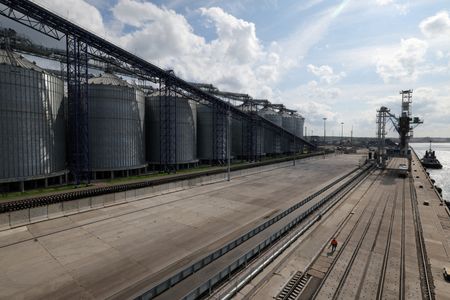 Russia can restart 80% of Black Sea grain export terminals if attacks stop
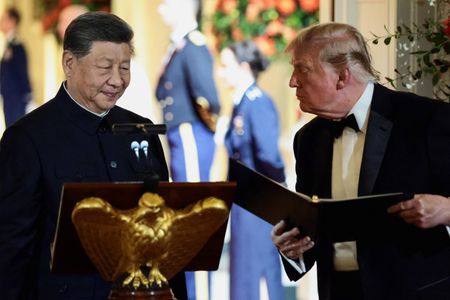 Trump Hosts Chinese President Xi For WH State Dinner