
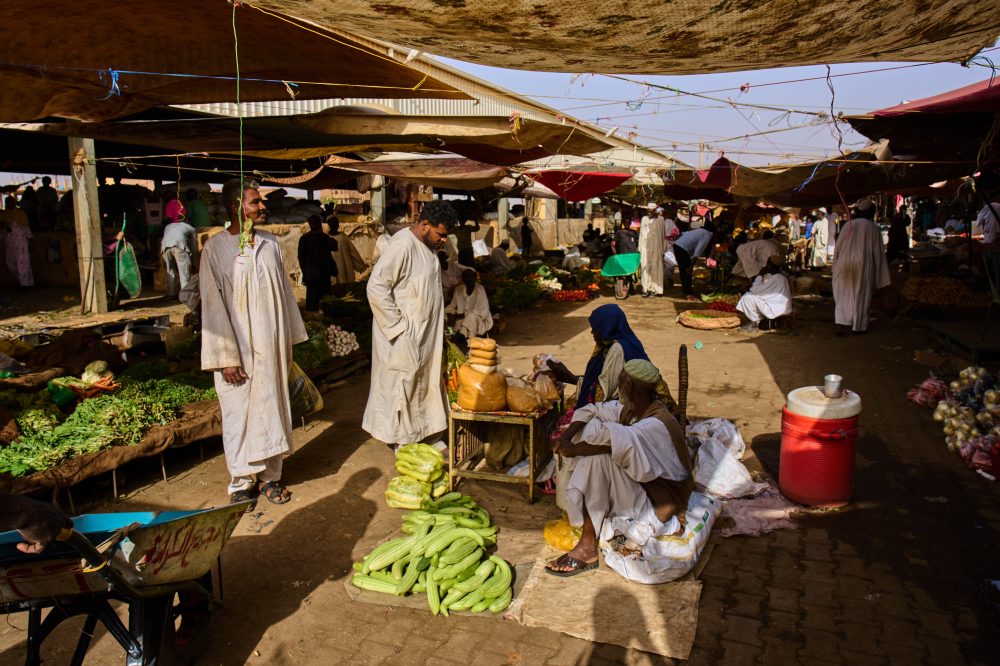
CAIRO (AP) — More than 40% of the population in war-torn Sudan are facing high levels of acute food insecurity through May as the conflict enters its fourth year, a global hunger monitoring group said Thursday.
The Integrated Food Security Phase Classification, or IPC, said in a new assessment that of the nearly 19.5 million people facing this level of food insecurity, 135,000 people were in Phase 5, which is characterized by “extreme food gaps, starvation, very high levels of malnutrition, and death due to disease or acute malnutrition.”
“Conditions are expected to deteriorate further in the upcoming June–September lean season,” the IPC assessment statement read. It warned that an estimated 825,000 children under 5 years old are expected to suffer from severe acute malnutrition in 2026 amid limited access to medical treatment, marking a 7% increase compared to last year and a 25% increase compared to prewar levels.
More than 98,500 children received treatment for severe acute malnutrition between January and March, according to the IPC.
The war in Sudan broke out in April 2023 after long-simmering tensions between the army and the paramilitary Rapid Support Forces erupted into a full-scale armed conflict. At least 59,000 people have been killed, some 13 million displaced, and many parts of the country have been pushed into famine. More than 30 million people are in need of humanitarian assistance.
The IPC said Thursday that it found that no area is in famine, but warned that 14 areas in the provinces of North Darfur, South Darfur, and South Kordofan are at risk of famine if conflict intensifies, food access worsens, healthcare and sanitation decline, and displacement increases.
Last year, famine was confirmed in el-Fasher, a major city in the western Darfur region, and in the town of Kadugli, in South Kordofan.
Farmers in Sudan are bracing for an expensive planting season as costs of fertilizers, gasoline to power farm equipment and diesel for irrigation pumps increase due to the conflict in the Middle East.
The Gulf region, where hundreds of commercial ships have been stranded for weeks because of Iran’s grip on the Strait of Hormuz, provides over half of Sudan’s fertilizer that’s imported by sea. Fuel prices have shot up by around 30%.
Brought to you by www.srnnews.com
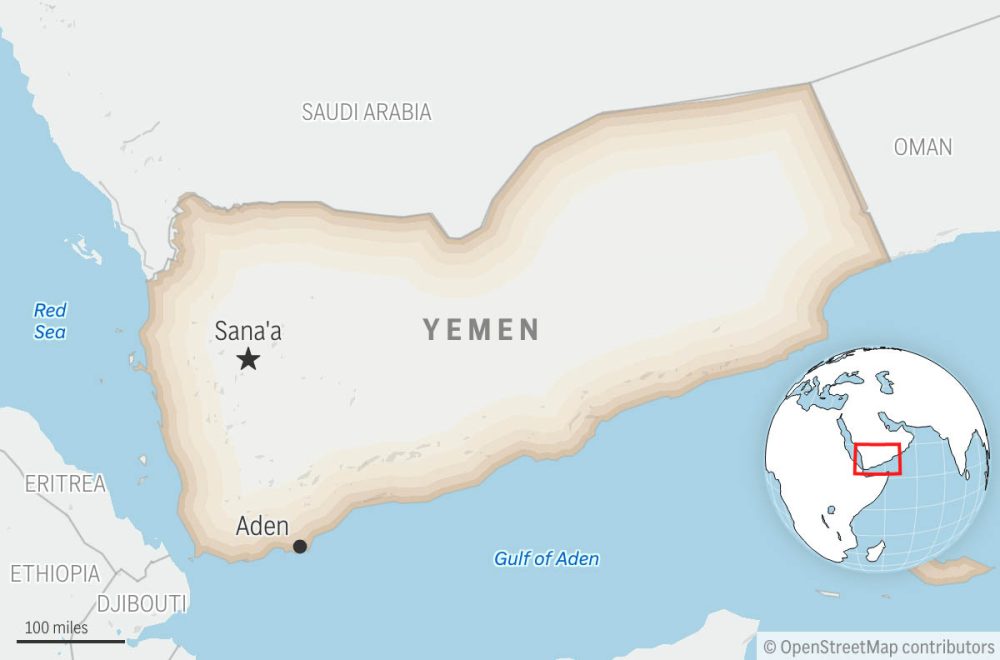 Yemen sides agree to release over 1,600 detainees in the largest swap of 11-year war
 What to know about contenders who could replace Keir Starmer as Britain’s Labour leader
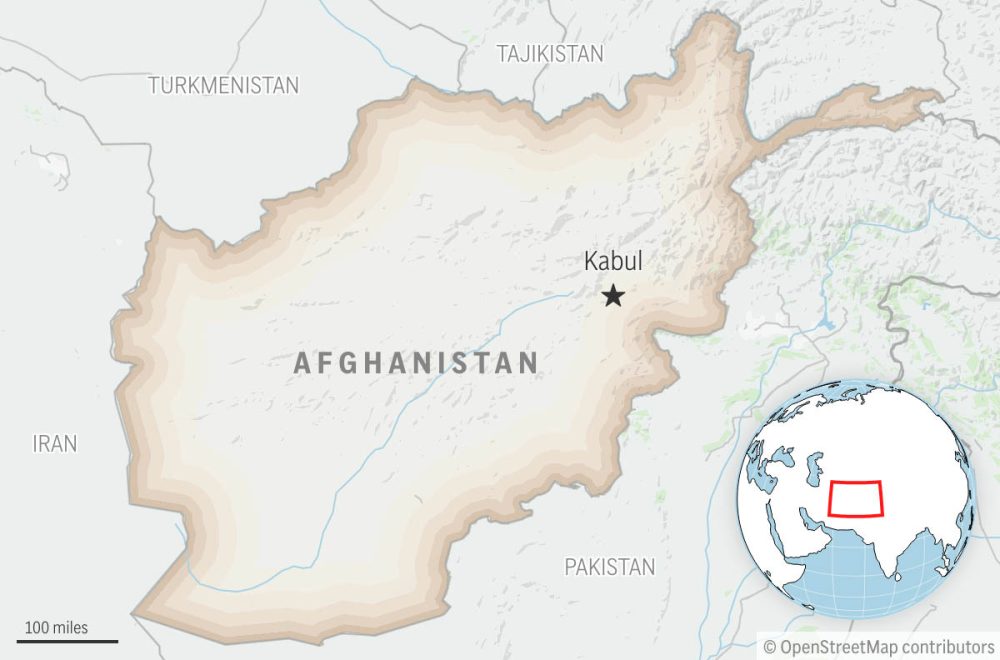 UN and media rights groups say Afghanistan’s Taliban have arrested 3 journalists
 What to know about Xi’s warning to Trump over the ‘Taiwan Question’