
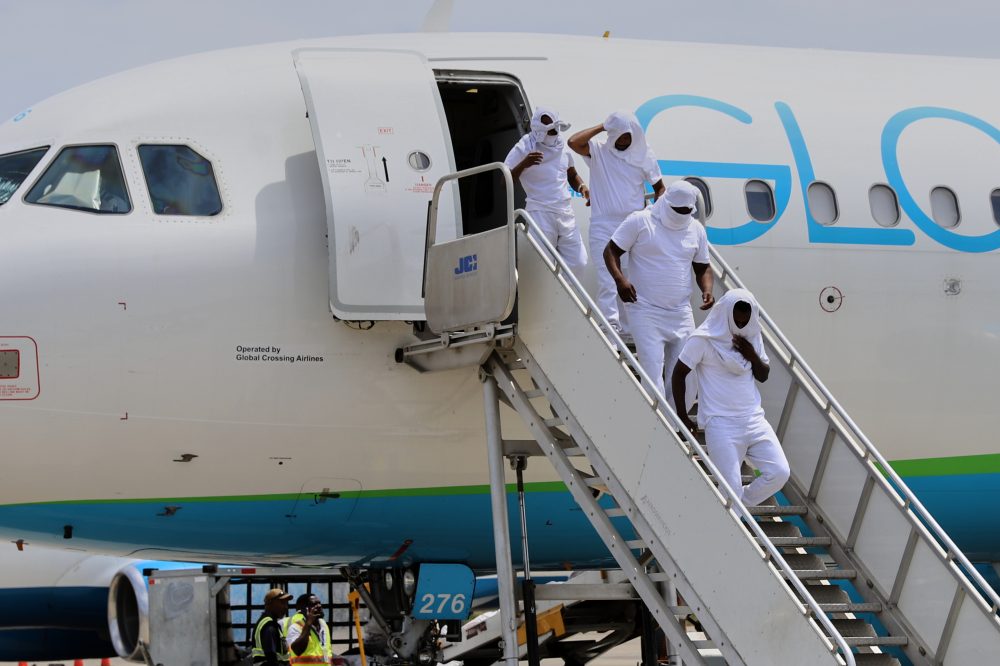
SAN JUAN, Puerto Rico (AP) — Human Rights Watch released a report on Monday detailing the hardships faced by hundreds of people deported by the United States to gang-ravaged Haiti.
The report is the first intimate look at the lives of deportees who have declined to speak at length with journalists because they fear for their safety. Gang violence is surging and hunger and poverty are deepening.
The U.S. has deported more than 470 people to Haiti since July, including people who lost Temporary Protected Status, which had allowed them to live and work legally in the U.S.
The main international airport in Port-au-Prince is considered too dangerous because of persistent gang violence, so deportation flights are landing in the northern city of Cap-Haitien. Mayor Michel Saint-Croix told Human Rights Watch that the city’s population has tripled to more than 1 million in the past two years as it receives deportees and Haitians fleeing violence elsewhere in the country.
The deportees’ arrival has strained already limited resources. Haitian migration officials said the U.S. government has told them it planned to send as many as two deportation flights a week, each carrying about 200 people, according to the report.
Human Rights Watch said it interviewed 44 deportees, as well as Haitian and international officials.
Deportees said they went for hours without food or water and days without bathing or changing clothes while held at U.S. immigration detention facilities. The interviewees said their belongings, including official documents and money, were not returned to them when they arrived in Haiti.
U.S. Immigration and Customs Enforcement and the U.S. Department of Homeland Security did not immediately respond to a request for comment.
The rights group said it reviewed passenger manifests for two deportation flights in August. Neither contained information about the deportees’ immigration status or the grounds for their removal.
Most of the 44 deportees interviewed said they had fled Haiti’s worsening security and humanitarian crises and settled in U.S. states, including Florida, New York, Indiana and Ohio. They found work in sectors such as construction, healthcare and manufacturing.
Many said they were from Port-au-Prince or surrounding areas, where armed men control an estimated 70% of the capital. Others said they were from the Artibonite region, which is under assault by violent gangs.
The deportees lived in the U.S. for anywhere from two to 14 years before being sent back to Haiti. Among them was a 38-year-old unidentified man who said he had lived in Florida since December 2019 and worked at the same hotel for more than six years.
His wife and 5-year-old son, who is a U.S. citizen, remain in Florida, according to the report.
“I worked so that he could grow up without the fear, violence, and uncertainty that I had known in Haiti,” the man was quoted as saying.
He and several other deportees said they had Temporary Protected Status, although the rights group noted it could not independently verify those claims.
A 47-year-old woman said she had lived in Miami with her husband, a U.S. citizen, and was arrested when she attended an interview to apply for permanent residence.
“Once detained, most interviewees said authorities did not allow them to contact their lawyers or appear before an immigration judge, while many received little or no information about their pending asylum claims, the grounds for their detention, or how they could challenge their deportation,” Human Rights Watch said.
Another deportee was a 24-year-old nursing assistant student who said she applied for asylum after fleeing Haiti in 2023 after gangs attacked her community.
At least 19,380 people were reported killed across Haiti between January 2023 and June 2026, according to the United Nations.
Hunger and poverty also are deepening as Haitian police and a U.N.-backed mission struggle to contain gang violence. More than 253,000 children aged six months to 5 years are expected to suffer acute malnutrition in upcoming months, according to a new report by Haiti’s government and agencies including UNICEF.
“The United States is returning people, some with pending asylum claims, to a country that doesn’t have the capacity to protect them from violence, let alone help them find food and shelter,” said Nathalye Cotrino, senior Americas researcher at Human Rights Watch. “The U.S. government should immediately halt these removals.”
Deportees arriving in Haiti are given a simple meal, a drink and about $77 in cash.
“After registering, deportees were left to fend for themselves, and many did not know what to do or where to go next,” the report said.
Brought to you by www.srnnews.com
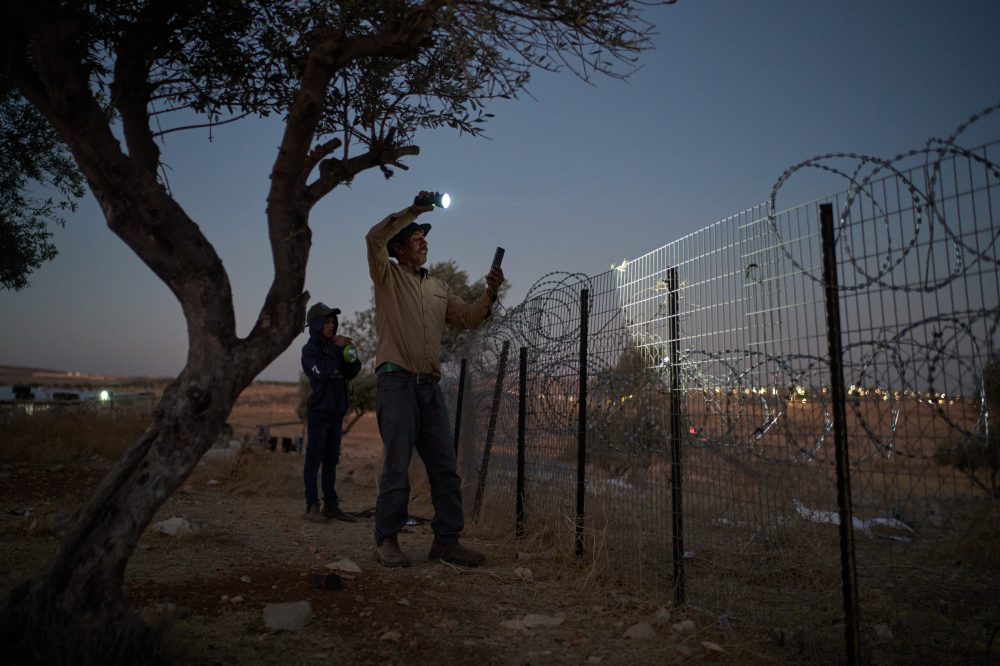 A flashlight and unseen settlers: Photographer conveys West Bank family’s nightly watch in 1 photo
 Exclusive-IDB drafts two-year Venezuela plan, says electricity and social needs are key
 Far-left leader pushing to lead Berlin says city has voted for change