
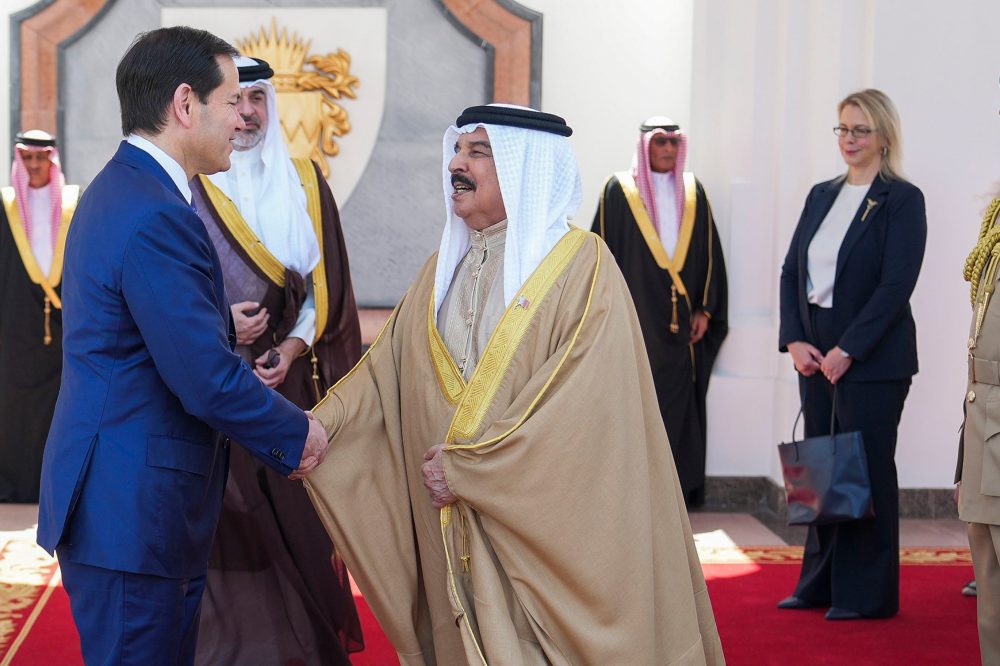
MANAMA, Bahrain (AP) — U.S. Secretary of State Marco Rubio said Thursday that relations between the United States and its Gulf Arab partners are rock solid, despite fears by some of them that they might be left out of discussions aimed at ending the war with Iran.
Rubio used a three-day, three-nation trip to the United Arab Emirates, Kuwait and Bahrain this week to try to convince all the members of the Gulf Cooperation Council that the Trump administration does indeed have their backs in negotiations to end the war President Donald Trump and Israel launched on Feb. 28.
That conflict sharply curtailed the region’s oil exports and saw several Gulf countries take direct retaliatory Iranian missile and drone hits.
“They’ve shared with us some very concrete concerns, ideas,” Rubio said in Bahrain, the last stop on the trip. “And when I say concern, the biggest concern is that they really just want to be informed every step along the way as we enter these negotiations at both the technical and political levels.”
“We want them to be involved and we want the views of all these countries to be reflected,” he said. “We don’t want to and will not be making any decisions or commitments that in any way undermines the prosperity, stability or security of our Gulf partners.”
While the U.S. and the Gulf council members — Bahrain, Kuwait, Oman, Qatar, Saudi Arabia, and the United Arab Emirates — eventually released a joint statement after the meeting that extolled areas of agreement about the end goals of the Iran agreement, there were small signs of potential discontent.
The joint statement said the two sides “stressed the need to maintain momentum and unity as negotiations proceed toward a more permanent end to hostilities and the shared objective of preventing Iran from ever developing or otherwise acquiring a nuclear weapon.”
They also expressed opposition to any attempt by Iran to impose tolls, fees, or assert control over the Strait of Hormuz. They welcomed an Omani initiative to create a safe lane to evacuate stranded sailors from the waterway and stressed that any economic benefit Iran might realize “is conditional and reversible, contingent on Iran’s compliance” with the temporary agreement and a final deal.
The joint statement painted a rosy picture, yet the council secretary, General Jasem Mohamed Albudaiwi, suggested in a statement that doubts remain.
He said it was emphasized during the meeting that any future understandings or arrangements must incorporate the requirements of the Gulf council countries to safeguard their interests and ensure “their security and stability.” His statement, released by the group, hinted that the Guld council members felt snubbed in the earlier talks.
“Such arrangements must be based on the principles of international law, respect for state sovereignty, good neighborliness, and non-interference in internal affairs, thereby contributing to the consolidation of regional security and stability,” he said.
Before Rubio spoke to the group, the meeting host, Bahraini Foreign Minister Abdullatif bin Rashid Al Zayani, said that while the memorandum of understanding is welcome, many questions remain outstanding.
“While this progress is encouraging, it is critically important that Iran fully adheres to its obligations,” including under the memorandum, he said.
He said that means preventing Iran from getting a nuclear weapon, preserving freedom of navigation, ending all missile and drone attacks, halting support for proxy groups and abandoning attempts to interfere with Iran’s neighbors.
Brought to you by www.srnnews.com
 Turkish journalism groups say independent outlets denied accreditation for a NATO summit in Ankara
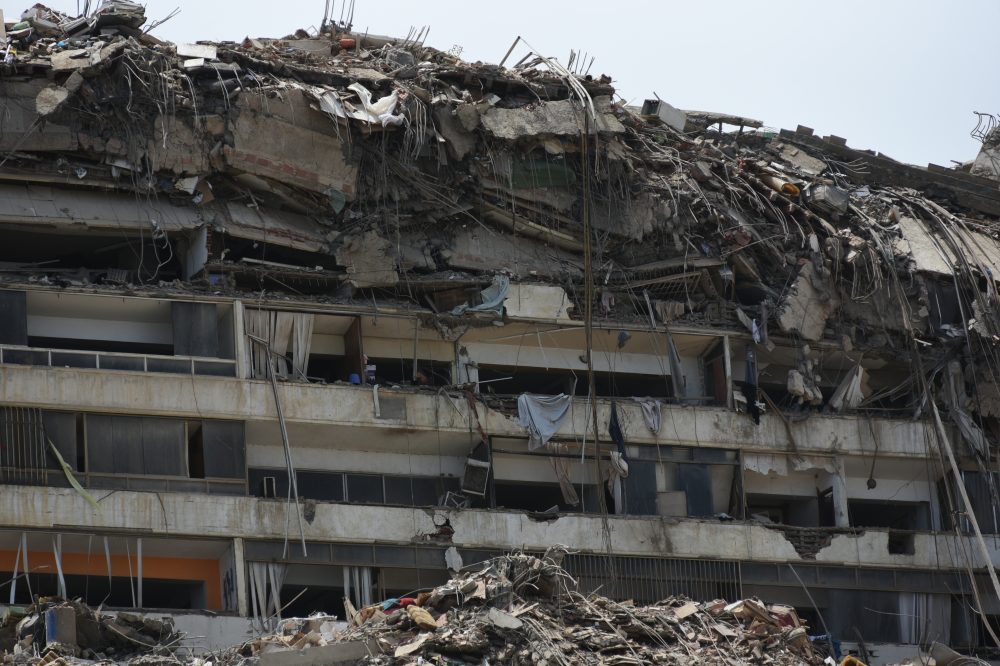 After Venezuela earthquakes, here are some of the deadliest in Latin America in the last century
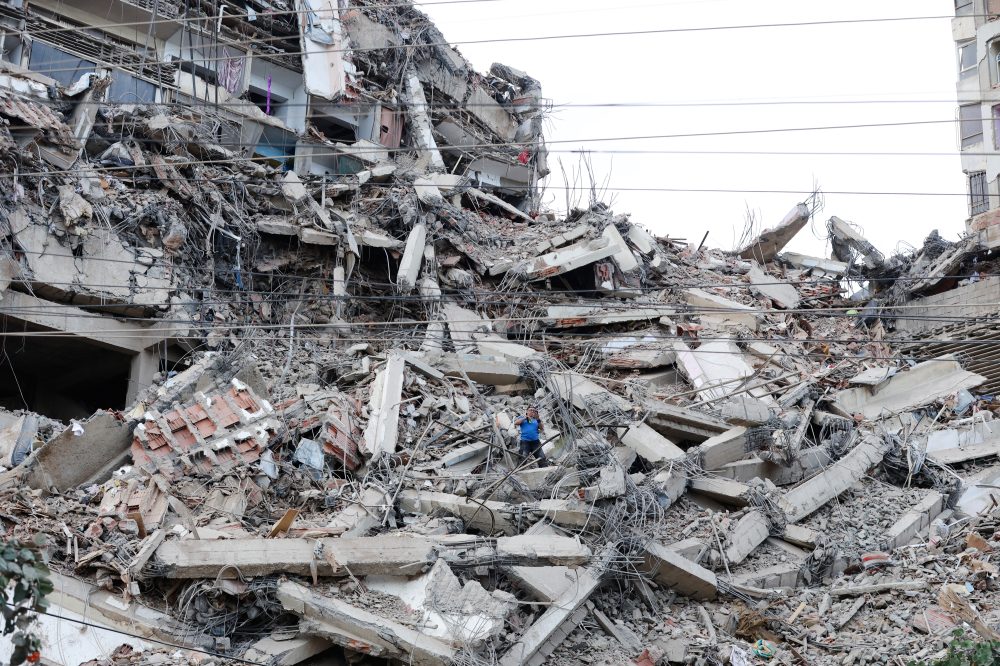 The 2 earthquakes that struck Venezuela are known as a ‘doublet.’ Here’s how they happen
 Carney says Canada should reopen embassies in Iran and earthquake-stricken Venezuela