
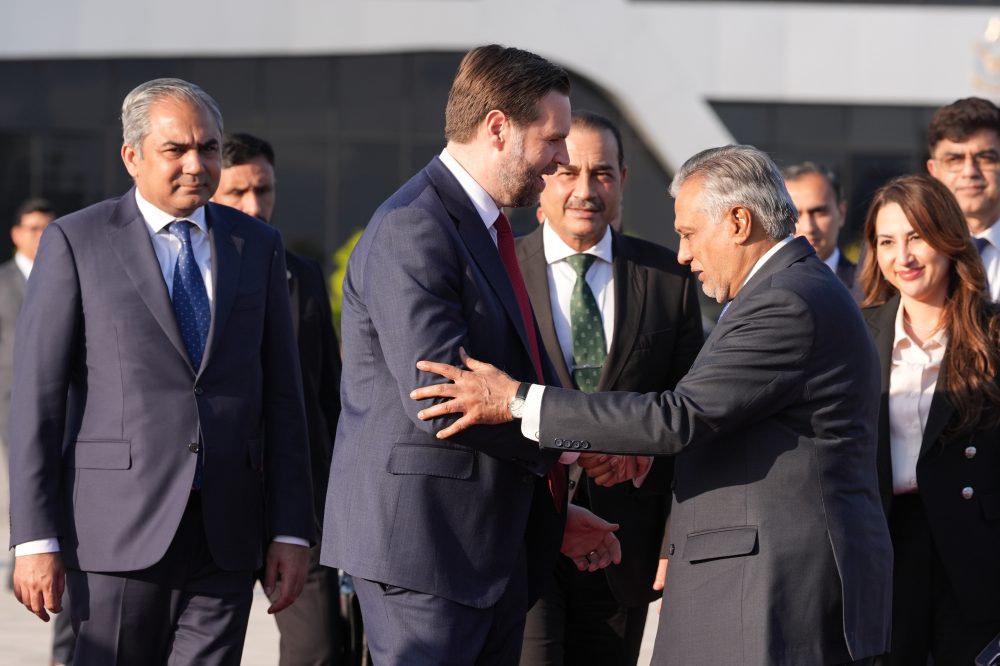
Vice President JD Vance said negotiations between the United States and Iran ended early Sunday without a deal after the Iranians refused to accept U.S. terms to not develop a nuclear weapon.
The high-stakes talks in Pakistan ended after 21 hours, Vance said, with the vice president in constant communication with President Donald Trump and others in the administration.
“But the simple fact is that we need to see an affirmative commitment that they will not seek a nuclear weapon, and they will not seek the tools that would enable them to quickly achieve a nuclear weapon,” Vance told reporters.
The war that has killed thousands of people and shaken global markets entered its seventh week.
The U.S. delegation led by Vance and the Iranian delegation led by parliament Speaker Mohammad Bagher Qalibaf had discussed how to advance a ceasefire already threatened by deep disagreements and Israel’s continued attacks against the Iranian-backed Hezbollah in Lebanon.
Here is the latest:
Iran’s Foreign Ministry said Sunday that negotiations with the U.S. fell apart over a “gap between our opinions over two or three important issues.”
“Ultimately the talks didn’t result in an agreement,” spokesman Esmaeil Baghaei told Iran’s state TV. He did not detail what those issues were.
On some topics, Baghaei said U.S. and Iranian negotiators “actually reached mutual understanding.” The negotiators discussed the Strait of Hormuz, Baghaei said, but did not mention discussion of nuclear weapons.
Pakistan’s Foreign Minister Ishaq Dar called on Iran and the United States to keep their commitment to maintain a ceasefire, after both countries ended historic face-to-face talks without an agreement.
“It is imperative that the parties continue to uphold their commitment to ceasefire,” Dar said.
He added that Pakistan will continue to play is mediating role and will try to keep facilitating the dialogue between Iran and the U.S. in coming days.
Vice President JD Vance boarded his government plane at 7:08 a.m. local time in Islamabad, planning to depart Pakistan after he said that Iran declined to back down on developing a nuclear weapon.
That’s according to a reporter traveling with Vance.
The war with Iran started at the end of February and the extensive talks ended after 21 hours. The U.S. and Iran agreed to a two-week ceasefire on April 7 for negotiations.
Vice President JD Vance said negotiations between the U.S. and the Iranians have ended without a peace deal after the Iranians refused to accept American terms to not develop a nuclear weapon.
The high-states talks ended after 21 hours, Vance said, with the vice president in constant communication with President Donald Trump and others in the administration.
“But the simple fact is that we need to see an affirmative commitment that they will not seek a nuclear weapon, and they will not seek the tools that would enable them to quickly achieve a nuclear weapon,” Vance told reporters. “That is the core goal of the president of the United States. And that’s what we’ve tried to achieve through these negotiations.”
Brought to you by www.srnnews.com
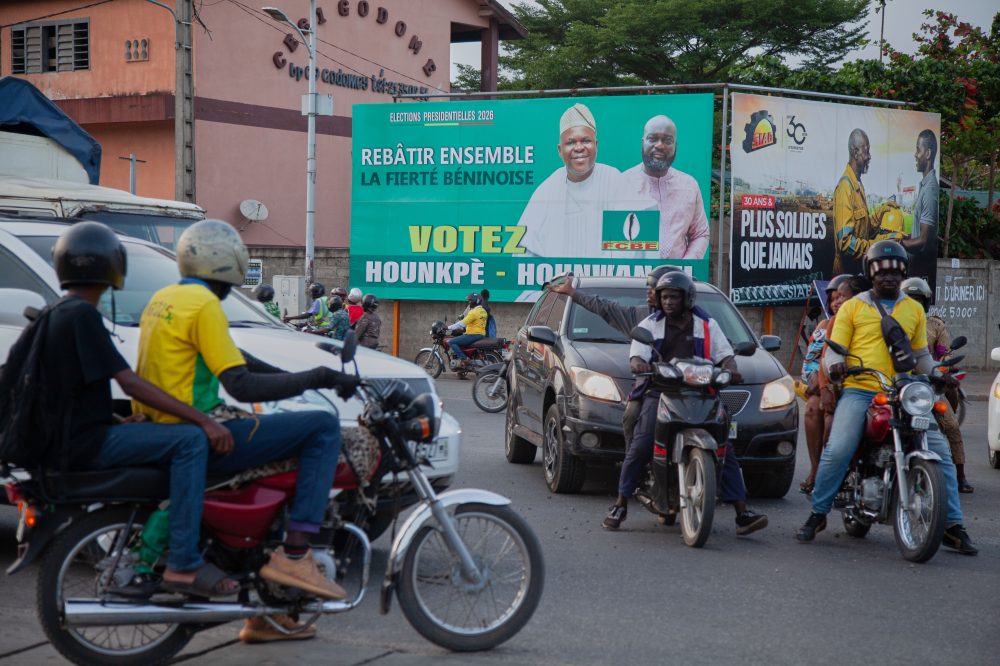 Benin votes for new president with finance minister favored to succeed Talon
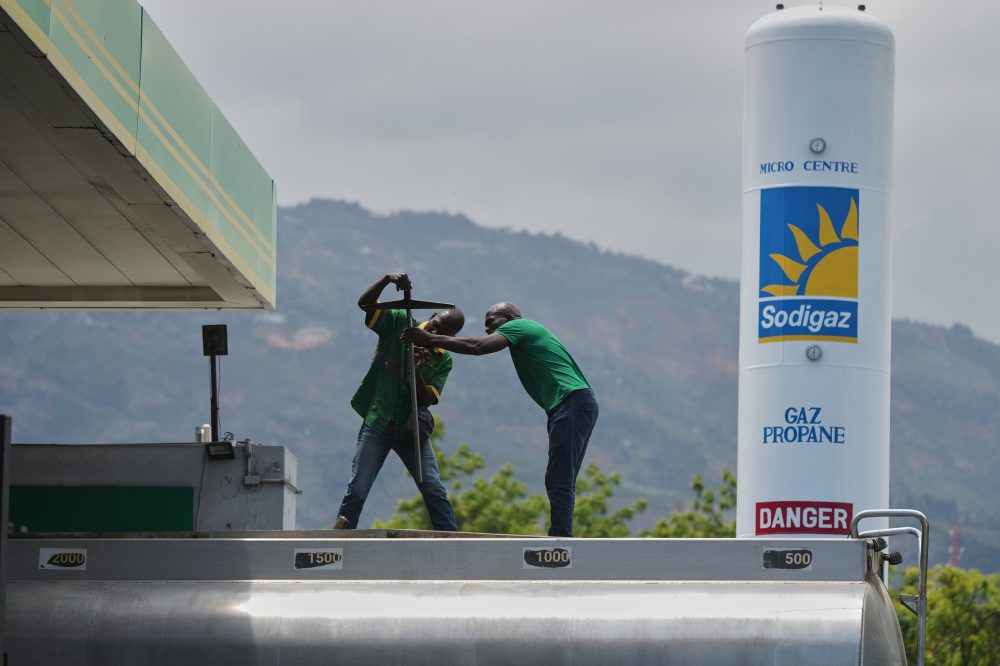 Haitians cut back on already scarce food and ask how they’ll survive rising fuel prices
 Cate Blanchett, Bryan Cranston and Paddington Bear are up for prizes at London’s Olivier Awards
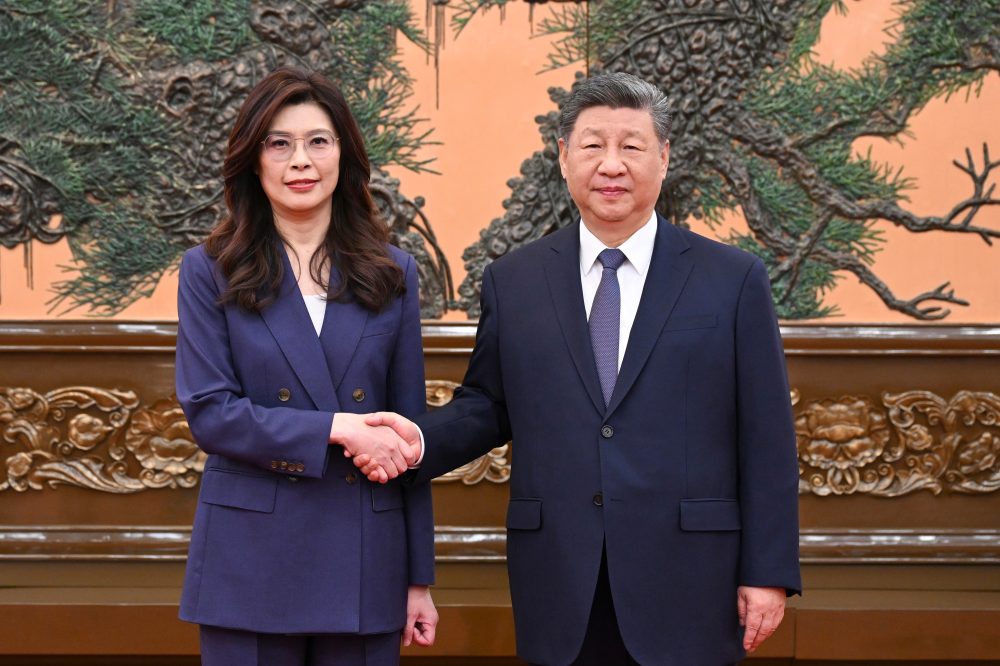 China says it will resume some ties with Taiwan including more direct flights