

Aid Groups Seek Hormuz Humanitarian Corridor as Supply Routes Strain
By The Media Line Staff
Humanitarian organizations are calling for a protected aid corridor through the Strait of Hormuz after the Iran war and related shipping disruption drove up fuel costs, slowed deliveries, and threatened food and medical assistance to vulnerable countries across Africa, the Middle East, and Asia.
Aid groups say the crisis has disrupted supply routes from major logistics hubs in Dubai and India, affecting deliveries to Sudan, Somalia, Ethiopia, Nigeria, and Afghanistan. The Guardian reported that the appeals came from organizations including the International Rescue Committee, Save the Children, and the World Food Programme.
The Strait of Hormuz is one of the world’s most important maritime chokepoints, carrying about one-fifth of global oil and gas flows. Its disruption has pushed energy prices sharply higher, increasing the cost of shipping food, medicine, fuel, and other emergency supplies. Humanitarian agencies say the added expense is stretching already strained budgets, forcing some programs to reduce services, delay deliveries, or redirect funds away from direct aid.
The World Food Programme has warned that supply disruptions and rising prices could worsen global hunger at a time when hundreds of millions of people already face severe food insecurity. Aid groups say children with acute malnutrition, displaced families, and communities dependent on imported grain, fertilizer, and fuel are among those most exposed.
The crisis comes as humanitarian operations are already under pressure from wars in Sudan and Yemen, instability in the Horn of Africa, and funding cuts from major donors. Higher fuel prices also affect clinics, water systems, cold storage for medicine, and transport for relief workers.
European Commission President Ursula von der Leyen warned this week that the wider effects of the Iran war “may echo for months or even years to come.”
Aid officials say a humanitarian corridor through Hormuz would not resolve the wider conflict, but could help keep lifesaving supplies moving while diplomatic efforts continue.
Brought to you by www.srnnews.com
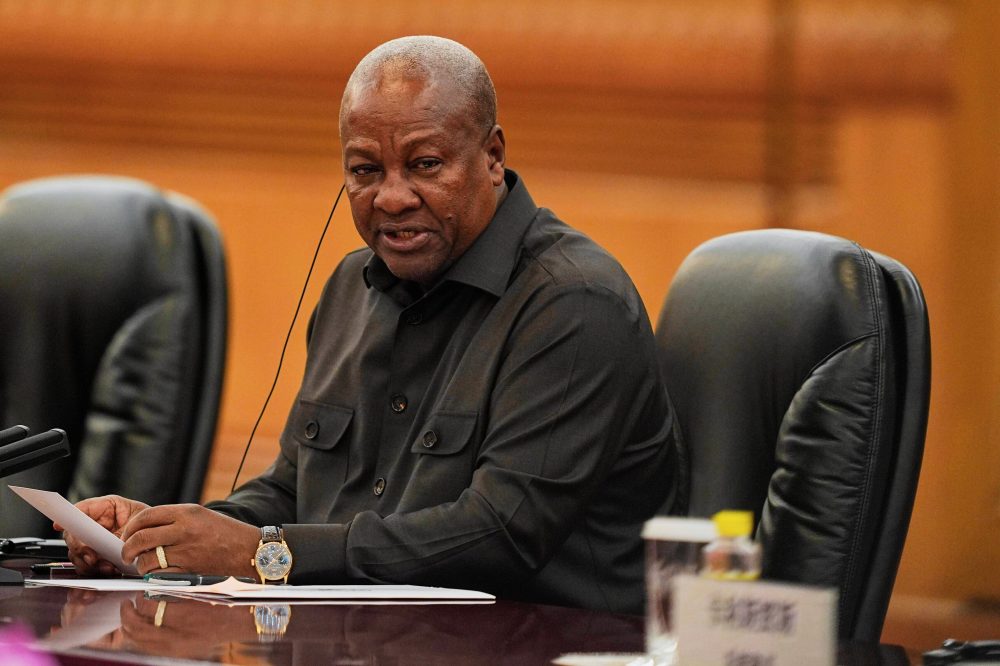 Ghana becomes the latest African country to reject a US health deal, citing data sharing concerns
 US approves military sales of over $8.6 billion to Middle East allies