
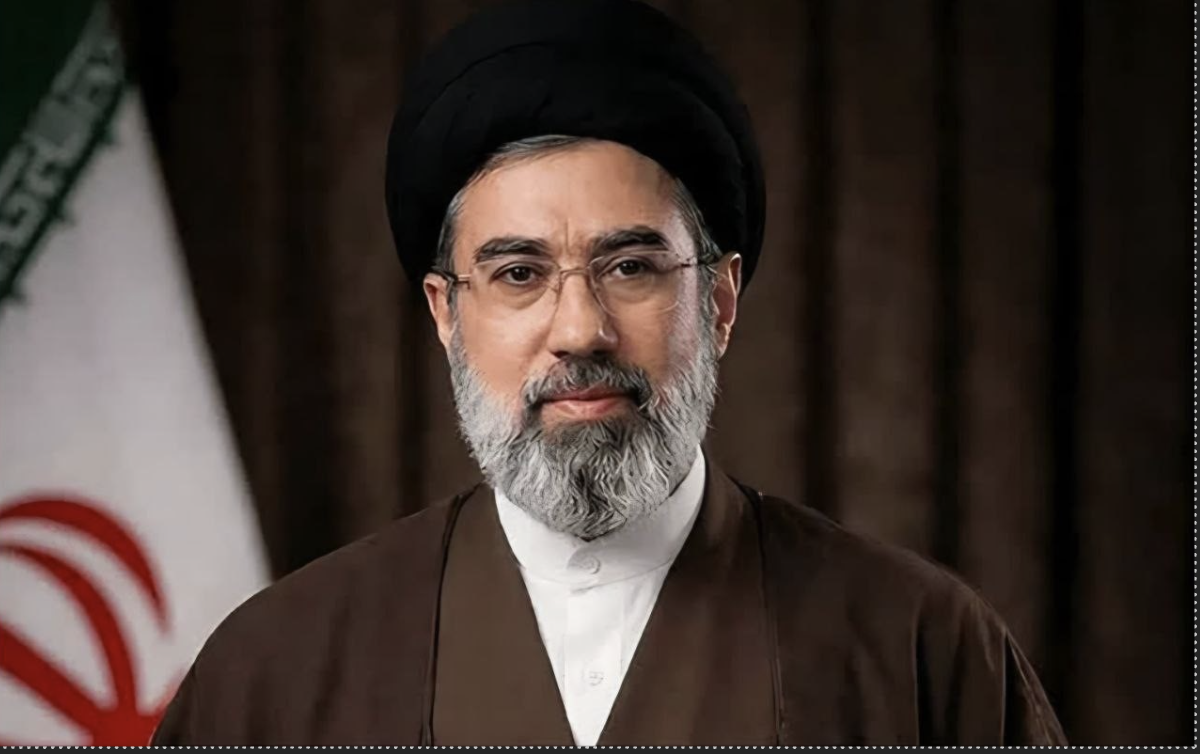
On Thursday afternoon, four days after being selected as the new leader of the Islamic Republic, Mojtaba Khamenei issued his first written statement following a prolonged and conspicuous absence.
The message, which contained several typographical errors when published by state news agencies, was described by a knowledgeable source in Tehran as having been dictated by the Islamic Revolutionary Guard Corps (IRGC) and released under Khamenei’s own authorship.
In his first statement, issued thirteen days after the death of his predecessor, Mojtaba Khamenei threatened to open new fronts of war across the region, with particular emphasis on blocking the Strait of Hormuz. He specifically referenced the Islamic Republic’s proxy forces in Iraq, Yemen, and Lebanon. The new Leader also called for revenge against Israel and the U.S. (enemy) and endorsed the continuation of attacks against neighboring countries hosting American and Israeli “financial and military” bases.
On Saturday, President Masoud Pezeshkian issued a video message apologizing to neighboring countries for missile and drone strikes, attributing the attacks to the deaths of senior military commanders whose forces had acted autonomously. He stated that the interim Leadership Council had approved a halt to the strikes. However, within less than an hour, the IRGC launched an attack on Dubai. Judiciary Chief Gholam-Hossein Mohseni-Eje’i categorically denied the existence of any such resolution, stating that attacks on those countries would continue.
Rumors have circulated that Mojtaba Khamenei’s physical condition is serious, with some accounts indicating he was severely wounded during the Israeli airstrike on the leader’s residence (Beit e-Rahbari) in the opening minutes of the war to the extent that he is unable to walk and, consequently, unable to appear on camera. In his first message, he called on his supporters to “remain present on the scene” and to preserve unity.
He also claimed to have seen the body of Ali Khamenei, a statement that carries significance given that, thirteen days after his death, no funeral or burial ceremony has yet been planned.
This not only reflects the Islamic Republic officials’ fear of attending such a ceremony in public, but also points to the disorder and chaos that have gripped governmental structures over the past two weeks.
Rumors persist that little remained of Khamenei’s body, along with those of the military commanders who were on the first floor of the bunker at the time of the strike. While most members of the Khamenei family, staff of the supreme leader’s office, and security personnel on-site were killed in the Israeli strikes, the survival of Mojtaba Khamenei—who would have been a primary target for both Israel and the United States—remains a subject of considerable speculation.
Unlike his father, Mojtaba Khamenei is an introverted figure whose background is rooted in traditional seminary scholarship. He has limited command of public oratory, executive affairs, or contemporary Persian prose.
His use of the Arabic Hijri lunar calendar, rather than Iran’s official national calendar, the Iranian Solar calendar, highlights his distance from the social realities of modern Iranian society. This stands in stark contrast to his father, who cultivated an image of sophistication, hosted literary gatherings with supporters, and consistently used the solar calendar in all official communications.
Mojtaba Khamenei has never delivered a public speech. The only video message attributed to him dates from last year, in which he announced, in the tone of a traditional cleric, the suspension of his seminary classes until further notice. Furthermore, despite having once wielded considerable influence within his father’s office on political and security matters, he has been notably absent from such affairs over the past year.
The new Leader’s virtual office has called on supporters to follow his accounts on Instagram, X, and Telegram, platforms that remain officially banned inside Iran. In recent days, social media users have mocked the new leader through AI-generated content, while media outlets affiliated with the IRGC have used the same tools to produce images of him alongside Ali Khamenei, given the scarcity of photographs of him in recent years, and to digitally enhance his appearance.
A well-informed source in Tehran told TML that, after the message was released, it was drafted by the IRGC and later rewritten in Mojtaba Khamenei’s style. Many senior officials have not seen him in person, and it is reported that he is being treated and kept in an underground safe place outside Tehran. This comes as the IRGC-affiliated Fars News Agency reported that the new “supreme leader” had become a janbaaz , a term used specifically to denote a person who has suffered severe physical injury, such as the loss of a limb.
In the early hours of Monday, immediately following the announcement of Mojtaba Khamenei’s appointment, residents in various parts of the capital took to their rooftops, chanting “Death to Mojtaba.”
An eyewitness told TML that in recent days the Basij and IRGC have dramatically intensified their use of live fire, with at least several people killed in Tehran. Those killed include civilians who had taken to the streets in celebration of Ali Khamenei’s death, dancing and rejoicing, and were fired upon by security forces deployed in the streets with heavy infantry weapons and semi-heavy military equipment.
PHOTO- State media in Iran published a written message from the new leader on Thursday evening after nearly two weeks without any message or sign of him. These outlets also appear to have used image-enhancement tools to make Mojtaba Khamenei’s face look more polished. (IRNA)
Brought to you by www.srnnews.com
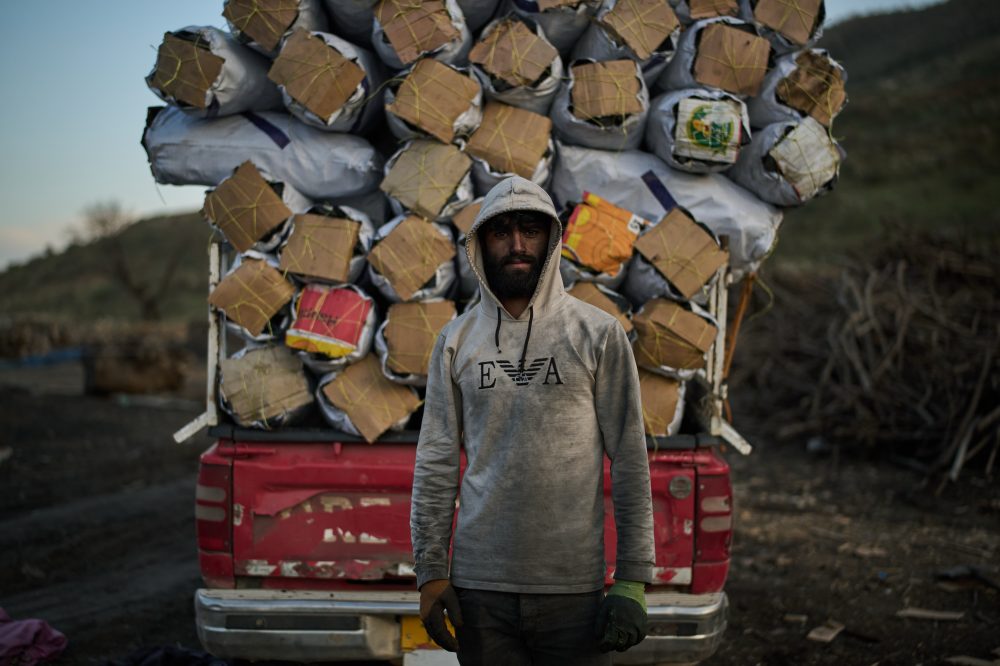 Photos: Charcoal workers in a quiet Kurdish village carry on as war unfolds
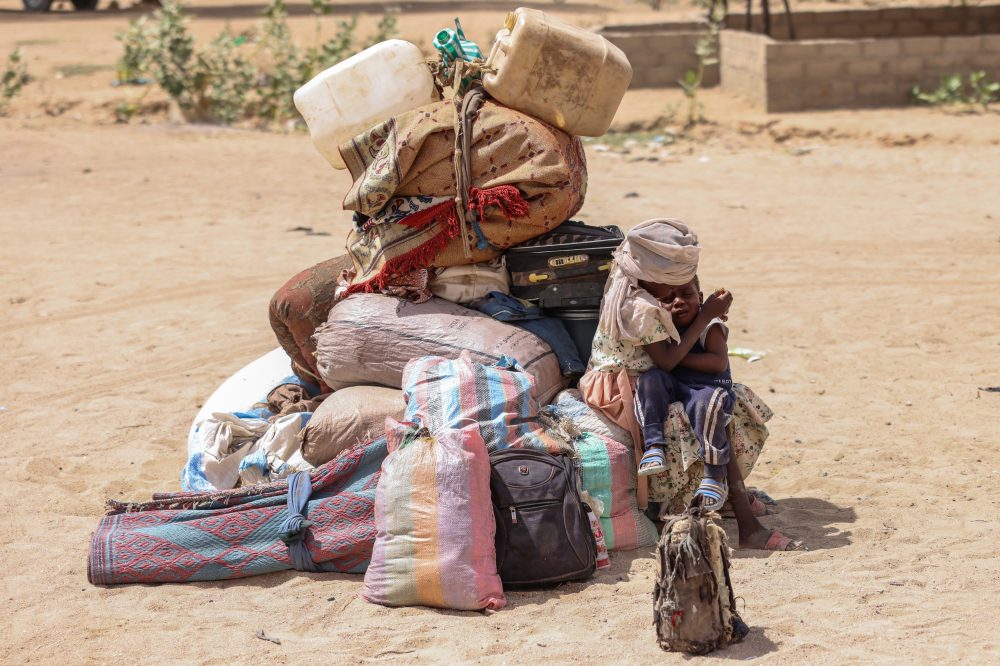 Drone strike in Sudan near the border with Chad kills 4, injures many more
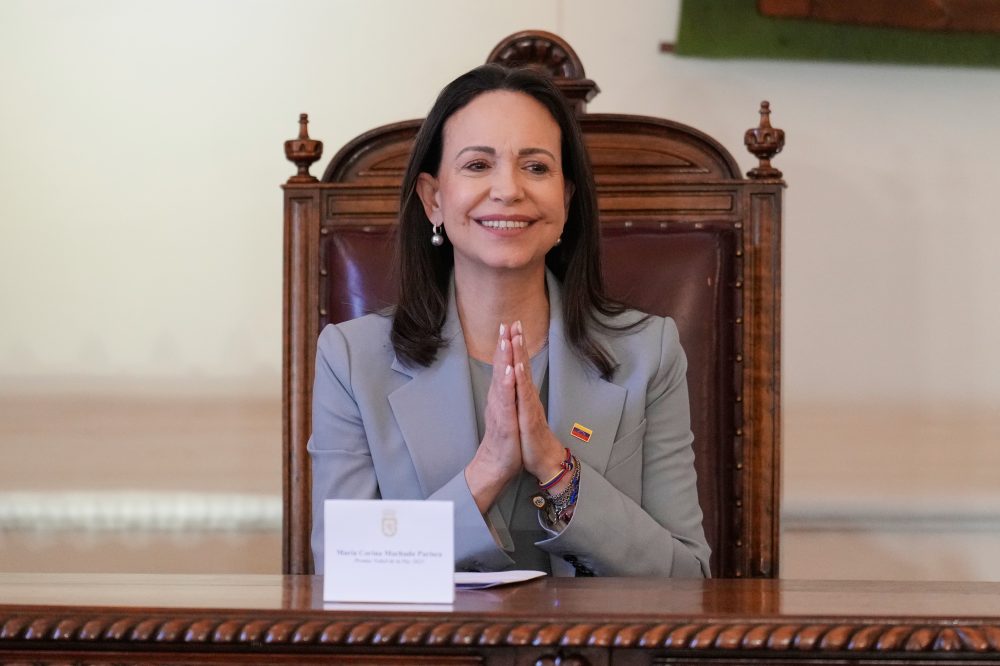 Venezuela’s Machado calls Trump a ‘fundamental ally’ despite US support for Delcy Rodríguez
 US defends Israel against South Africa’s allegation of genocide filed to top UN court