

‘Hezbollah Was Meant To Help Iran, Not the Opposite,’ Haifa University Professor Tells TML
Iran expert Dr. Menahem Merhavy explains that Iran has created a “ring of fire” of terrorist proxies surrounding Israel that is “currently stuttering, but Iran won’t give up the idea and will not abandon Hezbollah”
By Keren Setton / The Media Line
Iran’s proxy and Israel’s foe is at the center of the conflict roiling the Middle East and threatening to boil over any minute.
On Tuesday, tensions were running high after a day of battle between Israel and Iran ended through American coercion, hoisting the Lebanese-based Hezbollah terrorist organization as a major regional player.
US President Donald Trump was quick to pressure Israel and Iran to stop attacking each other. Media reports said a tense conversation between President Trump and Israeli Prime Minister Benjamin Netanyahu also included a threat by the American leader not to help Israel in case it continued to strike the Islamic Republic.
“The Trump administration has created a totally new and very bad reality,” Amatzia Baram, a professor emeritus at the University of Haifa and an expert in Middle Eastern politics, told The Media Line. “To appease Iran, they are willing to limit Israel in Lebanon. Washington wants this even more than the Lebanese government itself. This is a grave mistake.”
Israeli strikes against Hezbollah over the weekend triggered retaliation from its sponsor, Iran, cementing a new equation. For decades, Israel defined Hezbollah as its most formidable enemy. Israel then thought it had nearly defeated Hezbollah at the end of 2024, only to be stuck with it as Iran uses the group as a deterrent, not by its force but by threatening to attack Israel if it attacks its most-prized proxy.
The few hours in which Israel and Iran traded blows on Monday ended with an Iranian warning that it will strike harder if Israel resumes its attacks in Lebanon.
Hezbollah began firing at Israel two days after the joint American-Israeli attack against Iran began in March, ending in a ceasefire a month later. Since then, Israel has continued to attack Hezbollah targets in southern Lebanon, further cementing its presence in the area, which Hezbollah claims is a violation of an original ceasefire reached in November 2024.
Hezbollah has responded by continuing rocket and drone fire into northern Israel. Both sides are essentially violating the ceasefire while trying to control the levels of violence and limiting the scope of the attacks to northern Israel and southern Lebanon, leaving the Hezbollah stronghold of the Dahieh neighborhood in Beirut off limits for Israel.
For less than 24 hours, the ceasefire spiraled out of control when Israel struck Hezbollah terrorists in the Dahieh, deep within Lebanon. Iran threatened to retaliate for such an attack and did so.
In Israel, there were no casualties from the Iranian missile barrage. Reports from Iran also did not indicate casualties.
“The Iranian attack appears to be an attempt to save face and not an effort to exact a price on Israel,” Dr. Menahem Merhavy, a research fellow and expert on Iran at the Harry S. Truman Institute for the Advancement of Peace at the Hebrew University of Jerusalem, told The Media Line. “The attack extracted Iran from a trap.”
“Iran has been unsuccessful in leveraging what it believes was victory over the US and Israel,” Merhavy continued. “Iran is on the verge of catastrophe, and losing Hezbollah is a major source of stress for it.”
Iran has been pulling the strings behind the scenes in the Middle East through several terrorist organizations it has backed, supported, and trained for years, creating a “ring of fire” surrounding Israel.
“The ‘ring of fire’ is currently stuttering,” said Merhavy. “But Iran won’t give up the idea and will not abandon Hezbollah.”
“Hezbollah has been weakened to about half of its previous abilities,” Baram said. “But still, they have significant ability to fight. Hezbollah is busy rebuilding itself, and despite Iran being in a difficult position, it is still helping Hezbollah—financially, militarily, and strategically by positioning itself as its defender and savior.”
“Hezbollah was meant to help Iran, not the opposite,” Baram continued. “The US bears responsibility for this.”
The war of October 2023 began with a surprise attack by the Gaza-based Hamas organization against Israel and quickly evolved into a regional conflict involving all of Iran’s proxies. Israel’s response has systemically degraded that web, leaving Iran weakened even before its first direct confrontation with Israel in April 2024.
“Iran’s latest attack and its quick signal that it finished retaliating, signals its unwillingness to enter another prolonged conflict because they cannot afford it,” said Merhavy.
Speaking on Monday after both Iran and Israel held their fire, Netanyahu said “our struggle with them has not ended yet,” referring to both Iran and Hezbollah.
“They are weaker than ever,” he added in an attempt to convince the public that Israel had the upper hand.
“Israel didn’t attack Hezbollah between 2006 to 2023 for one reason—it was afraid that the massive missile and rocket arsenal would cause major damage to Israel,” Baram said. “Now, Israel isn’t afraid of attacking Hezbollah because of its potential to cause damage, but rather Israel is concerned that Iran will get involved and the US will not support Israel if it chooses to respond to this.”
On Tuesday, the Israeli military was believed to be behind a strike against Hezbollah targets in southern Lebanon. The Israel Defense Forces (IDF) did not confirm.
Netanyahu has repeatedly vowed to destroy Hezbollah, after the group joined Gaza-based Hamas’ war against Israel in October 2023. Despite several wars and repeated rounds of fighting, Israel has not been able to conclusively end Hezbollah’s threat. Its fire is aimed mostly at northern Israel, severely disrupting life there and creating a major source of frustration.
“Attacks against Hezbollah targets in southern Lebanon are small, tactical, and have little significance to Hezbollah’s standing in Lebanon,” said Baram. “Attacks against command headquarters, weapons depots, and assembly factories in Beirut and north of Beirut are at an almost strategic level that can weaken Hezbollah, and that needs to be Israel’s target for the future.”
According to Merhavy, the new equation could be very temporary. But in the meantime, Hezbollah is significantly exposed to Israeli attacks.
“Hezbollah can be pounded all over Lebanon, but Beirut and Iran can do absolutely nothing about it,” he said. “Israel has been able to act freely in Lebanon for months.”
Beyond its military capabilities, Hezbollah has built a vast financial and social network that is deeply embedded in Lebanese society, mainly within the country’s Shiite community. Through charities, schools, healthcare services, reconstruction projects, and direct financial assistance, the group has created a parallel support system that many Lebanese families depend on, especially in areas where the state has struggled to provide basic services. This deeply rooted social and economic role has made it difficult for both the Lebanese government and Israel to significantly weaken Hezbollah’s influence.
“There is a lot of frustration with both Hezbollah and Iran amongst the Shiite community in Lebanon,” Merhavy said. “Iran has yet to provide funds to rebuild homes that were destroyed by the Israeli military in the past two years. Hezbollah terrorists are also unable to move freely in Lebanon for constant fear of being targeted by Israel.”
The situation is complicated by the divergence of interests between Israel and the US.
Netanyahu has been under major pressure from US President Donald Trump to curb attacks against Hezbollah, fearing they would derail the talks to reach a permanent deal between the US and the Iranian regime. Israel has also been in direct negotiations with the Lebanese government for several weeks. Mediated by the US, there is a hope that the government in Beirut will be able to force Hezbollah to withdraw from southern Lebanon, thus removing a major direct threat against Israel. Tehran has reportedly threatened the Lebanese government for negotiating with Israel.
“It should be an American interest that Israel weakens Hezbollah,” said Baram. “Israel has no choice but to continue to engage in dialogue with the US. But because it is now extremely limited in conducting military strikes against Hezbollah, Israel must work with the US to target Hezbollah’s financial network and also cooperate with Syria against Hezbollah.”
In late 2024, the collapse of the Assad regime in Syria dealt a major blow to Hezbollah’s regional position by disrupting key supply routes used to transfer Iranian weapons through Syria into Lebanon. Israel has sought to capitalize on the changing reality in Syria, striking at targets in the country and limiting Hezbollah’s ability to rebuild its military capabilities along Israel’s northern border.
The new equation has enabled all sides to claim victory while imposing new limitations. Israel can strike Hezbollah at risk of confrontation with Iran and friction with Washington. Iran can threaten escalation, but appears reluctant to enter another wider direct conflict. Hezbollah, once the centerpiece of Tehran’s regional deterrence strategy, is increasingly busy preserving its own survival.
The stakes are high. Whether this new equation holds or collapses in another round of fighting, the outcome will be decisive for the balance of power across the Middle East.
Brought to you by www.srnnews.com
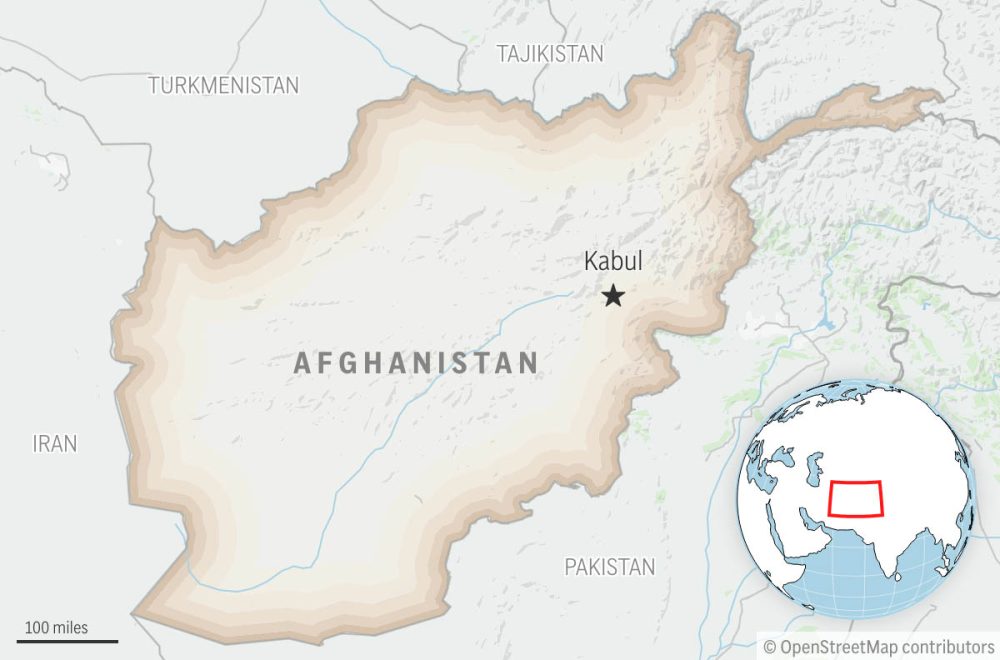 Pakistani airstrikes in Afghanistan kill at least 13 people, official says
 Philippines urges China to remove new structure on disputed shoal in South China Sea
 Alleged Bondi Beach gunman charged with 19 more offences over mass shooting