
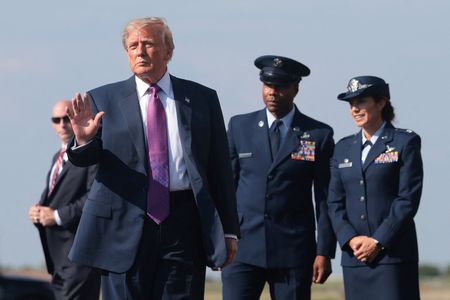
WASHINGTON- Six months into the U.S.–Israel conflict with Iran, President Donald Trump enters a pivotal moment in a war he has argued is essential for American security and Middle East stability. While critics in the media highlight the duration of the conflict, the administration maintains that decisive pressure on Iran is yielding results and weakening a long‑time adversary.
Trump’s Strategy Shifts to Economic Power
After months of coordinated military action with Israel, the administration is preparing to lean more heavily on economic tools — a move conservatives often support as a way to avoid prolonged foreign entanglements. Officials say the next phase will focus on enforcing tough sanctions and penalizing countries or companies that continue doing business with Tehran.
The White House argues that Iran’s leadership is already feeling the strain. According to Trump, Iran’s government is struggling to pay its troops and maintain basic military capacity — evidence, he says, that the pressure campaign is working.
Concerns About Military Readiness
The administration acknowledges that extended operations have affected U.S. munitions stockpiles, prompting a strategic pivot. Supporters of the president say this demonstrates responsible leadership: recognizing logistical realities and adjusting tactics rather than committing the country to an open‑ended conflict.
A Day in Texas
The president is spending Friday in Houston, recognizing the Artemis II NASA crew for their successful mission around the moon — a reminder, supporters say, of Trump’s commitment to American leadership in space and science even amid global conflict.
Brought to you by www.srnnews.com
 UN agency warns of 17,000 children in urgent need of assistance as aid reaches some Nepal survivors
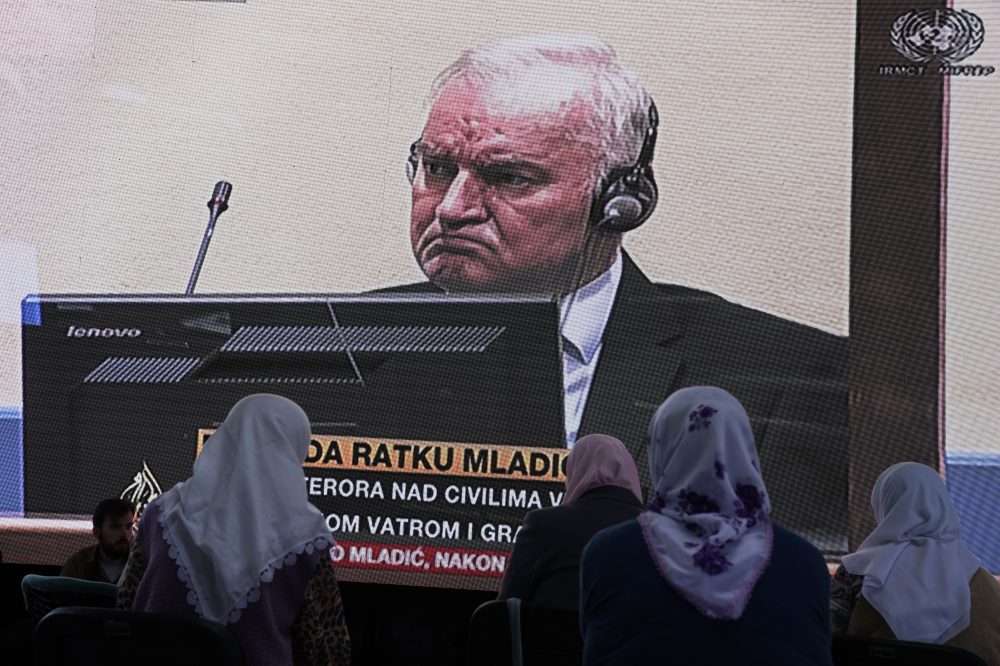 Serbia’s president criticizes UN court for not releasing war criminal Mladic to die at home
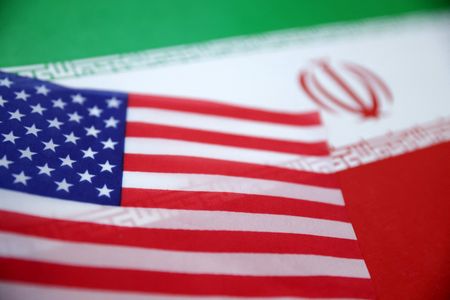 US hits Egyptian bank branches with Iran sanctions as war marks six months
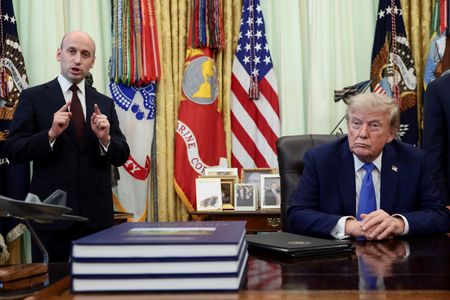 US judge won’t immediately block Trump’s newest order limiting birthright citizenship