
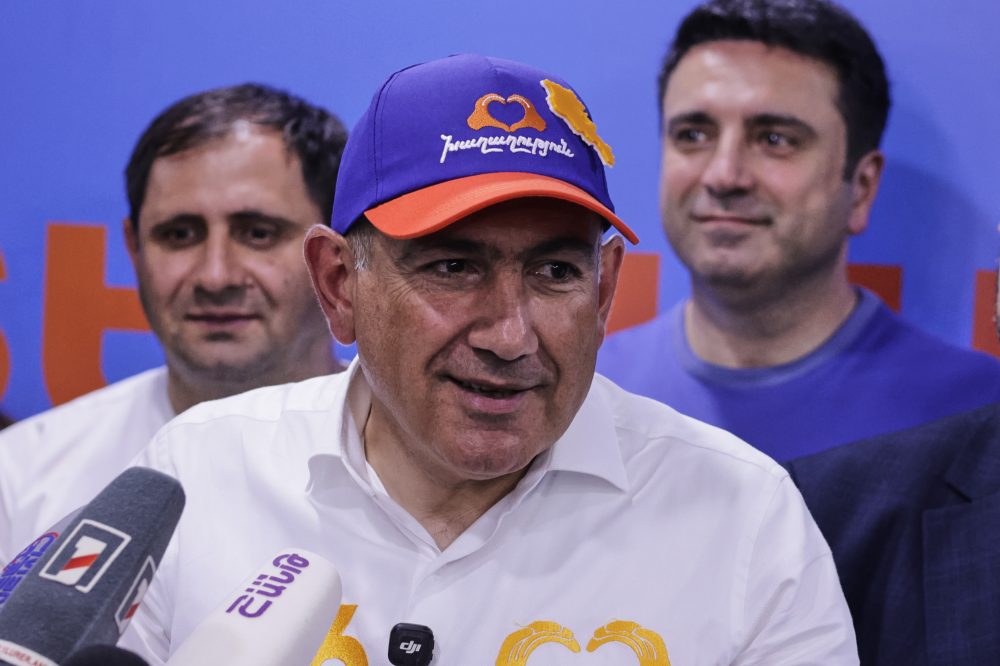
YEREVAN, Armenia (AP) — European Commission President Ursula von der Leyen visited Armenia on Thursday, promising to provide a 18-million euro ($20.5-million) aid package and the elimination of import duties on most Armenian farm products to support the South Caucasus nation’s push for closer ties with the European Union and pivot away from longtime ally Moscow.
Last month, the party of Armenia’s Prime Minister Nikol Pashinyan extended its hold on power in a parliamentary election that was widely seen as a vote on its geopolitical future. Weeks before the vote, Moscow introduced a slew of trade sanctions, imposing import bans on Armenian flowers, brandy, wine, fruits and more.
Von der Leyen said “Armenia is still facing significant economic pressure from Russia,” describing it as “nothing short of economic coercion.”
“But rest assured: when pressure mounts on our partners, the EU steps up,” she added.
Von der Leyen said that Armenia will soon receive an additional 18-million euro to help strengthen and diversify its trade, the final installment of the 52-million euro ($59.4-million) support package the EU pledged in early June.
On top of that, she announced that the EU will offer tariff-free access to almost 80% of the Armenian exports to the bloc, saying the move would help “re-route products that currently still rely heavily on the Russian market.”
Pashinyan thanked the EU for its support and noted the need to quickly resolve technical issues to open the EU doors for Armenian farm products as the country entered the harvesting season.
Russia, which has a military base in Armenia, has warned that Yerevan’s Western shift could have severe political and economic consequences. President Vladimir Putin has compared Armenia’s course to that of Ukraine in what observers have described as thinly veiled threats and suggested that Russia’s war with Ukraine was rooted in its bid to sign an association deal with the EU.
Relations between Moscow and Armenia soured as Azerbaijan retook control of the Karabakh region. The mountainous area had been controlled for decades by ethnic Armenian forces backed by Armenia, part of a long conflict between the neighboring countries.
Armenia accused Russian peacekeepers deployed to the region of failing to stop Azerbaijan’s onslaught. Moscow, busy with the war in Ukraine, has rejected the accusations.
In August 2025, U.S. President Donald Trump hosted Pashinyan and Azerbaijan’s President Ilham Aliyev to sign a deal aimed at ending their decades-long conflict and including provisions for the creation of a new transit corridor from Azerbaijan to its exclave of Nakhchivan.
Von der Leyen traveled to Armenia a day after her trip to Azerbaijan, where she announced a new 200-million euro ($228.6-million) Global Gateway package. She said that with its financial partners, the EU aims to mobilize up to 2 billion euros ($2.3 billion) for strategic transport, energy, and digital projects all across the South Caucasus.
Brought to you by www.srnnews.com
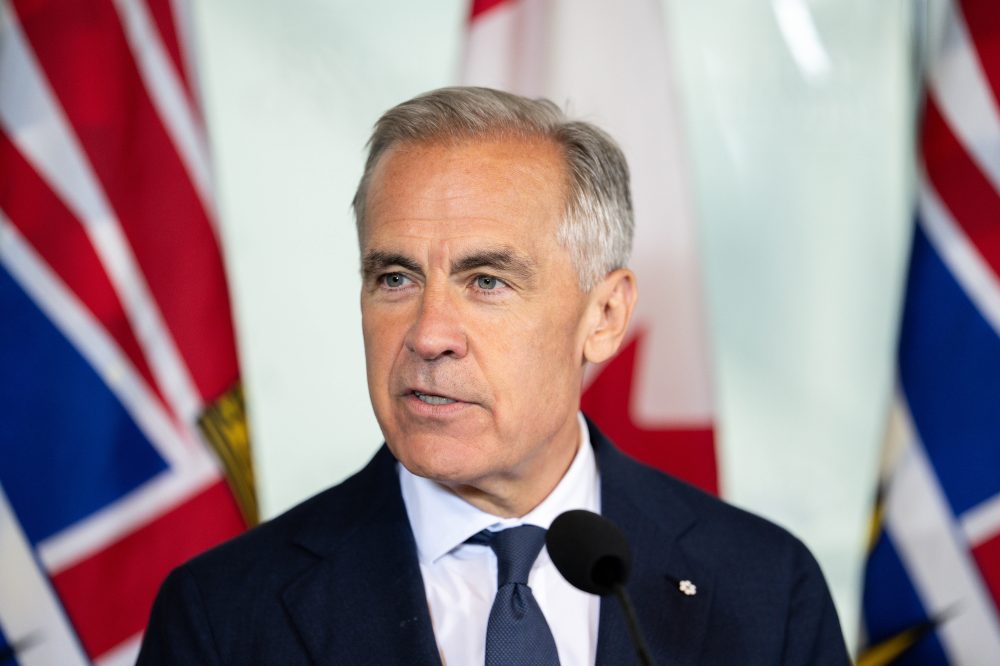 Carney says northern British Columbia tanker ban will stay as Canada pursues Alberta pipeline
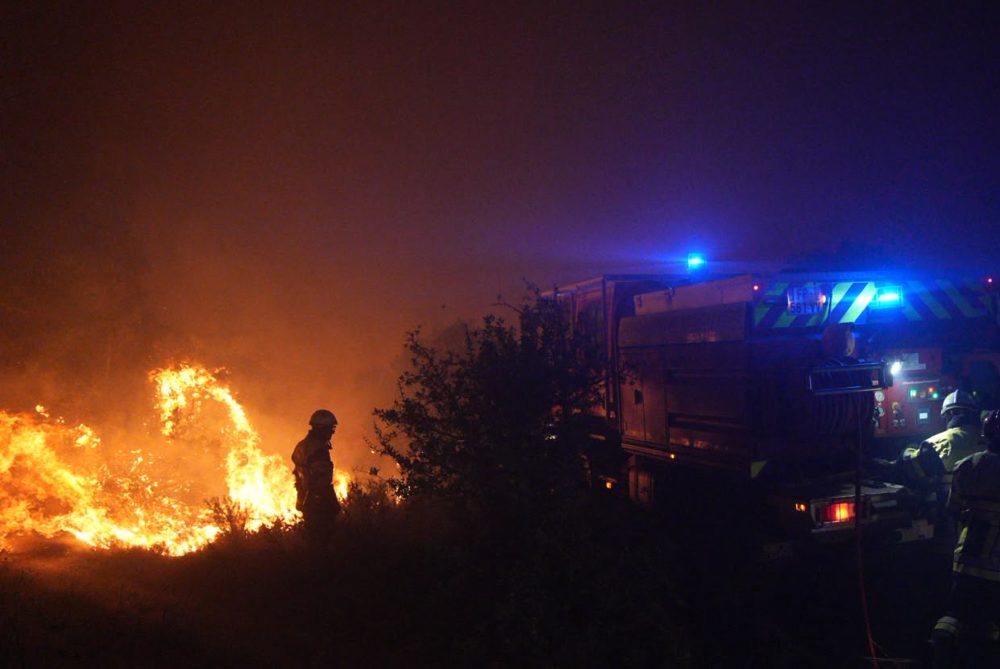 Wildfires scorch southern France as heat and drought fuel blazes
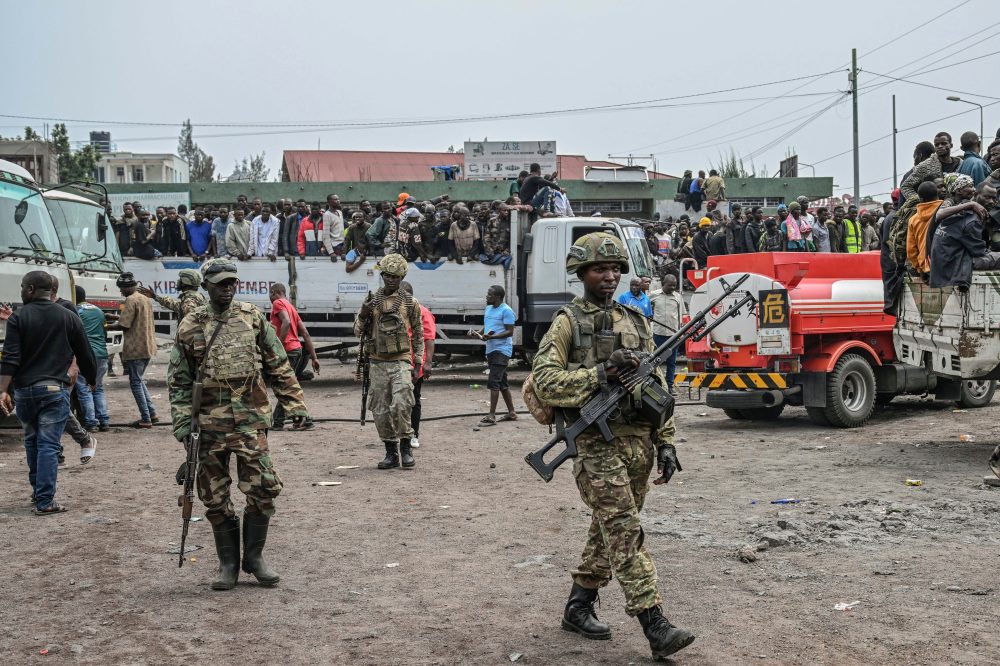 UN experts report widespread peace deal violations in eastern Congo
 Somalia peacekeeping mission at risk as US blocks UN support, sources say