
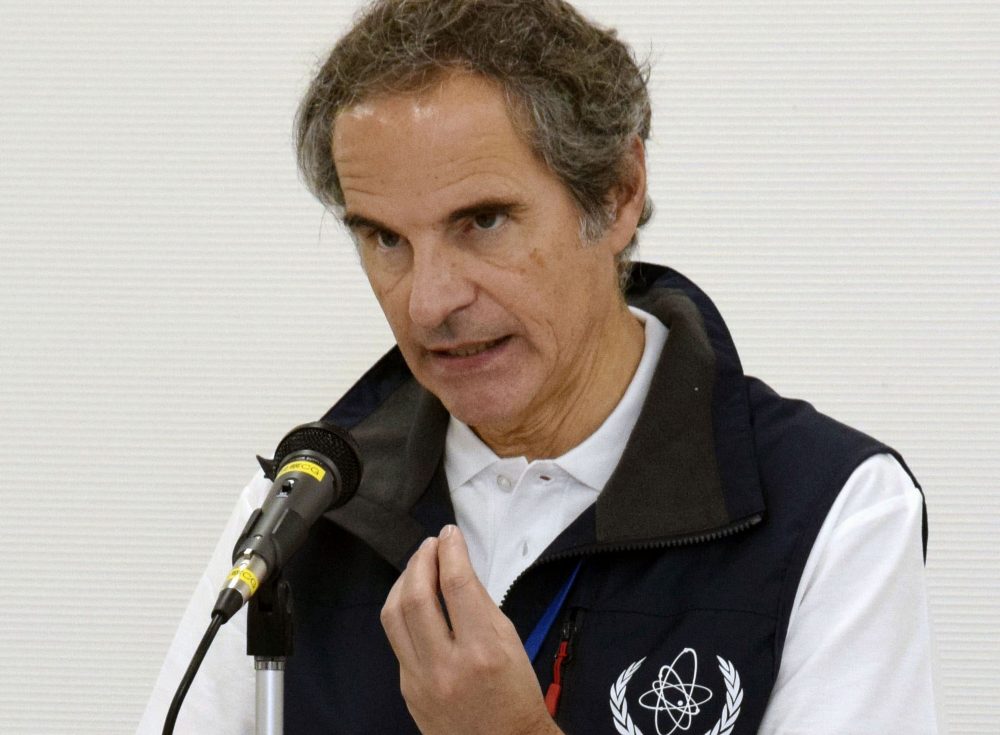
TOKYO (AP) — The head of the U.N.’s nuclear agency signaled Wednesday that Iranian nuclear enrichment sites would be visited by his inspectors, a key component in the interim deal between the United States and Iran to reach an end to the war.
The comment by International Atomic Energy Agency head Rafael Mariano Grossi was the firmest yet from the United Nations agency, which is viewed as key in determining the status of Iran’s nuclear stockpile.
Since Israel launched a 12-day war on Iran in 2025, the IAEA has been blocked by Tehran from visiting enrichment sites where the Islamic Republic is believed to store enough highly enriched uranium to potentially build as many as 10 nuclear weapons, should it choose to rush for the bomb. Iran long has maintained that its program is peaceful, though it is the only country in the world to have uranium enriched up to 60% purity without a weapons program.
The U.S. and Iran offered contradictory remarks Tuesday about whether those sites would be inspected.
Grossi’s remarks came as U.S. Secretary of State Marco Rubio arrived in the Persian Gulf for a three-nation tour, beginning with a closed-door meeting and private working lunch in Abu Dhabi with Emirati President Mohamed bin Zayed Al Nahyan, the State Department said Wednesday.
Rubio is scheduled to travel next to Kuwait and then Bahrain for meetings with their leaders later Wednesday and Thursday.
“I can understand political statements, they are part of the reality, but the fundamental thing I would like to remind you and draw your attention to is that there has been a Memorandum of Understanding, signed by both presidents,” Grossi told journalists at a news conference at the tsunami-hit Fukushima Daiichi nuclear power plant.
The accord “says explicitly that the nuclear activities that are going to be carried out with the regards to the nuclear material facilities will be supervised by the IAEA — in all letters,” he said.
Grossi added: “Obviously, to do that, we will have to inspect. Whether this happens the day after tomorrow or in one week or in 10 days, it’s important, but not essential. This is going to happen.”
Those inspections are key for the deal, which calls for Iran’s stockpile of uranium to be “downblended” from highly enriched levels.
There was no immediate reaction from Iran. On Tuesday, Iran’s Foreign Ministry spokesperson Esmail Baghaei told reporters in Tehran that U.N. inspectors were not scheduled to examine nuclear sites bombed by the U.S. last year, rejecting comments made a day before by U.S. Vice President JD Vance.
The IAEA has been allowed to visit other nuclear sites in Iran since the 12-day war in 2025, such as the Bushehr nuclear power plant. But without accessing the enrichment sites, the IAEA says it is unable to verify the status of Iran’s stockpile or check the cascades of centrifuges used to enrich uranium. Both Iran and the IAEA say Tehran hasn’t been enriching uranium, but nonproliferation experts worry that the Islamic Republic may be moving its stockpile to undeclared areas.
The U.S. and Iran agreed to a deal last week that calls for Tehran to dilute its stockpile of enriched uranium and waives U.S.-backed sanctions on Iranian oil, while giving each side 60 days to hammer out broader agreements.
But the uneasy ceasefire already has been tested by Iran saying it closed the strait again over fighting between Israel and the Iranian-backed militia Hezbollah in Lebanon. Violence again broke out in Lebanon on Tuesday, but it did not escalate.
___
Gambrell reported from Dubai, United Arab Emirates. Matthew Lee contributed from Abu Dhabi, United Arab Emirates.
Brought to you by www.srnnews.com
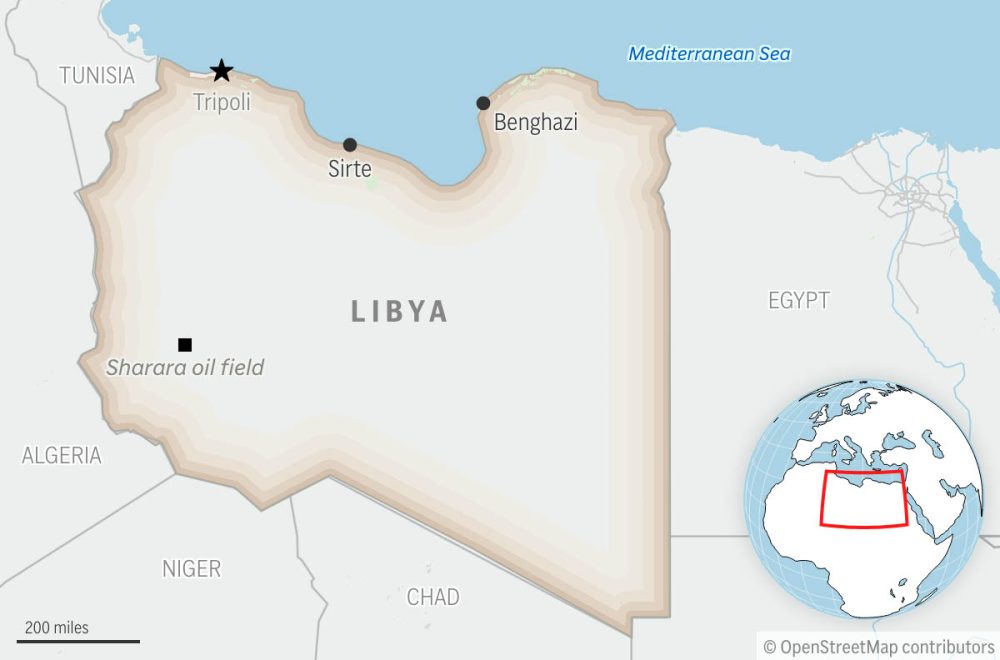 Libya’s eastern government bans entry for citizens of Sudan, Eritrea, Ethiopia and Somalia
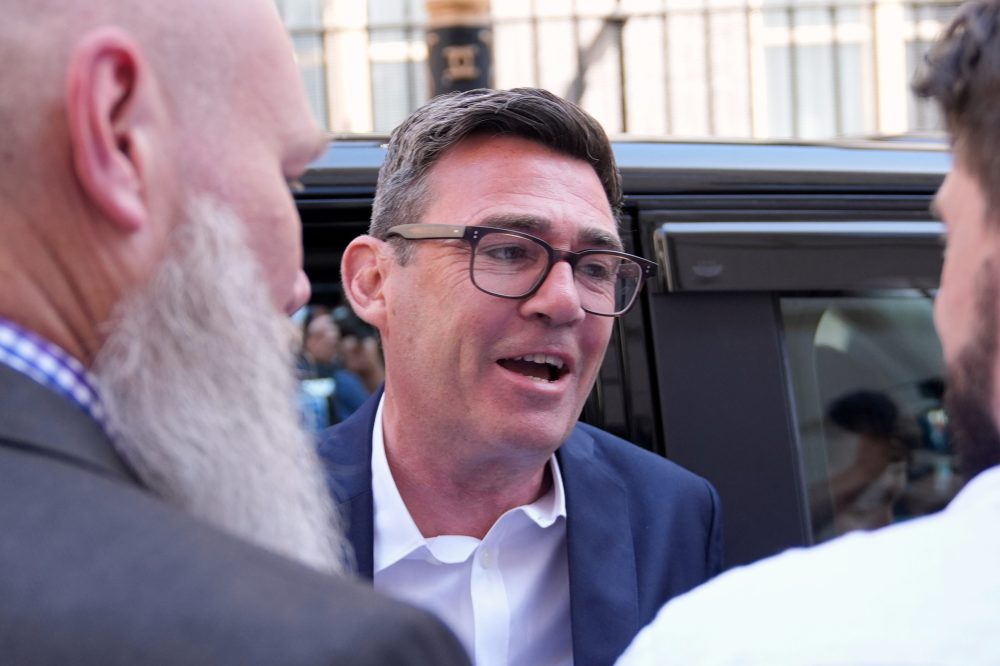 Andy Burnham inches closer to power in Britain as Keir Starmer seeks a legacy
 Photos show Philippine Catholics smearing mud on their bodies for festival honoring John the Baptist
 Philippine devotees honor St. John the Baptist with a mud-covered display of faith